
For many long-time iPhone 6 owners, the idea of upgrading feels both exciting and unnecessary. After all, the iPhone 6 was a landmark device—sleek, reliable, and beloved by millions. But as newer models like the iPhone XS entered the market, the question became unavoidable: Is upgrading from the iPhone 6 to the iPhone XS actually worth it? More importantly, what do people *really* notice when they make the switch?
The answer isn’t just about specs on paper. It’s about how the phone feels in your hand, how quickly apps respond, how much longer the battery lasts, and whether that new camera makes a tangible difference in everyday life. Based on user experiences, technical analysis, and real-world usage patterns, here’s a deep dive into what changes—and what stays the same—when you move from the iPhone 6 to the iPhone XS.
Performance Leap: From Frustration to Fluidity
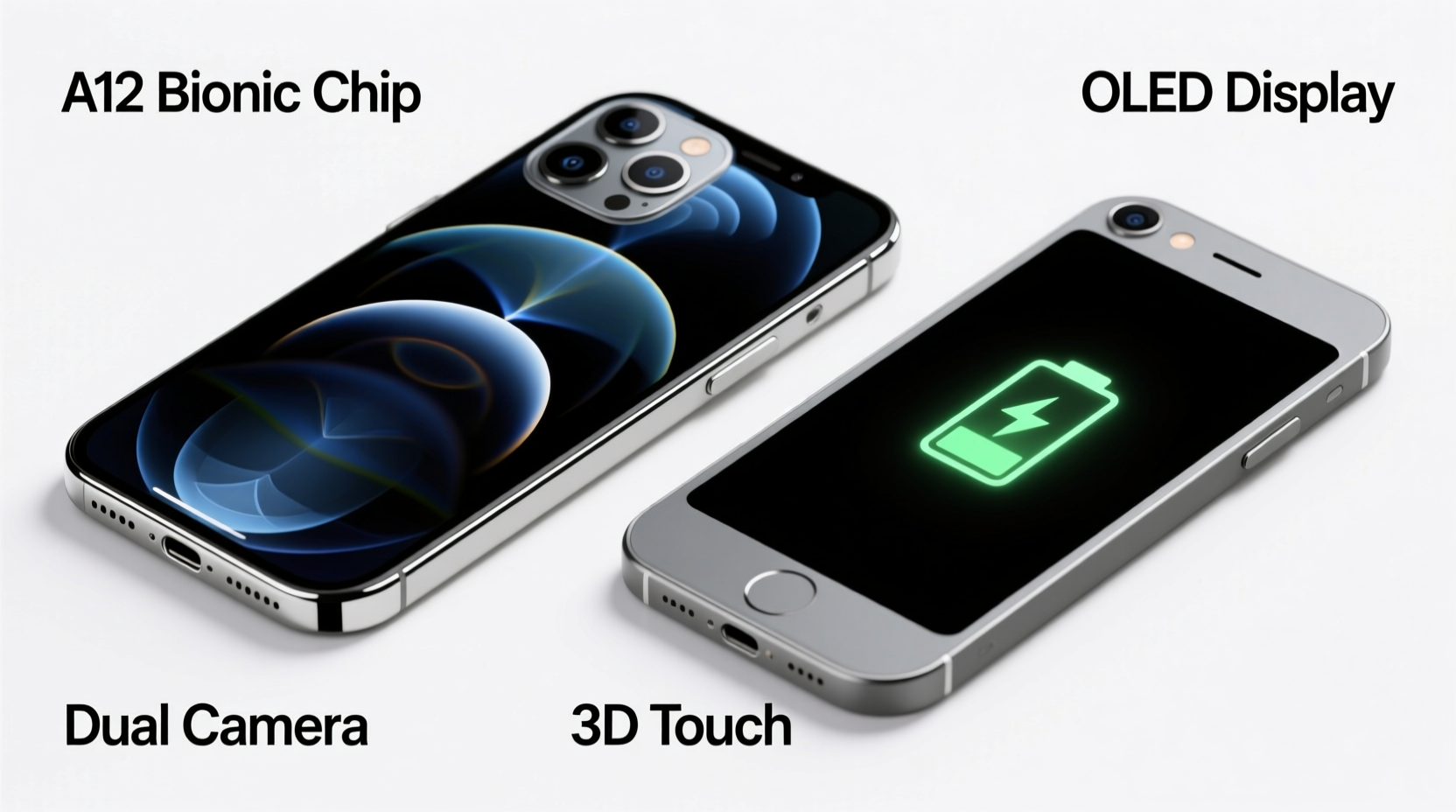
The most immediate and noticeable difference between the iPhone 6 and iPhone XS is raw performance. The iPhone 6 runs on Apple’s A8 chip, which was impressive in 2014 but now struggles with modern iOS versions and multitasking. In contrast, the iPhone XS features the A12 Bionic chip—one of the first 7nm processors in smartphones, offering significantly faster CPU and GPU performance.
Users upgrading report near-instant app launches, seamless switching between apps, and smoother animations throughout the interface. Even simple tasks like scrolling through social media feeds or loading web pages feel markedly faster. Apps that previously froze or crashed on the iPhone 6 (especially heavier ones like Instagram, TikTok, or mobile games) run reliably on the XS.
Display and Design: Bigger, Brighter, More Immersive
The design philosophy shifted dramatically between these two models. The iPhone 6 has physical bezels, a home button with Touch ID, and a 4.7-inch LCD screen. The iPhone XS ditches the home button for Face ID, adopts edge-to-edge OLED display technology, and packs a 5.8-inch screen into a body not much larger than the 6 due to slimmer bezels.
While the screen is technically only slightly bigger, the experience is vastly different. The OLED panel delivers deeper blacks, richer colors, and higher contrast. Watching videos or viewing photos feels more cinematic. Text appears sharper, and outdoor visibility improves thanks to higher peak brightness.
Physically, the iPhone XS feels more compact despite its larger screen, thanks to better ergonomics and glass/metal construction. However, some users miss the tactile feedback of the home button and find Face ID takes getting used to—especially when wearing masks or lying down.
Key Upgrades in Display & Build
| Feature | iPhone 6 | iPhone XS |
|---|---|---|
| Screen Size | 4.7 inches | 5.8 inches |
| Display Type | LCD | OLED (Super Retina) |
| Resolution | 1334 x 750 | 2436 x 1125 |
| Biometric Security | Touch ID | Face ID |
| Build Material | Aluminum + Glass | Stainless Steel + Glass |
| Water Resistance | No official rating | IP68 (up to 2m for 30 mins) |
Camera: Night and Day Difference
If there’s one area where the upgrade truly shines, it’s photography. The iPhone 6 has a single 8MP rear camera with basic autofocus and no optical image stabilization. Low-light performance is poor, and dynamic range is limited. The iPhone XS, on the other hand, features dual 12MP cameras (wide and telephoto), advanced computational photography, Smart HDR, and significantly better low-light capabilities.
People upgrading consistently report being stunned by how much clearer, brighter, and more detailed their photos are—even in dim lighting. Portrait mode adds professional-looking depth effects, and optical zoom allows closer shots without quality loss. Front-facing selfies also improve dramatically thanks to the 7MP TrueDepth camera.
“After using the iPhone XS, I realized how many moments I missed with my old 6. The night shots alone made the upgrade worth it.” — Daniel R., photographer and longtime iPhone user
Battery Life and Charging: Real-World Gains
The iPhone 6 has a modest 1810mAh battery. By today’s standards, it barely lasts a full day with moderate use. The iPhone XS improves on this with a 2658mAh battery and far more power-efficient hardware. Most users report getting through a full day—even with heavy usage—without needing a midday charge.
Additionally, the XS supports fast charging (up to 50% in 30 minutes with an 18W adapter) and wireless charging, neither of which are available on the iPhone 6. These may seem like small conveniences, but over time, they reduce friction in daily routines.
Mini Case Study: Sarah’s Upgrade Experience
Sarah had been using her iPhone 6 since 2015. She delayed upgrading because “it still works.” But after her phone started lagging during video calls and dying by noon, she upgraded to an iPhone XS. Within a week, she noticed several key improvements:
- Her morning routine sped up—Face ID unlocked her phone instantly, even with her coffee in hand.
- She stopped missing photo opportunities at her daughter’s soccer games because the camera focused faster and handled motion better.
- She could finally finish her audiobook during her commute without worrying about the battery dying halfway.
- Apps like Google Maps and WhatsApp loaded twice as fast, making navigation smoother.
“I didn’t think I needed a new phone,” Sarah said. “But now I can’t imagine going back. It’s not flashy—it just works better.”
Software Support and Longevity
Another crucial factor is software support. The iPhone 6 stopped receiving iOS updates after iOS 12. That means no security patches, no new features, and incompatibility with many modern apps that require iOS 13 or later. The iPhone XS launched with iOS 12 but was supported through iOS 17, giving it five years of updates.
This longevity translates directly into usability. Users upgrading to the XS gain access to features like Dark Mode, improved Siri shortcuts, enhanced privacy controls, and optimized notifications—all absent on the older device.
Checklist: Is It Time to Upgrade?
- Does your iPhone 6 take more than 5 seconds to open common apps?
- Have you stopped receiving iOS updates?
- Is your battery swollen or lasting less than 4 hours under normal use?
- Do you struggle to take clear photos in low light?
- Are you unable to install newer versions of essential apps?
If you answered yes to two or more, upgrading to an iPhone XS—or a similar modern device—will likely deliver meaningful improvements.
Frequently Asked Questions
Will my accessories work with the iPhone XS?
Most cases and cables won’t fit due to the different size and lack of home button. Lightning cables are compatible, but you’ll need new cases and may want to invest in wireless charging pads.
Is Face ID secure and reliable compared to Touch ID?
Yes. Face ID uses a 3D depth map and infrared system, making it highly secure (Apple claims a 1 in 1 million chance of a random face unlocking it). It adapts to changes in appearance but may fail with heavy sunglasses or full-face coverings.
Can I transfer everything from my iPhone 6 to the XS easily?
Absolutely. Using iCloud or Quick Start during setup, you can migrate apps, messages, photos, and settings seamlessly. The process typically takes under an hour.
Conclusion: The Upgrade Is Worth It—for the Right Reasons
Upgrading from the iPhone 6 to the iPhone XS isn’t about chasing the latest trend. It’s about reclaiming speed, reliability, and functionality that modern digital life demands. People don’t just notice better specs—they notice fewer frustrations, longer battery life, sharper photos, and a device that keeps up instead of holding them back.
The iPhone XS offers a balanced leap forward: powerful enough to last years, compact enough to handle comfortably, and equipped with features that genuinely enhance daily use. For anyone still clinging to an aging iPhone 6, the upgrade isn’t just worthwhile—it’s overdue.




 浙公网安备
33010002000092号
浙公网安备
33010002000092号 浙B2-20120091-4
Comments
No comments yet. Why don't you start the discussion?