
When \"13 Reasons Why\" premiered on Netflix in 2017, it sparked global conversations about teen suicide, bullying, sexual assault, and mental health. The series, adapted from Jay Asher’s 2007 novel of the same name, follows high school student Clay Jensen as he listens to cassette tapes recorded by his classmate and crush, Hannah Baker, who died by suicide. On the tapes, she outlines 13 people she believes contributed to her decision to end her life. While emotionally gripping and widely discussed, many viewers have questioned: Is this story based on real events? The short answer is no — but the truth behind its creation is more nuanced than a simple yes or no.
The Origin: A Work of Fiction with Real-World Influences
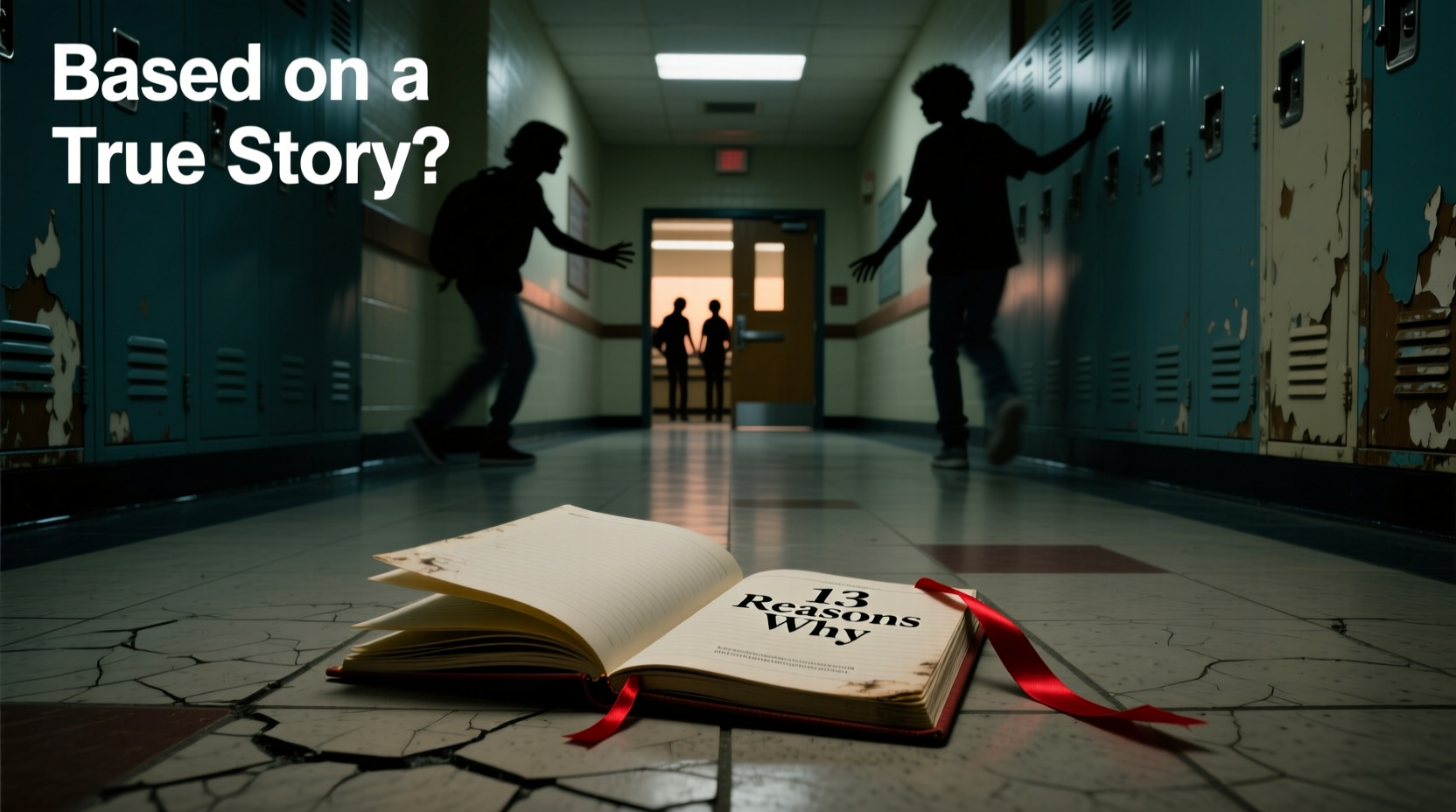
\"13 Reasons Why\" is not a true story in the literal sense. There was no real Hannah Baker, and no actual set of tapes were ever circulated among students detailing the causes of a teenager’s suicide. However, author Jay Asher has stated that while the plot is fictional, the emotional core and societal issues explored are deeply rooted in reality.
Asher began writing the novel after becoming a father and contemplating the pressures children face during adolescence. He wanted to create a narrative that would foster empathy and open dialogue around sensitive topics like depression, isolation, and the ripple effects of seemingly small actions. In interviews, Asher emphasized that the book was inspired by stories he had heard over the years — from friends, news reports, and public discussions about youth mental health crises.
“While the story isn’t based on any one real event, every issue it touches on — from cyberbullying to sexual assault — is something real teens face every day.” — Jay Asher, Author of *13 Reasons Why*
Factual Elements Behind the Fiction
Though the characters and specific plotline are invented, several aspects of the show reflect documented psychological and social realities:
- Suicide contagion: Also known as the \"Werther effect,\" research shows that media portrayals of suicide can increase risk among vulnerable populations, especially adolescents.
- Bullying and social exclusion: Studies consistently link chronic bullying to increased rates of anxiety, depression, and suicidal ideation in teens.
- Lack of mental health support: Many schools and communities still lack adequate counseling resources, leaving at-risk youth without intervention.
- Secondhand trauma: The show illustrates how witnessing a peer’s suffering — or learning about it posthumously — can deeply affect others, as seen through Clay’s psychological unraveling.
Where the Show Strays from Reality
While \"13 Reasons Why\" aimed to raise awareness, mental health professionals raised serious concerns about its portrayal of suicide, particularly in Season 1. Key areas where the show diverges from clinical understanding include:
| Fictional Element | Real-World Fact |
|---|---|
| Hannah leaves behind tapes blaming others for her death. | Most individuals who die by suicide do not blame others; they often feel guilt and see themselves as a burden. |
| The graphic depiction of Hannah’s suicide in Season 1. | Explicit depictions increase imitation risk, especially in youth. Media guidelines advise against showing methods. |
| Suicide is presented as a way to gain control and deliver a message. | In reality, suicide is typically linked to impaired decision-making due to mental illness, not revenge or communication. |
| Clay listens to the tapes and becomes traumatized by guilt. | While grief affects survivors, assigning direct responsibility to peers oversimplifies complex causes. |
The American Foundation for Suicide Prevention (AFSP) and other organizations expressed alarm over the show’s potential to romanticize or sensationalize suicide. After widespread criticism, Netflix eventually removed the controversial suicide scene in 2019 and added stronger viewer warnings.
Real-Life Impact: A Case Study in Media Responsibility
In 2018, researchers from Western University in Canada published a study analyzing emergency department visits for self-harm among youth aged 10–19 in the three weeks following the show’s release. They found a 13% to 28% increase compared to expected rates, suggesting a possible association between viewing the series and self-harming behavior.
Conversely, another study published in *Psychiatric Services* noted a spike in calls to the National Suicide Prevention Lifeline during the same period, indicating that some viewers used the show as a catalyst to seek help.
This duality underscores a critical point: media can both harm and heal, depending on how it handles sensitive topics. \"13 Reasons Why\" became a case study in the power — and peril — of storytelling when real-world consequences are at stake.
How to Watch Responsibly: A Viewer’s Checklist
If you or someone you care about chooses to watch \"13 Reasons Why,\" consider these steps to engage safely and constructively:
- Assess emotional readiness: Are you or the viewer currently dealing with depression, trauma, or suicidal thoughts?
- Watch with a trusted adult or counselor: Viewing together allows for discussion and emotional support.
- Pause and reflect: Stop if scenes become overwhelming. It’s okay to take breaks.
- Fact-check the narrative: Discuss how the show differs from real-life mental health dynamics.
- Seek help if needed: Use resources like crisis hotlines, school counselors, or therapy services.
- Turn conversation into action: Talk about improving school climate, bystander intervention, and mental health access.
Expert Perspectives on the Show’s Legacy
Mental health advocates remain divided on the show’s overall impact. Some argue it succeeded in breaking silence around taboo subjects, while others warn it did more harm than good by misrepresenting suicide.
“The intention may have been to educate, but the execution risked normalizing suicide as a form of communication. We need stories that show recovery, resilience, and access to care — not just tragedy.” — Dr. Christine Moutier, Chief Medical Officer, AFSP
On the other hand, some educators report that the series opened doors for classroom discussions previously considered too difficult. Teachers in districts across the U.S. used the show as a springboard for lessons on empathy, digital citizenship, and emotional well-being — though always with caution and proper context.
Frequently Asked Questions
Did any real suicides inspire \"13 Reasons Why\"?
No single event inspired the story. Author Jay Asher drew from general societal issues rather than a specific case. However, the themes reflect real patterns seen in youth mental health crises.
Can watching \"13 Reasons Why\" cause someone to attempt suicide?
For most viewers, watching the show will not lead to suicidal behavior. However, research suggests that vulnerable individuals — especially those already struggling with depression or trauma — may be at increased risk due to suggestive content.
Is the show accurate in its portrayal of therapy and school counselors?
No. The character of the school counselor, Mr. Porter, is widely criticized for providing inadequate and harmful advice. In reality, trained professionals follow strict protocols and encourage ongoing support, not premature closure.
Conclusion: Understanding the Line Between Story and Reality
\"13 Reasons Why\" is not a true story — but it holds up a mirror to truths that many teenagers live with daily. Its power lies not in factual accuracy, but in its ability to provoke conversation about pain, accountability, and the invisible struggles behind closed doors. While its dramatization has drawn justified criticism, it also reminds us of the urgent need for better mental health education, accessible counseling, and compassionate communities.
The real lesson isn’t found in Hannah Baker’s tapes, but in what we choose to do after the final episode ends. Will we listen more closely to those around us? Will we challenge cultures of silence and indifference? And will we demand systems that protect young people before they reach a breaking point?




 浙公网安备
33010002000092号
浙公网安备
33010002000092号 浙B2-20120091-4
Comments
No comments yet. Why don't you start the discussion?