
In recent years, the bidet attachment has moved from being a niche luxury to a mainstream bathroom upgrade in homes across North America and Europe. Once considered exotic or unnecessary, bidets are now recognized for their practicality, environmental benefits, and contribution to superior personal hygiene. But with skepticism still lingering—especially among those unfamiliar with the technology—the question remains: is a bidet attachment truly worth installing? The answer, backed by medical insight, user experience, and sustainability data, leans heavily toward yes.
Unlike traditional toilet paper, which merely smears residue, a bidet uses a stream of water to cleanse effectively, reducing irritation, minimizing bacterial transfer, and promoting overall genital and anal health. For individuals with hemorrhoids, mobility issues, or sensitive skin, the advantages are even more pronounced. This article explores the hygiene, health, economic, and ecological dimensions of bidet attachments to help you make an informed decision.
The Hygiene Advantage: Why Water Outperforms Paper
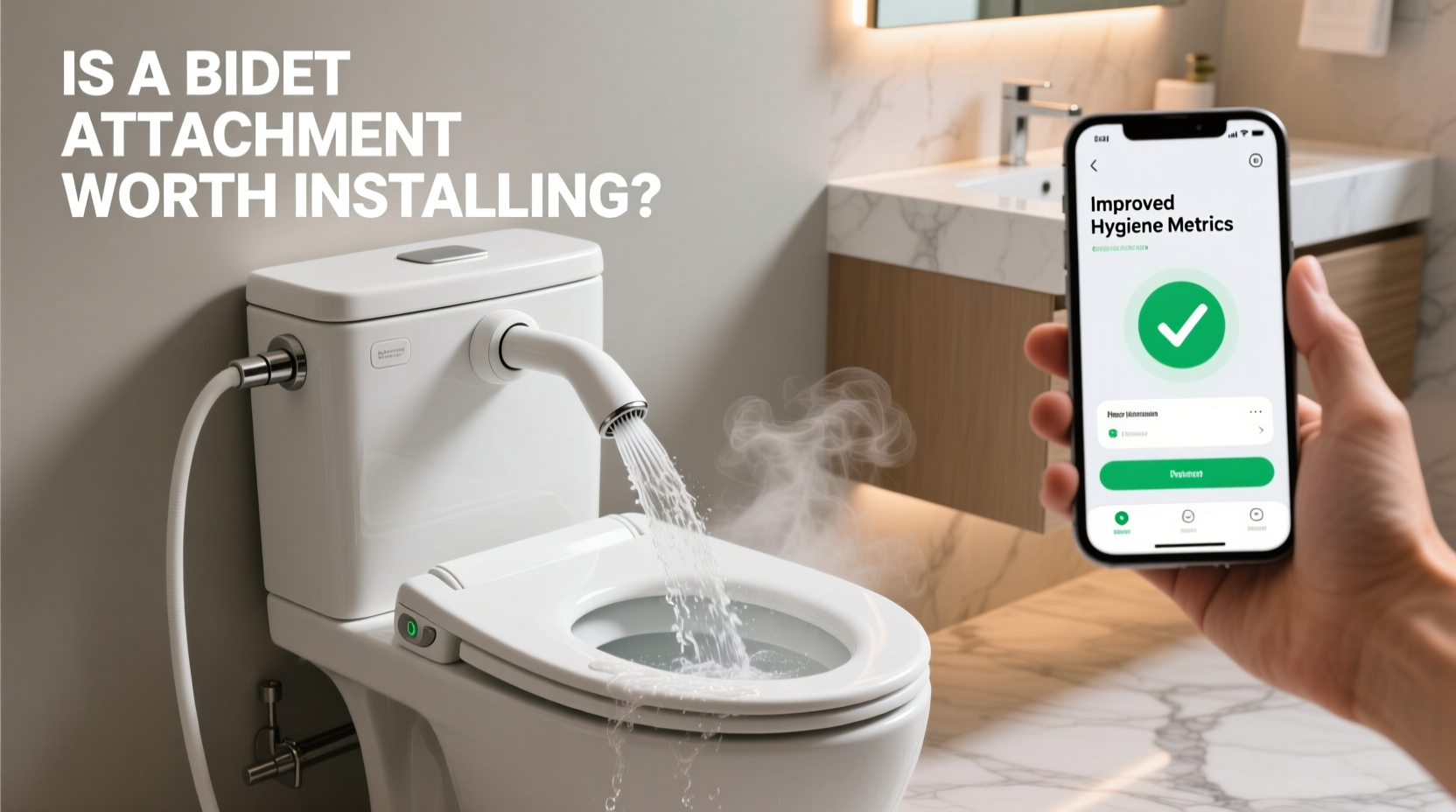
Toilet paper does not clean—it transfers. Even with multiple wipes, residual fecal matter often remains, increasing the risk of urinary tract infections (UTIs), anal irritation, and unpleasant odors. In contrast, a bidet attachment delivers a targeted stream of water that rinses away contaminants thoroughly. This method aligns with global hygiene standards; many cultures, including those in Japan, France, and the Middle East, have used bidets for generations as a standard part of bathroom routines.
Water cleansing reduces friction on delicate tissues. This is especially important for people with conditions like hemorrhoids or fissures, where dry wiping can cause pain and delay healing. Dermatologists also note that repeated use of dry paper can lead to micro-abrasions, creating entry points for bacteria.
Health Benefits Backed by Medical Professionals
Healthcare providers increasingly recommend bidets for patients dealing with chronic digestive issues, post-surgical recovery, or inflammatory conditions. Dr. Sarah Nguyen, a gastroenterologist based in Portland, Oregon, explains:
“Patients with hemorrhoids or after rectal surgery benefit significantly from using a bidet. The reduction in mechanical trauma during cleaning leads to faster recovery and fewer flare-ups.” — Dr. Sarah Nguyen, MD, Gastroenterology Specialist
Bidets are also helpful for women during menstruation, pregnancy, and postpartum recovery. The ability to rinse without harsh wiping supports vaginal health and reduces the risk of infections. Pediatricians have noted that children taught proper bidet use early develop better hygiene habits than those reliant solely on wiping.
For older adults or individuals with limited dexterity—such as those with arthritis or spinal injuries—a bidet attachment offers independence. Features like hands-free operation, heated seats, and adjustable spray angles make self-care easier and more dignified.
Environmental and Economic Impact
The average American uses about 141 rolls of toilet paper per year. That translates to roughly 15 million trees cut annually in the U.S. alone for toilet paper production. Manufacturing and transporting this paper consumes vast amounts of water, energy, and chemicals, contributing significantly to deforestation and carbon emissions.
A bidet attachment drastically reduces reliance on toilet paper. Most users report cutting their consumption by 75% or more. Over time, this leads to noticeable savings. Consider the following comparison:
| Factor | Toilet Paper Only | Bidet + Minimal TP |
|---|---|---|
| Average Annual Cost (Household) | $100–$150 | $25–$40 |
| Tree Equivalent Used Per Year | ~1.5 trees | ~0.3 trees |
| Water Usage (Daily) | 37 gallons (paper production) | 1–2 gallons (bidet use) |
| Lifespan of Investment | N/A (ongoing cost) | 5–10 years (attachment) |
While bidet attachments typically cost between $50 and $150, they pay for themselves within 6 to 18 months through reduced toilet paper spending. High-end models with warm water and drying functions cost more but offer greater comfort and convenience.
Installation and Daily Use: A Practical Guide
One common concern is complexity of installation. However, most bidet attachments are designed for DIY setup and require no plumbing expertise. They connect directly to your existing toilet’s water supply line and take less than 30 minutes to install. Here’s how:
- Turn off the water supply valve behind the toilet and flush to drain the tank.
- Disconnect the water hose from the toilet tank.
- Screw the T-valve included in the bidet kit onto the outlet of the shut-off valve.
- Reconnect the original hose to the top port of the T-valve.
- Attach the bidet’s hose to the side port of the T-valve.
- Mount the bidet unit to the side of the toilet bowl if required.
- Turn the water back on and test for leaks.
- Adjust spray direction and pressure using the control knob.
No electricity is needed for basic cold-water models. If you opt for a smart bidet seat with heated water or air drying, professional installation may be necessary due to electrical requirements.
Real-World Experience: A Case Study
When Mark Thompson, a 58-year-old office manager from Denver, developed hemorrhoids after back surgery, his doctor recommended lifestyle changes—including switching to a bidet. Skeptical at first, Mark installed a $79 bidet attachment after reading reviews online.
“I thought it would feel weird,” he admitted. “But within a week, I noticed less itching, no more bleeding, and I wasn’t using half a roll every time I went to the bathroom. My wife started using it too. Now we can’t imagine going back.”
Within eight months, Mark calculated he’d saved over $90 on toilet paper. More importantly, his recovery accelerated, and he reported feeling “cleaner in a way I didn’t know was possible.” His experience mirrors that of thousands of users who initially approach bidets with hesitation but quickly become advocates.
Choosing the Right Bidet Attachment: A Buyer’s Checklist
Not all bidet attachments are created equal. To ensure you get a model that suits your needs, consider the following checklist before purchasing:
- Compatibility: Confirm it fits your toilet shape (elongated or round) and mounting style.
- Water Temperature: Decide between cold-water only or models with heated water (requires power).
- Spray Controls: Look for adjustable nozzle position, pressure, and pulsation settings.
- Self-Cleaning Nozzle: Ensures hygiene and prevents bacterial buildup.
- Easy Installation: Prefer models with clear instructions and universal fittings.
- Durability: Stainless steel or medical-grade plastic construction lasts longer.
- Warranty: At least one year, preferably two, indicates manufacturer confidence.
- User Reviews: Check verified buyer feedback on reliability and customer service.
Brands like Bio Bidet, Luxe Bidet, and Tushy are consistently rated highly for performance and value. Entry-level models provide core functionality at affordable prices, while premium versions offer features like remote controls, night lights, and deodorizers.
Frequently Asked Questions
Do bidet attachments use a lot of water?
No. A typical bidet uses about 1/8th of a gallon per minute. Even with 30 seconds of use per visit, that’s less than 0.1 gallons daily—far less than the water used to produce toilet paper.
Are bidets hygienic if multiple people use them?
Yes. Most modern bidets feature self-cleaning nozzles that sanitize before and after each use. Additionally, the spray is targeted and doesn’t splash contaminated water. Proper maintenance—like occasional wiping of the nozzle—ensures continued cleanliness.
Can a bidet help prevent infections?
Indirectly, yes. By reducing residual bacteria and eliminating abrasive wiping, bidets lower the risk of UTIs, yeast infections, and anal fissures. Women, in particular, report fewer recurring infections after switching to bidet use.
Conclusion: A Small Upgrade with Lasting Benefits
Installing a bidet attachment is one of the simplest yet most impactful upgrades you can make for personal hygiene, comfort, and environmental responsibility. It cleans more effectively than toilet paper, supports better health outcomes, saves money over time, and reduces waste. Whether motivated by medical need, sustainability goals, or simply a desire for greater cleanliness, the bidet proves its worth across multiple dimensions.
The initial hesitation—often rooted in unfamiliarity—is quickly replaced by appreciation once users experience the difference. As awareness grows and technology improves, bidets are poised to become as standard in American bathrooms as toothbrushes are in medicine cabinets.




 浙公网安备
33010002000092号
浙公网安备
33010002000092号 浙B2-20120091-4
Comments
No comments yet. Why don't you start the discussion?