
For decades, toilet paper has been the default method for post-toilet hygiene in North America. But as awareness grows about sustainability, personal health, and comfort, more people are questioning whether wiping is truly effective—or if there’s a better way. Enter the bidet attachment: a small device that connects directly to your existing toilet, delivering a stream of water for cleansing. While some dismiss it as an unnecessary luxury, others swear by its benefits. So, is a bidet attachment worth installing, or is it just a fancy way to splash water? The answer lies in understanding what bidets do, how they improve daily life, and why millions around the world consider them essential.
The Hygiene Advantage: Why Water Cleans Better Than Paper
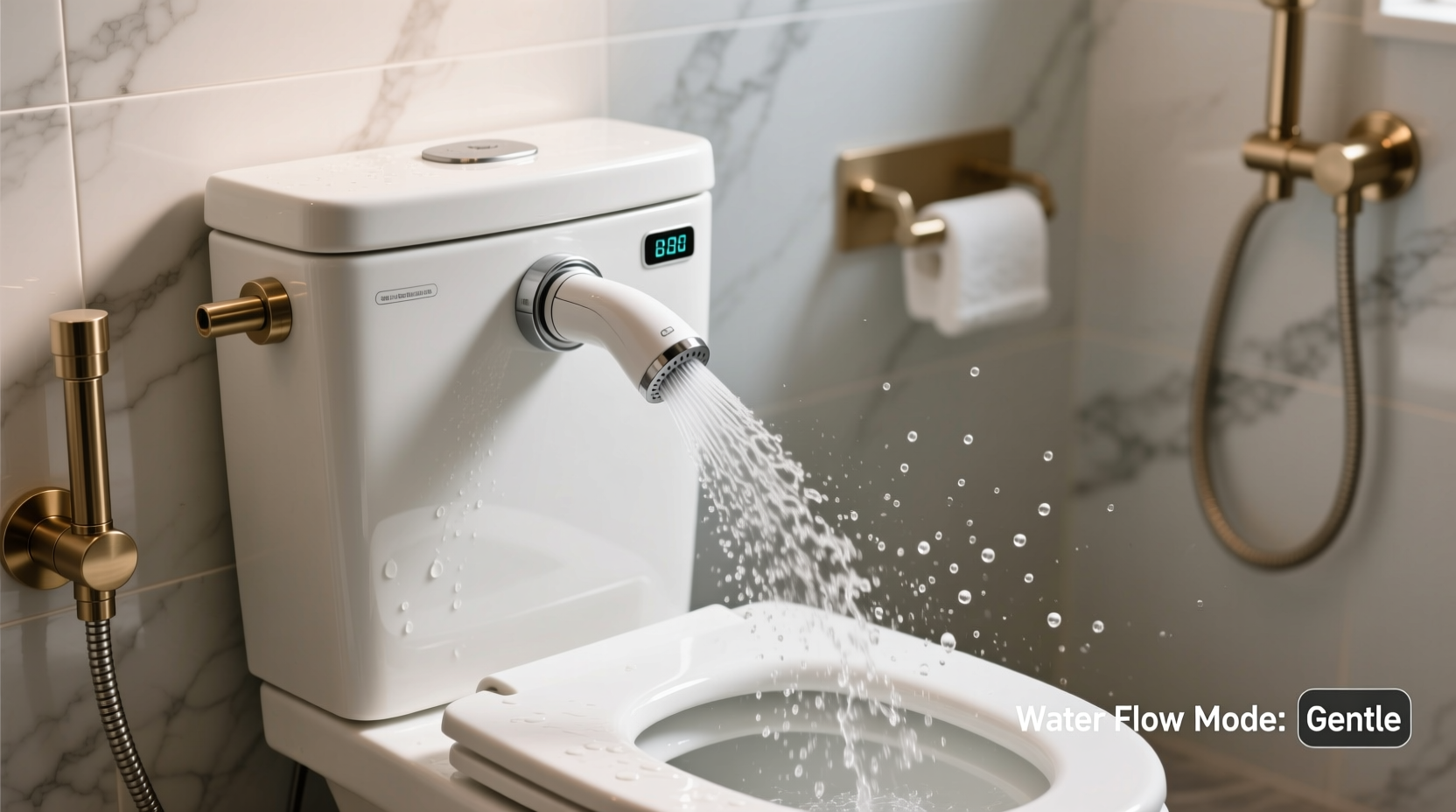
Toilet paper may be convenient, but it doesn’t clean thoroughly. It smears rather than removes residue, often leaving behind bacteria and moisture—especially in skin folds. In contrast, a bidet uses a targeted stream of water to rinse away waste without friction or irritation. This method is not only more hygienic but also reduces the risk of micro-tears, hemorrhoids, and urinary tract infections (UTIs), particularly for women and individuals with sensitive skin.
Dermatologists and urologists increasingly recommend water-based cleaning over dry wiping. Dr. Lena Patel, a board-certified dermatologist, explains:
“Repeated wiping with dry paper can cause chafing, inflammation, and even break down the skin’s protective barrier. A gentle water rinse from a bidet is far less abrasive and significantly more effective at maintaining perianal hygiene.” — Dr. Lena Patel, MD, Dermatology Specialist
This isn’t just medical opinion—it’s backed by cultural practice. Over 70% of the global population uses water for anal cleansing, including countries like Japan, France, Turkey, and South Korea, where bidets or washlet toilets are standard. The U.S. remains one of the few industrialized nations still heavily reliant on toilet paper alone.
Cost and Environmental Impact: Saving Money One Wipe at a Time
A typical American uses about 141 rolls of toilet paper per year. At an average cost of $0.50 per roll, that’s roughly $70 annually per person. For a family of four, that exceeds $280—just on toilet paper. Add in wipes, which are even more expensive and environmentally harmful, and the number climbs higher.
Bidet attachments, on the other hand, require no consumables. Most models cost between $30 and $100 upfront and connect directly to your toilet’s water supply line. They use minimal water—less than a pint per use—and no electricity unless equipped with heating features. Within a year or two, the initial investment pays for itself.
| Factor | Toilet Paper | Bidet Attachment |
|---|---|---|
| Annual Cost (per person) | $70–$100 | $0 after initial purchase |
| Water Usage per Use | N/A | ~0.5–1 pint |
| Environmental Impact | High (trees, chemicals, plastic packaging) | Very low (no waste, minimal water) |
| Lifespan | Single-use | 5–10 years |
| Plumbing Risk | High (clogs from overuse or flushable wipes) | None (when used properly) |
Environmentally, bidets are a clear winner. Toilet paper production consumes vast amounts of water, energy, and trees. According to the Natural Resources Defense Council (NRDC), the U.S. flushes or discards the equivalent of 15 million trees’ worth of toilet paper each year. By switching to a bidet, a single household can eliminate hundreds of rolls from landfills and reduce their carbon footprint significantly.
Real-Life Experience: How One Family Made the Switch
The Thompsons, a family of five in Portland, Oregon, installed bidet attachments in both bathrooms after their youngest daughter developed chronic diaper-like rashes despite frequent changes and high-end wipes. Frustrated and concerned, they consulted a pediatric dermatologist who suggested switching to water-based cleaning.
They purchased two cold-water bidet attachments for under $80 total. Installation took less than 20 minutes using basic tools. Within a week, the child’s skin irritation improved dramatically. Her older siblings, initially skeptical, quickly adapted and now prefer the bidet. “It feels weird at first,” admitted 14-year-old Maya, “but once you try it, you realize how much cleaner you feel.”
Within six months, the family had cut their toilet paper usage by 80%. They keep a small amount for drying off, but no longer buy bulk packs. “We’re saving money, helping the planet, and everyone feels healthier,” said Sarah Thompson. “It’s one of the easiest upgrades we’ve ever made.”
Installation and Maintenance: Simpler Than You Think
One common misconception is that installing a bidet requires plumbing expertise or major renovations. In reality, most bidet attachments are designed for DIY installation and require only a wrench, a screwdriver, and about 15 minutes. Here’s how it works:
- Turn off the water supply to the toilet and drain the tank.
- Remove the existing toilet hose and install a T-valve splitter in its place.
- Reconnect the toilet hose to one end of the T-valve and attach the bidet’s hose to the other.
- Mount the bidet unit to the side of the toilet bowl using included brackets.
- Turn the water back on and test the spray function.
No drilling, no electrical work, and no damage to your bathroom. Most units are compatible with standard elongated and round toilets. If you rent, many landlords allow bidet installations since they don’t alter the plumbing permanently.
Maintenance is minimal. Rinse the nozzle after use if possible (some models have self-cleaning features), and wipe down the exterior weekly with a damp cloth. Avoid harsh cleaners that could degrade plastic or rubber components.
Choosing the Right Bidet: Features That Matter
Not all bidet attachments are created equal. While basic models offer cold water spray and manual controls, premium versions include heated seats, warm water, remote controls, air dryers, and deodorizers. For most users, a mid-range model with adjustable spray settings and self-cleaning nozzles provides the best balance of functionality and value.
- Non-electric vs. Electric: Non-electric models are cheaper, easier to install, and reliable. Electric bidets offer more comfort but require an outlet and professional installation.
- Spray Control: Look for dual nozzles (front and rear) and adjustable angles. This ensures proper cleaning for all users.
- Material Quality: Stainless steel or medical-grade plastic nozzles resist bacteria buildup and last longer.
- Child and Senior-Friendly: Some models feature gentle modes ideal for sensitive skin or limited mobility.
If budget allows, consider a hybrid approach: install a non-electric bidet now and upgrade later. Many users find the basic functionality so satisfying they never feel the need to upgrade.
Frequently Asked Questions
Do bidets really save money?
Yes. While the upfront cost ranges from $30 to $100, most users recoup their investment within 6 to 18 months by reducing or eliminating toilet paper purchases. Families with children or individuals using wipes see even faster returns.
Are bidets sanitary? Don’t they spread bacteria?
Modern bidets are highly sanitary. The water comes directly from your home’s clean water supply, and many models feature self-cleaning nozzles that sanitize before and after use. Unlike shared toilet seat sprayers in public restrooms, personal bidet attachments are used by one household, minimizing contamination risk.
Can I install a bidet in an apartment?
Absolutely. Most bidet attachments are renters-friendly. They don’t require permanent modifications and can be removed when moving out. Just make sure to turn off the water supply before disconnecting and restore the original hose setup.
Step-by-Step Guide to Getting Started
Convinced it’s time to try a bidet? Follow this simple timeline to make the switch smoothly:
- Week 1: Research models and read reviews. Focus on ease of installation, user comfort, and durability.
- Week 2: Purchase a bidet attachment (recommended brands: Bio Bidet, Luxe Bidet, Tushy).
- Week 3: Install the unit on a weekend morning when you’re not rushed.
- Day 1 After Installation: Test the spray while standing to get comfortable with the controls.
- Days 2–7: Use the bidet after every bowel movement. Keep toilet paper nearby for drying until you adjust.
- Week 2: Evaluate your experience. Adjust settings, reduce paper use, and encourage household members to try it.
- Month 1: Assess savings, comfort, and hygiene improvements. Consider installing in additional bathrooms if needed.
- ✅ Measure your toilet’s clearance and valve location
- ✅ Confirm compatibility with round or elongated bowls
- ✅ Decide between electric and non-electric
- ✅ Check for adjustable pressure and nozzle position
- ✅ Look for a warranty of at least 1 year
- ✅ Read customer reviews for reliability and ease of use
Conclusion: More Than a Splash—A Smart Upgrade
A bidet attachment is far more than a novelty or luxury. It’s a practical, cost-effective, and hygienic solution to a daily necessity. Whether you're motivated by health, environmental concerns, or simply the desire to feel cleaner, installing a bidet is one of the simplest home upgrades with lasting benefits. It challenges outdated norms and offers a modern alternative that aligns with global standards of cleanliness.
You don’t need a full smart toilet or a bathroom renovation to experience the difference. With a $50 attachment and 15 minutes of effort, you can transform your bathroom routine forever. The next time you reach for toilet paper, ask yourself: Is this really the best way to stay clean? The answer might just come from a gentle stream of water.




 浙公网安备
33010002000092号
浙公网安备
33010002000092号 浙B2-20120091-4
Comments
No comments yet. Why don't you start the discussion?