
For collectors and fans alike, the allure of a larger-than-life action figure is undeniable. Standing taller on the shelf, more detailed, and often commanding attention—bigger figures seem like the natural upgrade. But when comparing a 24cm model to what’s marketed as “large,” is the extra size truly worth the investment? The answer isn’t always straightforward. Size affects price, detail, durability, shelf presence, and even practicality. This guide breaks down the real differences between 24cm and large-scale action figures to help you make an informed decision.
Understanding the Scale: What Does 24cm vs Large Mean?
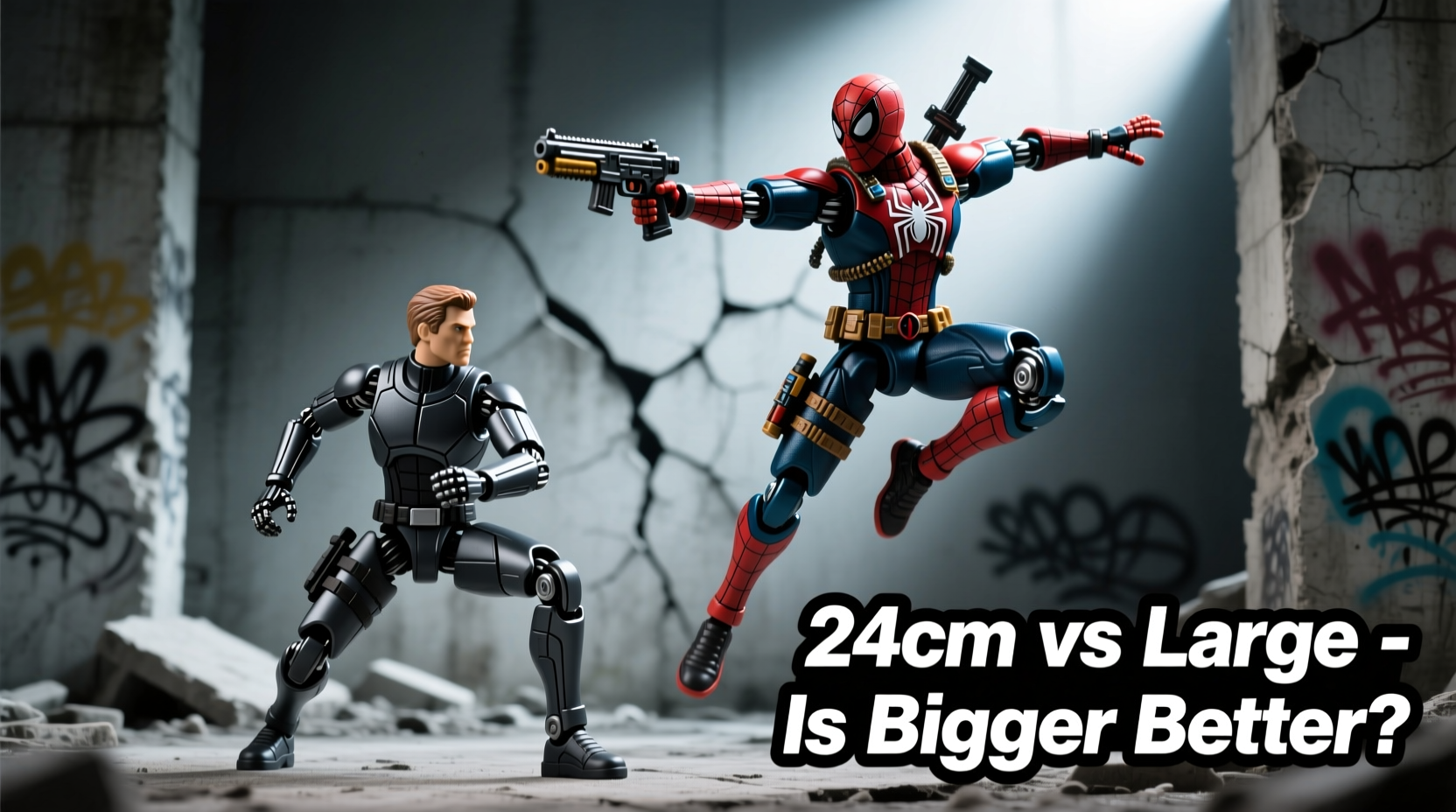
The term “large” in action figure marketing can be misleading. Unlike standardized measurements such as 6-inch or 12-inch figures, “large” is often used loosely by manufacturers to suggest premium size without specifying exact dimensions. In contrast, 24cm (approximately 9.4 inches) offers a precise benchmark. Most 24cm figures fall into the 1:6 or 1:7 scale range, commonly seen in high-end collectibles from brands like Hot Toys, Sideshow Collectibles, or Mezco.
A so-called “large” figure might be anywhere from 30cm to over 50cm tall, depending on the line. For example, NECA’s “Ultimate” series often hits 30–35cm, while Iron Studios’ dioramas can exceed 40cm. When evaluating value, it's critical to compare actual height, not just marketing labels.
“Scale consistency matters most for collectors building cohesive displays. A single oversized figure can disrupt visual harmony.” — Daniel Ruiz, Toy Curator at Pop Culture Archive
Size vs. Detail: Where Bigger Adds Real Value
Larger figures generally allow for more intricate sculpting, fabric clothing, advanced articulation, and realistic paint applications. At 24cm, manufacturers can include up to 30 points of articulation, interchangeable hands, facial expressions, and accessories. However, once you move beyond this size—into the 35cm+ range—the level of detail often increases dramatically.
Large-scale figures may feature:
- Realistic hair strands instead of molded plastic
- Weighted bases for dynamic posing
- LED lighting in eyes, chest, or weapons
- Fabric capes or tailored suits with stitching
- Dynamic diorama-style bases with environmental elements
But increased detail comes with trade-offs. Larger figures are heavier, more fragile, and often less poseable due to structural limitations. They also require significantly more shelf space—something many collectors overlook until they receive their purchase.
Price-to-Value Comparison: Is the Premium Justified?
Cost is one of the biggest differentiators. A typical 24cm premium action figure ranges from $150 to $250. In contrast, large-scale collectibles (35cm+) often start at $300 and can exceed $600, especially for limited editions or artist variants.
To assess whether the price jump is justified, consider these factors:
| Feature | 24cm Figure | Large-Scale Figure (35cm+) |
|---|---|---|
| Average Price | $150–$250 | $300–$600+ |
| Detail Level | High (sculpt, paint, accessories) | Very High (fabric, LEDs, diorama) |
| Shelf Space Required | Medium (10x10x15cm approx.) | Large (15x15x25cm+) |
| Durability | Generally sturdy | More fragile; prone to tipping |
| Rarity & Resale Value | Moderate to high | Often higher due to exclusivity |
While large figures offer superior craftsmanship, they don’t always provide double the enjoyment. For some, the emotional impact of owning a centerpiece piece justifies the cost. For others, investing in multiple 24cm figures yields greater variety and flexibility in display options.
Real Collector Scenario: Choosing Between Two Batman Figures
Consider Mark, a long-time DC collector with a dedicated glass cabinet. He was deciding between a 24cm Premium Format Batman ($220) and a 42cm Movie Masterpiece version ($520). Both were screen-accurate, but the larger one included a Gotham City skyline base and illuminated cowl.
After measuring his shelf, Mark realized the large figure would dominate the central section, leaving little room for future additions. He also noted that the 24cm version could be posed alongside other Justice League members, creating interactive scenes. Ultimately, he chose the smaller scale—not because it was cheaper, but because it offered better integration with his existing collection.
This scenario illustrates a key principle: value isn’t solely about size or detail. It’s about how well the figure fits your personal collecting goals.
When a Larger Figure Makes Sense: A Practical Checklist
Before upgrading to a large-scale model, ask yourself the following questions. Check all that apply:
- ✅ Do I have enough display space for a figure over 35cm tall?
- ✅ Am I looking for a centerpiece or showstopper item?
- ✅ Is this a limited edition or highly sought-after release?
- ✅ Will I keep it sealed, or do I plan to handle/pose it regularly?
- ✅ Can I afford the premium price without compromising other collecting goals?
- ✅ Does it come with unique features (lighting, sound, exclusive base)?
If four or more apply, a large figure may be worth the investment. If fewer, a 24cm version likely offers better balance between quality and practicality.
Long-Term Considerations: Storage, Durability, and Resale
Larger figures aren’t just harder to display—they’re harder to store safely. Dust accumulation, accidental bumps, and UV exposure affect big figures more severely due to surface area and protruding parts. Fabric components can degrade over time, and internal electronics (like LEDs) may fail after years of use.
Resale value trends show that large figures appreciate faster—especially if part of a numbered edition—but they also take longer to sell due to niche demand and shipping complexity. A 24cm figure, by contrast, has broader appeal and easier logistics, making it more liquid in the secondary market.
“Big figures are like statement art pieces. They impress visitors, but they’re not always the smartest long-term play.” — Lena Tran, Reseller & Toy Market Analyst
Frequently Asked Questions
Is 24cm considered a large action figure?
In standard toy lines, yes—24cm is typically classified as large. However, in the high-end collectible market, it’s considered mid-scale. True \"large\" figures usually begin around 30–35cm.
Do larger figures have better articulation?
Not necessarily. While some large figures offer impressive movement, many prioritize aesthetics over poseability. Due to weight and design constraints, they may have fewer functional joints than a 24cm figure with advanced engineering.
Can I mix 24cm and large figures in the same display?
You can, but it risks visual imbalance. To maintain cohesion, use themed sections—one area for large centerpieces, another for grouped 24cm characters. Avoid placing them side-by-side unless they’re from the same scale line.
Final Verdict: Bigger Isn’t Always Better—But It Can Be Meaningful
A 24cm action figure delivers excellent detail, reasonable pricing, and versatile display potential. It strikes a near-perfect balance for most collectors. Large-scale figures, meanwhile, serve a different purpose: they’re bold, dramatic, and designed to awe. They work best as centerpieces, anniversary purchases, or legacy additions to a mature collection.
The true worth of a bigger figure depends not on its height, but on how it aligns with your space, budget, and vision. For newcomers or those with limited room, sticking with 24cm models is wise. For seasoned collectors seeking impact, a well-chosen large figure can be deeply satisfying.




 浙公网安备
33010002000092号
浙公网安备
33010002000092号 浙B2-20120091-4
Comments
No comments yet. Why don't you start the discussion?