
The iPhone 5s, once a flagship device, remains nostalgic for many users drawn to its compact size, iconic Touch ID, and iOS simplicity. But with prices of even used originals climbing due to collector interest and limited supply, some buyers consider cheaper alternatives—clone iPhones. These replicas, often sold online or in informal markets, promise similar looks at a fraction of the cost. The real question isn’t just about price; it’s whether that savings comes with hidden costs. Is a clone iPhone 5s truly worth the risk, or should you invest in a used original instead?
Understanding Clone iPhones: What Are They Really?
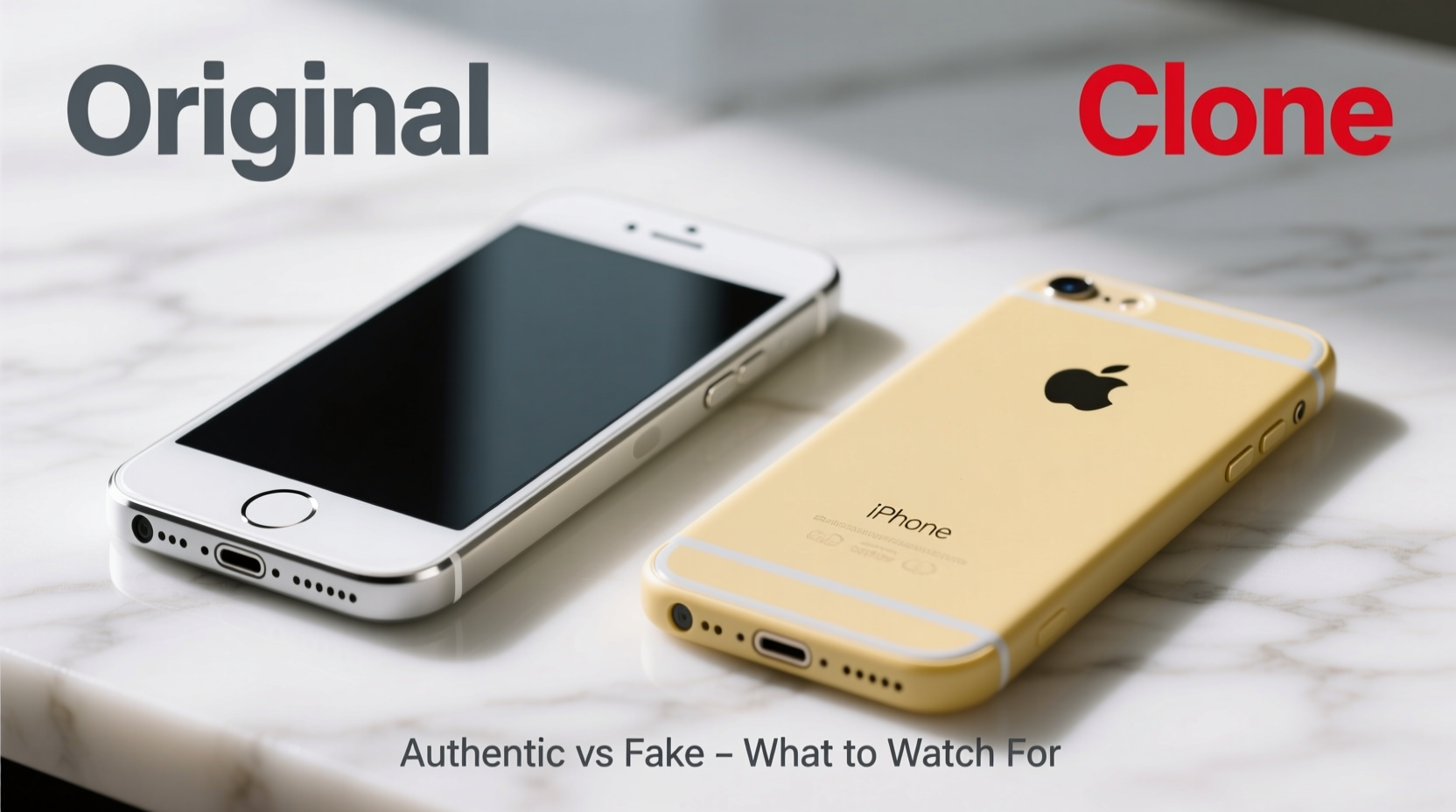
A “clone” iPhone 5s is not an Apple product. It’s typically a third-party manufactured device designed to mimic the appearance and basic functionality of the original. These clones are built using generic hardware, often with Android operating systems disguised as iOS through custom user interfaces. While they may feature a home button, resemble the aluminum body, and even simulate the iOS home screen, their internal components are entirely different.
Manufacturers of these devices target budget-conscious consumers who want the aesthetic of an iPhone without paying Apple’s premium. However, beneath the surface, compromises abound. Processors are usually low-end chips, cameras produce poor-quality images, battery life is inconsistent, and software updates are nonexistent.
“Clone phones operate in a legal gray area and rarely meet consumer safety standards. You’re not just buying a phone—you’re assuming liability.” — David Lin, Mobile Security Analyst at TechShield Labs
Performance & Usability: Real-World Experience
If your primary goal is making calls, sending texts, or using basic apps like calculators and alarms, a clone iPhone 5s might seem sufficient—at first. But deeper usage reveals major shortcomings:
- Laggy interface: Even simple navigation feels sluggish due to underpowered processors and insufficient RAM.
- No app compatibility: While some clones run Android with an iOS skin, popular Apple-exclusive apps (like iMessage, FaceTime, or iCloud) don’t work.
- Poor camera quality: Cameras often lack autofocus, proper sensors, and image stabilization—photos appear grainy even in good lighting.
- Battery issues: Many clones use unbranded lithium cells prone to swelling, overheating, or sudden shutdowns.
Security and Privacy Risks of Clone Devices
One of the most serious concerns with clone iPhones is security. Unlike genuine Apple devices, which receive regular firmware updates and have secure boot chains, clones often come preloaded with modified operating systems that can include spyware, data harvesters, or backdoors.
Many clones ship with fake App Stores that distribute malware-laden versions of popular apps. Since there’s no oversight from Google Play Protect or Apple’s App Review process, installing any app becomes a gamble. Worse, some models automatically collect call logs, messages, and location data, transmitting them to unknown servers.
In 2022, researchers at Kryptos Logic discovered a batch of iOS-lookalike Android devices secretly logging keystrokes and uploading credentials from banking apps. Most were marketed as “iPhone replicas” and sold under $50.
Common Security Flaws in Clones
- No OS update mechanism
- Pre-installed tracking software
- Unencrypted data storage
- Fake Wi-Fi networks auto-generated by the device
Used Original iPhone 5s: What You’re Actually Getting
A used original iPhone 5s, while outdated by modern standards, was built to high engineering and safety specifications. Released in 2013, it ran iOS efficiently thanks to Apple’s tight hardware-software integration. Even today, a well-maintained unit can handle email, web browsing, music playback, and older versions of social media apps—provided it has sufficient battery health.
Key advantages over clones:
- Genuine A7 chip with 64-bit architecture (superior speed and efficiency)
- True Touch ID fingerprint sensor with secure enclave
- Access to Apple’s ecosystem (iCloud, iTunes, Find My iPhone)
- Ability to install legacy versions of apps still supported on iOS 12
- Safer, vetted software environment
Of course, the iPhone 5s has limitations. It cannot upgrade beyond iOS 12.5.7, lacks modern camera features, and struggles with newer resource-heavy apps. But for someone seeking authenticity, reliability, and peace of mind, it outperforms any clone.
Price Comparison: Clone vs Used Original
| Device Type | Avg. Price (USD) | OS Authenticity | Warranty | Repair Support |
|---|---|---|---|---|
| Clone iPhone 5s | $20–$60 | Fake iOS skin (Android-based) | None | Virtually none |
| Used Original iPhone 5s | $40–$100 | Real iOS (up to 12.5.7) | Rarely included | Third-party repair shops available |
The price gap is narrow—often less than $40. When viewed as a long-term investment in usability and safety, the original clearly offers better value.
Mini Case Study: Maria’s Clone Gamble
Maria, a college student on a tight budget, bought a $35 “iPhone 5s replica” from an online marketplace. It looked convincing, booted into an iOS-like interface, and had a working camera. Within two weeks, she noticed her Facebook account logged out repeatedly, and strange pop-ups appeared during browsing. After connecting it to her laptop, antivirus software flagged multiple APK files labeled “system_update_service,” which were harvesting login forms.
She wiped the device, but it wouldn’t reboot properly afterward. The seller disappeared. In contrast, when she later purchased a $75 used original iPhone 5s from a local electronics reseller, it held a charge for a full day, synced with her iCloud, and allowed her to safely access her accounts without fear of intrusion.
Maria now advises others: “If a deal seems too good to be true, especially with electronics, it probably has a trap inside.”
Step-by-Step Guide: How to Buy a Safe Used iPhone 5s
- Determine your budget: Set a max price (ideally under $100).
- Verify authenticity: Check the model number (A1453 or A1457) in Settings > General > About.
- Inspect physical condition: Look for scratches, dents, and ensure the home button clicks smoothly.
- Test core functions: Camera, speaker, microphone, Wi-Fi, and Touch ID.
- Check battery health: Under Settings > Battery > Battery Health (if available), look for maximum capacity above 80%.
- Erase all content: Reset the device to confirm it’s not activation locked (iCloud lock).
- Buy from trusted sources: Prefer sellers with reviews, return policies, or in-person verification options.
FAQ
Can a clone iPhone 5s get iOS updates?
No. Clone devices do not run real iOS and cannot receive updates from Apple. Any “update” offered is likely a phishing attempt or malware.
Will a used iPhone 5s work with modern SIM cards and carriers?
Most U.S. carriers discontinued support for the iPhone 5s on LTE networks after 2022. It may only connect via 3G or fail entirely, depending on your provider. Confirm compatibility before purchase.
Are there legal risks in buying a clone?
While owning a clone isn’t illegal in most countries, selling counterfeit-branded electronics violates trademark laws. Buyers risk supporting unethical manufacturing practices and unsafe products.
Final Verdict: Clone vs Used Original – Which Should You Choose?
The short answer: Choose the used original. For a marginal increase in cost, you gain authenticity, better performance, and critical security protections. The clone iPhone 5s may save you $20 upfront, but it introduces risks that far outweigh the savings—especially regarding personal data, device longevity, and daily usability.
If your needs are minimal—a backup phone, a retro gadget, or a gift for a child learning tech basics—a functional used iPhone 5s provides a safer, more satisfying experience. And if budget is tight, consider waiting or exploring other affordable, modern Android options with legitimate warranties and security patches.




 浙公网安备
33010002000092号
浙公网安备
33010002000092号 浙B2-20120091-4
Comments
No comments yet. Why don't you start the discussion?