
When choosing a daily carry bag, the decision often comes down to comfort versus structure. Many consumers assume that a well-shaped, rigid tote exudes professionalism and durability, while softer, slouchier bags are seen as casual or less durable. But in real-world usage, does comfort outweigh form? Based on extensive user feedback, lifestyle demands, and long-term usability, the answer may surprise you. Real people—commuters, parents, freelancers, and professionals—are increasingly favoring comfortable tote bags over their structured counterparts, not just for style but for genuine practicality.
The Comfort Factor: Why Soft Totes Win for Daily Use
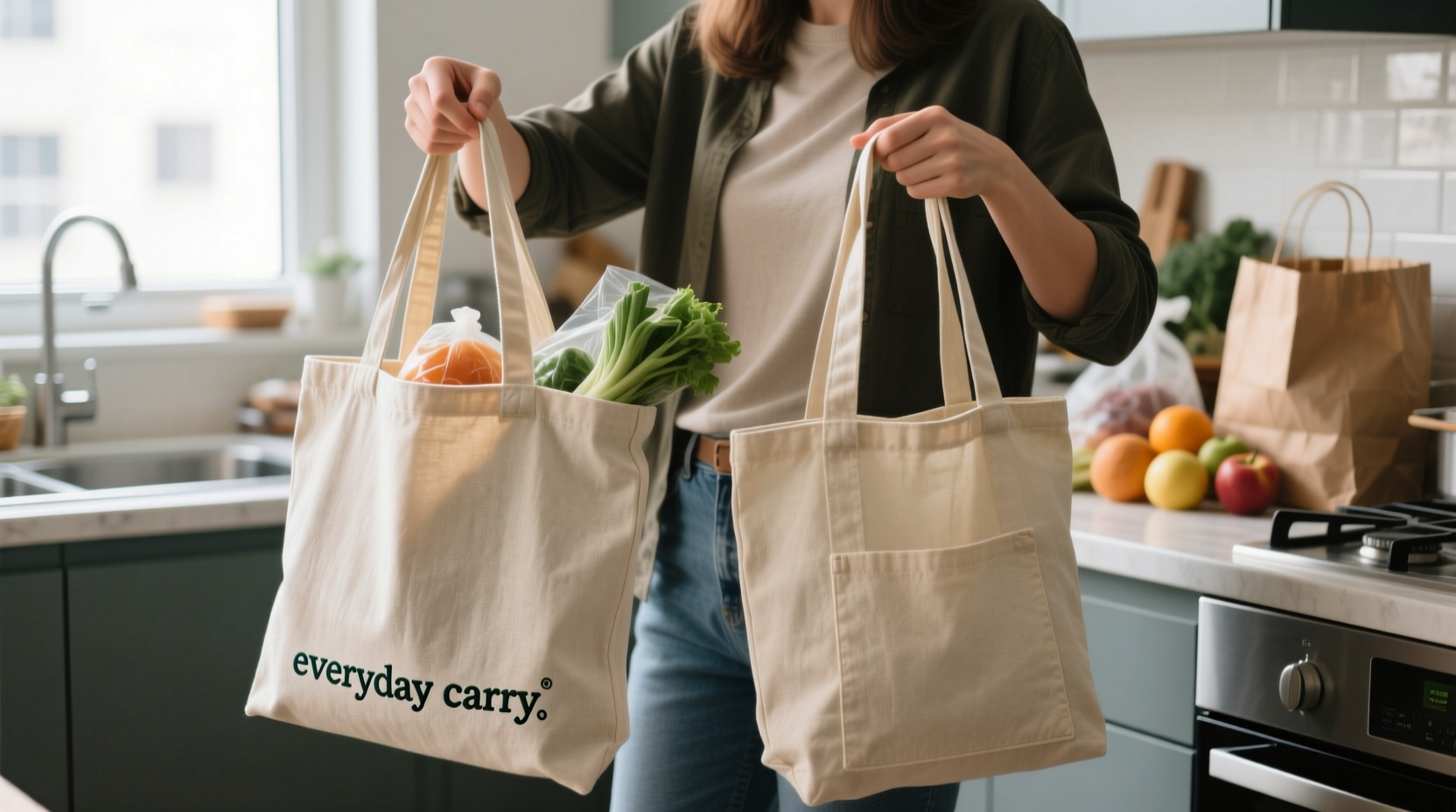
Comfortable tote bags, typically made from soft leather, canvas, or nylon with minimal internal stiffening, offer a flexibility that structured bags simply can’t match. Users consistently report that soft totes adapt to their bodies, distribute weight more evenly, and cause less shoulder strain—even when fully loaded.
One common complaint about structured bags is their rigidity. While they maintain shape beautifully on a shelf or during a photoshoot, this same feature makes them unforgiving when overstuffed. A structured tote doesn’t conform; it resists. This resistance translates into pressure points on the shoulder, especially during long commutes or walks between meetings.
Real User Experience: The Freelancer’s Dilemma
“I switched from a designer structured tote to a minimalist canvas tote two years ago. I was skeptical at first—it looked too simple. But within a week, I realized I could walk across Manhattan with my laptop, sketchbook, water bottle, and lunch without discomfort. The structured bag gave me shoulder pain after an hour. The soft tote just… moved with me.” — Maya Tran, Graphic Designer & Remote Worker
Maya’s experience is echoed by countless others who value function over form. Her canvas tote folds easily under her arm when not in use, slips under airplane seats, and never digs into her shoulder. Meanwhile, her old structured bag, though elegant, required careful loading to avoid warping and couldn’t be stuffed beyond capacity without compromising its appearance—or her comfort.
Practical Comparison: Comfortable vs. Structured Totes
| Feature | Comfortable (Soft) Tote | Structured Tote |
|---|---|---|
| Weight Distribution | Even, flexible fit; conforms to body | Rigid; uneven pressure if overloaded |
| Durability Under Load | Handles overstuffing gracefully | Shape deforms if overstuffed |
| Portability | Folds, packs, stores easily | Bulky; requires dedicated space |
| Style Consistency | Relaxed, casual elegance | Crisp, professional look |
| Lifespan with Heavy Use | Longer due to stress absorption | Shorter if frequently overfilled |
| Everyday Practicality | High—adaptable to changing needs | Moderate—best for consistent loads |
The table above reflects aggregated user experiences from lifestyle surveys and product reviews. While structured bags score higher in aesthetic consistency, soft totes dominate in adaptability and long-term wearability.
Expert Insight: Function Over Form in Modern Design
“Today’s consumer prioritizes ergonomics. We’re seeing a shift away from rigid silhouettes toward intelligent design—bags that support movement, not restrict it. Comfort isn’t a compromise; it’s a requirement.” — Lena Patel, Product Designer at Urban Carry Co.
Patel emphasizes that modern materials and construction techniques now allow soft totes to maintain integrity without sacrificing support. Features like reinforced bases, crossbody strap options, and compartmentalized interiors mean comfort doesn’t have to come at the cost of organization.
When Structure Still Matters
That said, structured totes remain the preferred choice in specific scenarios. Professionals attending client meetings, lawyers carrying documents, or anyone needing to project a polished image often benefit from the clean lines and reliable silhouette of a structured bag. These bags also excel in protecting delicate contents—like tablets or paperwork—from bending or impact.
However, even in these cases, hybrid models are gaining traction. Some brands now offer “semi-structured” totes—soft-sided with a firm base and light internal framing. These combine the best of both worlds: enough shape to appear professional, yet enough give to ensure comfort during extended wear.
Step-by-Step: Choosing the Right Tote for Your Lifestyle
- Assess your daily load: List what you carry regularly (laptop, books, water bottle, etc.). If your items vary in size and number, a soft tote offers better adaptability.
- Evaluate carry time: If you’re on your feet for more than an hour with your bag, prioritize ergonomic features like wide straps or optional shoulder pads.
- Consider storage needs: Do you need to fold your bag or store it in tight spaces? Soft totes win here.
- Test for access: Structured bags often have easier top access due to open frames, while soft totes may require digging. Look for zip closures or interior pockets to compensate.
- Try before you buy: Load the bag with similar weight to your usual items and walk around for 10–15 minutes. Notice any strain or imbalance.
User Checklist: Is a Comfortable Tote Right for You?
- ✅ You carry your bag for extended periods (e.g., commuting, traveling)
- ✅ Your daily load varies in volume and weight
- ✅ You value ease of storage and portability
- ✅ You prefer a relaxed, versatile aesthetic
- ✅ You’re willing to trade perfect shape for long-term comfort
Common Misconceptions Debunked
Myth: Soft totes look unprofessional.
Reality: Many high-end brands now design soft totes with minimalist detailing, premium finishes, and refined hardware that project sophistication without stiffness.
Myth: Structured bags last longer.
Reality: Over time, repeated overstuffing can warp a structured bag’s frame, leading to permanent deformation. Soft bags absorb stress more naturally, reducing long-term damage.
Myth: Only structured bags protect contents.
Reality: With proper padding and smart compartments, soft totes can safeguard electronics and documents just as effectively.
FAQ
Can a soft tote hold a laptop securely?
Yes, many comfortable totes include padded laptop sleeves (usually up to 15 inches). Look for models with cushioned interior sections and secure zippers to keep devices safe.
Do soft totes wear out faster?
Not necessarily. High-quality materials like full-grain leather or ripstop nylon age well and develop character over time. Poor stitching or thin fabrics are bigger risks than softness itself.
Are structured bags worth the higher price?
Only if you specifically need their formal appearance or rigid protection. For everyday versatility, many users find soft totes deliver better value per use.
Final Thoughts: Practicality Is Personal
In the debate between comfortable and structured totes, there is no universal winner—only what works best for your life. However, real-world evidence strongly suggests that for most people, comfort leads to greater practicality. A bag you enjoy carrying is one you’ll actually use, maintain, and rely on day after day.
The rise of remote work, hybrid lifestyles, and functional fashion has shifted priorities. Today’s ideal tote isn’t just about looking put-together—it’s about feeling supported. Whether you're navigating crowded subways, rushing between coffee shops, or balancing groceries and a laptop, a comfortable tote adapts to your world instead of forcing you to adapt to it.




 浙公网安备
33010002000092号
浙公网安备
33010002000092号 浙B2-20120091-4
Comments
No comments yet. Why don't you start the discussion?