
The holiday season has always been marked by tradition—wreaths on doors, carols in the air, and behind 24 little doors, a daily surprise. For decades, the physical advent calendar was a staple of December anticipation, especially in homes with children. But as smartphones dominate daily routines and digital experiences reshape how we celebrate, a new contender has emerged: the digital advent calendar app. Nowhere is this shift more evident than among millennials—a generation raised between analog nostalgia and digital innovation. So, is a digital advent calendar app truly replacing its paper-and-chocolate predecessor? The answer lies not just in convenience, but in evolving values, lifestyles, and expectations.
The Rise of the Digital Experience
Millennials, broadly defined as those born between 1981 and 1996, are the first generation to come of age alongside the internet. They witnessed the transition from dial-up to high-speed broadband, from flip phones to fully immersive smartphones. This digital fluency shapes how they interact with traditions. While many still cherish nostalgic elements like handwritten cards or family recipes, they also demand efficiency, personalization, and interactivity—qualities that physical calendars struggle to deliver.
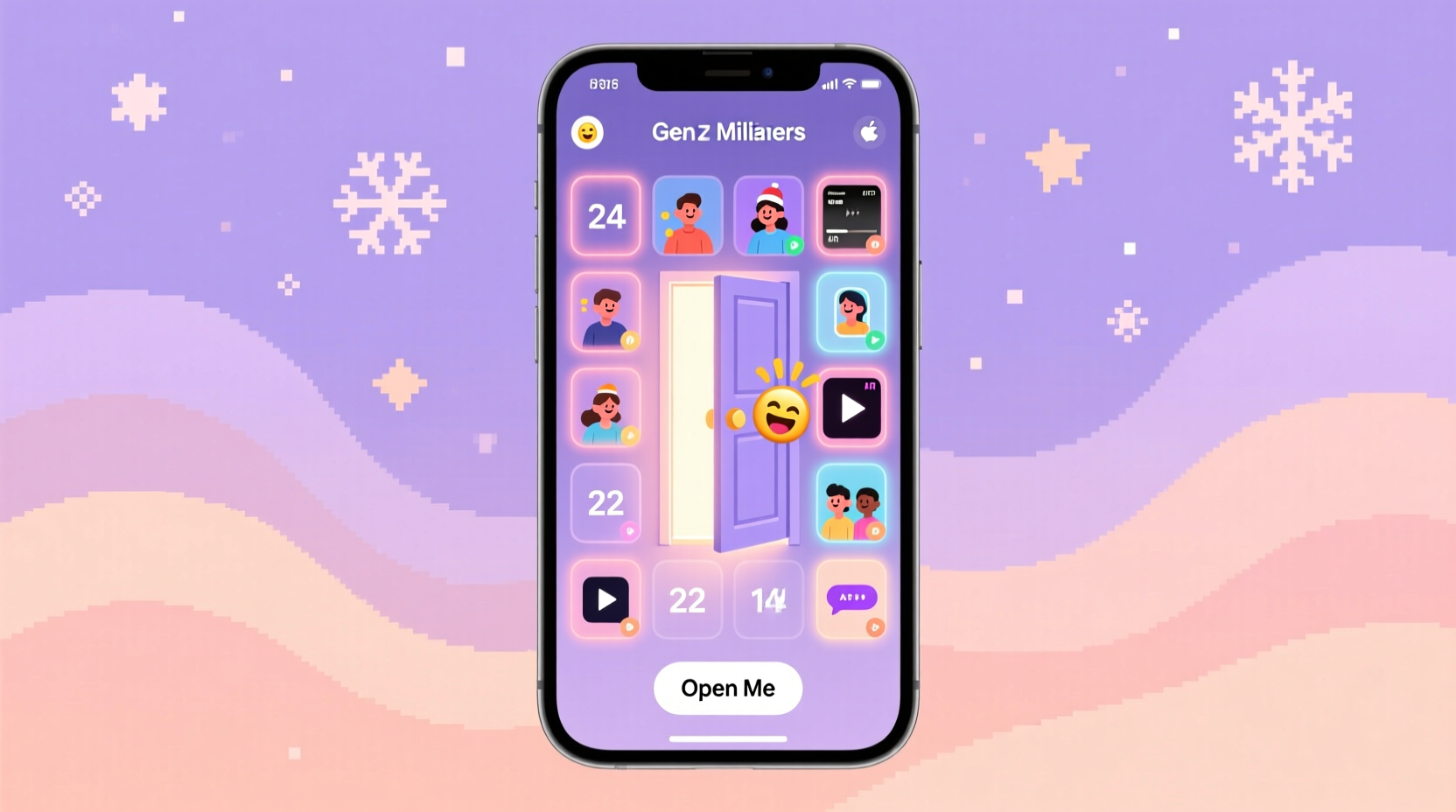
Digital advent calendar apps have capitalized on these preferences. Instead of chocolate or cardboard cutouts, users unlock videos, music tracks, mindfulness exercises, exclusive discounts, or even virtual gifts each day. Platforms like Spotify, Headspace, and Adobe have launched branded versions, turning the calendar into both a marketing tool and a personalized experience. These aren’t just replacements—they’re upgrades tailored to adult interests and digital lifestyles.
Why Millennials Are Switching
Several factors explain the growing popularity of digital advent calendars among millennials:
- Sustainability concerns: Physical calendars often involve single-use packaging, plastic windows, and non-recyclable materials. Many millennials prioritize eco-conscious consumption, making disposable products less appealing.
- Space efficiency: Urban living means smaller apartments. Storing seasonal decor—or dedicating wall space to a paper calendar—isn’t always practical.
- Customization: Digital platforms allow users to choose themes—from yoga challenges to cocktail recipes—offering relevance that generic chocolate calendars can't match.
- Cost-effectiveness: While premium digital calendars may charge a fee, many are free or offer better long-term value compared to annually purchased physical versions.
- Shareability: Unlocking a digital surprise can be instantly shared on social media, reinforcing connection and community during the holidays.
This isn’t merely about abandoning tradition—it’s about redefining it. As one 32-year-old UX designer from Portland put it: “I loved my childhood chocolate calendar, but now I’d rather open a meditation prompt or a playlist that sets the mood for the day. It feels more intentional.”
Digital vs. Physical: A Practical Comparison
| Feature | Digital Advent Calendar App | Traditional Physical Calendar |
|---|---|---|
| Daily Content Type | Videos, audio, coupons, mini-games, journal prompts | Chocolate, small toys, Bible verses, tea bags |
| Reusability | Yes (annual updates) | No (single-use) |
| Environmental Impact | Low (digital footprint only) | High (paper, plastic, transport emissions) |
| Customization Level | High (user-selectable themes, content types) | Low (pre-filled, fixed design) |
| Social Sharing | Built-in (social media integration) | Manual (photos or stories) |
| Accessibility | Global, instant download | Retail-dependent, shipping delays possible |
Case Study: From Office Tradition to Remote Ritual
In 2019, a marketing team at a mid-sized tech firm in Austin, Texas, had an annual tradition: a giant advent calendar hung in the break room, with each door hiding a quirky office-themed prize—extra vacation minutes, coffee gift cards, or silly hats. When the pandemic hit and employees shifted to remote work, the ritual nearly disappeared.
For 2020, HR introduced a digital alternative: a custom-built advent calendar app where employees logged in daily to unlock team trivia, wellness tips, charity donation milestones, and virtual gift cards. Engagement soared—94% of staff participated regularly, compared to 70% in-person participation pre-pandemic. Employees appreciated the flexibility (they could open their door at any time) and the thoughtful content. One employee noted, “It felt more inclusive. My coworker in Denver got the same experience as I did in Austin.”
The company has kept the digital version ever since, even after returning to hybrid work. The physical calendar hasn’t returned—and no one has asked for it.
“Traditions evolve when they serve people better. The digital calendar didn’t erase the spirit of the original—it amplified it through reach, relevance, and resonance.” — Dr. Lena Torres, Organizational Psychologist & Workplace Culture Consultant
How to Choose the Right Format for You
Not every millennial is ready to abandon the tactile joy of peeling back a foil window. Some still buy physical calendars for their kids, partners, or as decorative pieces. The key is intentionality. Ask yourself: What do I want from this experience?
If you value sustainability, variety, and integration with your digital life, a digital calendar is likely the better fit. If sensory engagement—touch, taste, visual display—matters most, a physical version may still hold appeal. Many now blend both: using a digital calendar for personal growth while keeping a chocolate version for family moments.
Step-by-Step Guide: Transitioning to a Digital Advent Calendar
- Reflect on your goals: Do you want relaxation, learning, savings, or fun? Identify what kind of daily reward would feel rewarding.
- Research available apps: Search app stores for “advent calendar” and filter by category (e.g., health, finance, entertainment).
- Check reviews and update frequency: Ensure the app is actively maintained and offers fresh content each year.
- Test before December: Download a few options in November to see which interface you enjoy most.
- Set a daily reminder: Use your phone’s alarm or calendar to build the habit of opening your door at the same time each day.
- Share the experience: Invite friends or family to join you—some apps support group tracking or social sharing.
- Review and reflect: At the end of December, note what worked and what didn’t to improve next year’s choice.
Common Pitfalls to Avoid
Moving to a digital format isn’t without risks. Here are common mistakes and how to sidestep them:
- Overcommitting to too many calendars: It’s tempting to download five different apps—one for fitness, one for shopping deals, one for mindfulness—but juggling them leads to burnout. Stick to one primary calendar.
- Ignoring data privacy: Some apps collect usage data or require social logins. Review permissions and opt for reputable developers.
- Treating it as passive consumption: Swiping open a door without pausing to engage with the content reduces impact. Build in reflection time.
- Forgetting accessibility: Not all digital calendars are screen-reader friendly or color-contrast compliant. Test usability if you or someone you share with has specific needs.
Frequently Asked Questions
Are digital advent calendars only for kids or couples?
No. While early versions targeted families, today’s apps cater to adults across interests—fitness, finance, mental health, productivity, and more. Many are explicitly designed for solo users seeking structure and delight during the busy holiday season.
Can I create my own digital advent calendar?
Yes. Tools like Canva, Google Sites, or specialized platforms like Advently allow users to build custom calendars. You can upload photos, set reminders, and share links with loved ones. It’s a popular option for long-distance relationships or creative professionals.
Do digital calendars lose the “magic” of tradition?
Some argue yes—but others say the magic shifts form. The excitement of discovery remains; it’s simply delivered differently. For many millennials, receiving a curated poem or a rare song remix feels just as special as finding a piece of chocolate. Emotional resonance depends on meaning, not medium.
Checklist: Making the Most of Your Digital Advent Calendar
- ☑ Define your purpose (fun, learning, saving, wellness)
- ☑ Choose one high-quality app aligned with your goal
- ☑ Download and test it before December 1
- ☑ Set a consistent time to open each day’s door
- ☑ Combine it with a small ritual (tea, stretching, gratitude note)
- ☑ Share highlights with friends or on social media (if desired)
- ☑ Reflect at the end of the month on what you gained
Conclusion: Tradition Reimagined, Not Lost
The shift from physical to digital advent calendars among millennials isn’t a rejection of tradition—it’s an evolution. It reflects a generation that honors sentiment but refuses to sacrifice sustainability, personalization, or practicality. Digital apps don’t erase nostalgia; they reinterpret it for modern lives. Whether unlocking a guided meditation, a flash sale, or a memory from a loved one, the core experience remains: daily moments of pause, surprise, and connection during a hectic season.
Ultimately, the best calendar—digital or physical—is the one you’ll actually use, one that adds joy rather than clutter. As technology continues to shape how we celebrate, the question isn’t whether digital will replace physical, but how both can coexist to deepen our sense of anticipation, belonging, and meaning.




 浙公网安备
33010002000092号
浙公网安备
33010002000092号 浙B2-20120091-4
Comments
No comments yet. Why don't you start the discussion?