
Tea service is more than just pouring a cup—it’s an experience. Whether hosting guests or enjoying a quiet moment alone, the tray you use can subtly shape that ritual. But does upgrading to an ornate, high-end tea tray truly enhance your tea time, or is a simple, functional serving tray all you really need? The answer depends on your lifestyle, priorities, and how you define value in everyday objects.
While both basic and fancy trays serve the same core purpose—carrying teaware from one place to another—their differences go beyond appearance. Materials, craftsmanship, durability, and even ergonomics play a role in determining which type fits your needs best.
Understanding the Role of a Tea Tray
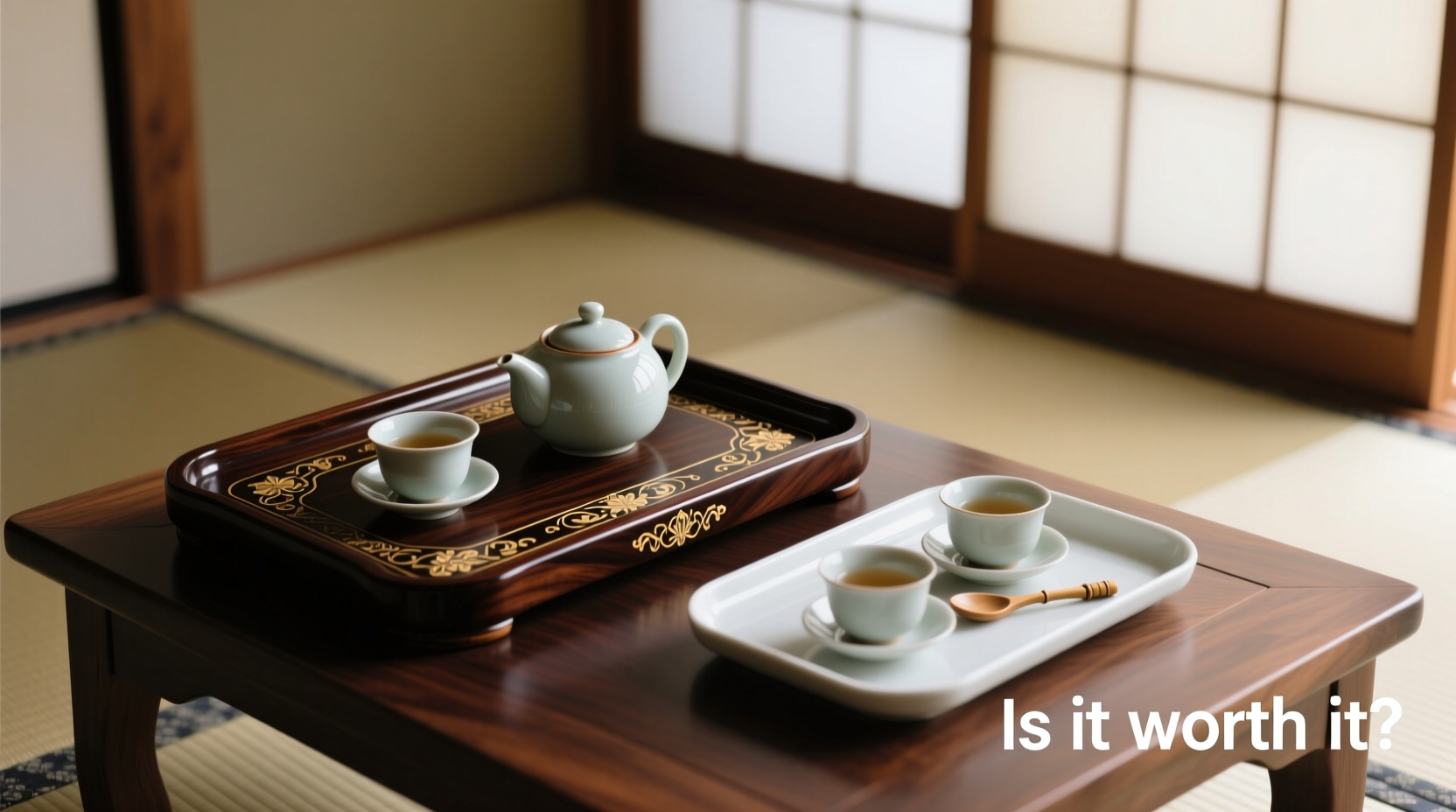
A tea tray isn’t merely decorative; it serves several practical functions:
- Safety: Prevents spills by containing cups, kettles, and sugar bowls.
- Organization: Keeps all elements of tea service within reach and neatly arranged.
- Insulation: Protects surfaces from heat damage caused by teapots or mugs.
- Portability: Makes it easy to move the entire setup without multiple trips.
These benefits apply regardless of whether the tray is minimalist plastic or hand-carved wood with brass inlays. However, the way each tray performs these tasks—and how much pleasure it brings while doing so—varies significantly.
Basic Serving Trays: Practicality First
Basic trays are typically made from lightweight materials like melamine, plastic, stainless steel, or low-cost wood. They’re widely available, affordable (often under $20), and designed for utility rather than elegance.
Advantages include:
- Durability against drops and daily wear
- Easy to clean—many are dishwasher-safe
- Stackable and space-efficient for storage
- Ideal for casual use, kitchens, or households with children
However, they often lack aesthetic refinement. Handles may feel flimsy, edges can be sharp, and designs tend to be generic. For someone who prioritizes function over form, this trade-off makes sense. But if tea is part of a mindful routine or social ritual, a basic tray might fall short in elevating the experience.
Fancy Tea Trays: Craftsmanship and Ceremony
Fancy tea trays—crafted from fine woods, ceramic, lacquered finishes, or artisan metalwork—are investments in ambiance. Priced anywhere from $50 to several hundred dollars, they reflect cultural heritage, design intent, and meticulous attention to detail.
These trays often feature:
- Intricate carvings, inlays, or hand-painted motifs
- Natural materials like walnut, bamboo, or copper
- Ergonomic handles and non-slip surfaces
- Integrated drainage systems (especially in Japanese or Chinese-style trays)
For tea enthusiasts, collectors, or hosts who value presentation, a well-made tray becomes a centerpiece. It invites slowness, appreciation, and intentionality into the act of serving tea.
“Tea is not about extravagance—it’s about harmony. A beautiful tray doesn’t show off wealth; it honors the moment.” — Lin Mei, Tea Master & Cultural Educator
Comparing Value: Function vs. Experience
To determine whether a fancy tea tray is worth it, consider what you're paying for beyond utility. The table below outlines key differences:
| Feature | Basic Serving Tray | Fancy Tea Tray |
|---|---|---|
| Price Range | $5 – $30 | $50 – $300+ |
| Material Quality | Plastic, melamine, stamped metal | Hardwood, ceramic, brass, lacquer |
| Durability | Moderate to high (impact-resistant) | Varies—some delicate, others heirloom-grade |
| Cleaning Ease | Very easy, often dishwasher-safe | Hand-wash only; sensitive to moisture/heat |
| Aesthetic Impact | Minimal | High—can elevate setting instantly |
| Lifespan | 3–5 years with regular use | 10+ years with proper care |
| Best For | Casual use, families, kitchens | Formal gatherings, meditation spaces, gifts |
The data suggests that while basic trays win on convenience and cost, fancy trays offer long-term value through emotional resonance, design integrity, and potential generational use.
Real-Life Scenario: Hosting Sunday Brunch
Sarah hosts monthly brunches for her book club. She used a plain white plastic tray for months—functional but forgettable. After receiving a handcrafted walnut tray as a gift, she noticed subtle shifts in her guests’ behavior. “They paused when I brought it out,” she said. “Someone mentioned how peaceful it felt. One friend even asked where she could get one.”
The tray didn’t change the tea, but it altered the mood. It signaled care, preparation, and respect for the occasion. That single object transformed a routine refreshment into a shared ritual.
When a Basic Tray Is Good Enough
Not every household needs a luxury tea tray. There are clear situations where simplicity wins:
- You serve tea infrequently or only for yourself
- You have limited storage space
- You prioritize low maintenance and durability
- Budget constraints make high-end items impractical
In these cases, a basic tray meets expectations without excess. It's rational, efficient, and perfectly adequate.
When a Fancy Tray Adds Real Value
A premium tea tray shines in contexts where atmosphere matters:
- Entertaining guests regularly – Creates a polished impression.
- Practicing tea ceremonies – Complements traditional rituals like Japanese sado or Chinese gongfu cha.
- Gifting – Artisan trays make meaningful presents for weddings, housewarmings, or retirements.
- Personal mindfulness – Enhances solo tea moments with beauty and intention.
Checklist: Choosing the Right Tea Tray for You
Ask yourself the following before making a purchase:
- How often do I serve tea?
- Do I value aesthetics as much as functionality?
- Will this tray be used daily or occasionally?
- Do I have safe, dry storage for delicate materials?
- Am I buying for myself or as a gift?
- What’s my budget? Can I justify long-term investment?
- Does the tray complement my existing kitchen or dining decor?
If most answers lean toward frequent use, aesthetic appreciation, and ceremonial value, a fancy tray is likely worth the upgrade.
FAQ
Can I use a fancy tea tray every day?
Yes, but it depends on the material. Solid hardwood or enameled metal trays can withstand daily use with proper care. Delicate lacquered or hand-painted pieces are better reserved for special occasions.
Are expensive tea trays harder to clean?
Generally, yes. Most high-end trays require hand-washing and immediate drying to preserve finish and structure. Avoid soaking wooden or lacquered trays, and never put them in the dishwasher.
Do fancy tea trays increase resale or sentimental value?
Artisan or antique trays often gain sentimental value over time. Some vintage models from renowned makers (e.g., Japanese shikki lacquerware) can appreciate in monetary value, especially if well-maintained.
Final Thoughts: Worth It When It Matters
A fancy tea tray isn’t inherently superior to a basic one—it’s superior only when its qualities align with your values. If you cherish ritual, craftsmanship, and the quiet joy of beautiful objects, then yes, it’s worth it. The tray becomes more than a tool; it becomes part of the story you tell through hospitality and self-care.
But if your tea time is fast, functional, and informal, there’s no shame in sticking with a simple tray. Excellence isn’t measured by price tags, but by how well something serves your life.




 浙公网安备
33010002000092号
浙公网安备
33010002000092号 浙B2-20120091-4
Comments
No comments yet. Why don't you start the discussion?