
When it comes to holiday decor, few elements carry as much symbolic weight as the Christmas tree. Beyond lights and ornaments, the finish—whether flocked or frosted—can dramatically shape the ambiance of your home. Flocking and frosting are both techniques used to give artificial trees a wintry, snow-dusted appearance, but they differ significantly in texture, application, longevity, and aesthetic impact. Choosing between them isn’t just about personal taste; it’s also about practicality, maintenance, and how you want your space to feel during the season.
Understanding the distinctions helps ensure your tree not only looks stunning on December 24th but remains a durable part of your annual tradition for years to come. Let’s examine the differences, advantages, drawbacks, and expert recommendations so you can make an informed decision.
What Is Flocking and What Is Frosting?
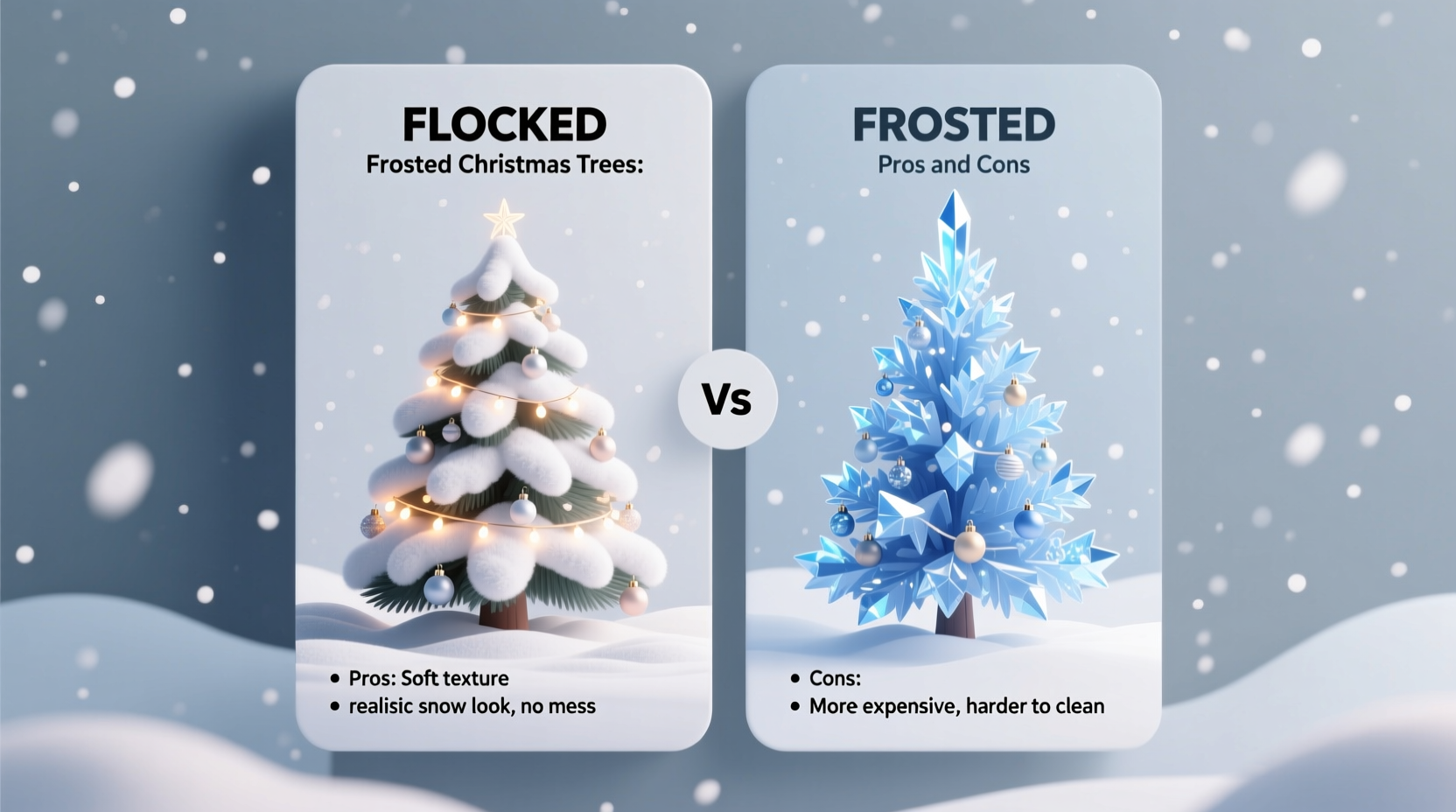
Flocking and frosting are both methods of simulating snow on artificial Christmas trees, but they achieve this through different materials and processes.
Flocking involves applying a fine, textured powder—usually made from cellulose or similar biodegradable materials—to the branches using an adhesive spray. The result is a soft, matte coating that mimics freshly fallen snow clinging to pine boughs. Flocked trees have a more realistic, natural appearance, often evoking images of a forest blanketed in snow.
Frosting, on the other hand, typically refers to a lighter, more crystalline coating. It may be applied with glitter, fine plastic crystals, or a shiny resin-based spray. Unlike flocking, frosting tends to sparkle under light, creating a more glamorous, theatrical effect. Think of it as “glistening ice” rather than “soft snow.”
The distinction might seem subtle, but it affects everything from cleanup to allergen concerns and long-term storage.
Pros and Cons: Flocked Trees
Flocked trees have grown in popularity due to their lifelike winter wonderland appeal. However, like any decor choice, they come with trade-offs.
Advantages of Flocked Trees
- Realistic Appearance: The matte, textured finish closely resembles actual snow accumulation on evergreen branches.
- Versatile Styling: Works well with rustic, traditional, or woodland-themed decorations. Pairs beautifully with warm white lights and natural ornaments.
- Dust Resistance (Initially): The adhesive base can help trap dust during off-season storage if properly covered.
- Uniform Coverage: Factory-flocked trees offer consistent application without patchiness.
Drawbacks of Flocked Trees
- Shedding Over Time: As the adhesive degrades, flocking can flake off onto furniture, carpets, or gifts—especially when handling or assembling the tree.
- Difficult to Clean: You can't vacuum or wipe down flocked branches without risking damage to the coating.
- Allergen Risk: Some flocking materials may trigger sensitivities in individuals with respiratory conditions, especially if particles become airborne.
- Irreversible Modification: Once flocked, the tree cannot easily return to its original state.
“Flocked trees create an immersive seasonal atmosphere, but buyers should consider long-term care. Shedding is inevitable after several seasons, even with high-quality materials.” — Daniel Reeves, Holiday Decor Specialist at Evergreen Home Accents
Pros and Cons: Frosted Trees
Frosted trees take a different approach to winter aesthetics, favoring shine over subtlety. They’re particularly popular in modern or glam-themed interiors.
Advantages of Frosted Trees
- Sparkling Effect: Reflective frost adds shimmer and depth, enhancing light displays and making ornaments stand out.
- Less Shedding: High-quality frost coatings—especially those baked into the branch material—are more durable and less prone to flaking.
- Easier Maintenance: Can often be gently wiped or dusted without damaging the finish.
- Allergy-Friendly Options: Many frosted trees use non-particle-based finishes, reducing airborne irritants.
Drawbacks of Frosted Trees
- Less Realistic: The glossy, glittery look can appear artificial or overly festive, which may clash with minimalist or nature-inspired themes.
- Can Look Dated: Over time, especially with cheaper models, the frost may yellow or lose luster, giving the tree a worn appearance.
- Limited Color Range: Most frosted trees come in silver, white, or icy blue tones, offering less flexibility in color coordination.
- Reflection Interference: The shine can compete with lights and reflective ornaments, potentially creating visual clutter.
Comparative Overview: Flocked vs. Frosted Trees
| Feature | Flocked Tree | Frosted Tree |
|---|---|---|
| Aesthetic | Natural, snowy, rustic | Glamorous, icy, sparkly |
| Realism | High | Low to Moderate |
| Shedding | Moderate to High | Low (if factory-treated) |
| Cleanability | Poor – risk of damaging coating | Good – can be lightly wiped |
| Allergen Risk | Higher (airborne particles) | Lower (non-particulate options) |
| Lifespan of Finish | 3–5 years before noticeable flaking | 5+ years with proper care |
| Style Flexibility | Best with warm, earthy themes | Suits modern, glam, or icy palettes |
How to Choose Based on Your Lifestyle
Your ideal tree depends not just on aesthetics but on how you live. Consider these factors when deciding between flocked and frosted options.
Family Homes with Kids or Pets
If you have young children or pets who might touch or bump the tree, a frosted model is generally safer. Flocking can shed small particles that end up on floors or hands, which could be ingested or tracked around. Additionally, some flocking compounds contain mild irritants.
Allergy or Asthma Concerns
Respiratory sensitivity is a major consideration. While neither option is inherently hypoallergenic, frosted trees—particularly those with sealed, non-particle finishes—tend to release fewer airborne particulates. Avoid DIY flocking sprays, which often contain formaldehyde or other volatile compounds.
Decor Theme and Lighting
Match your tree to your overall design scheme. A flocked tree pairs beautifully with:
- Warm white or amber lights
- Woodland creatures, pinecones, and burlap ornaments
- Neutral or earth-toned room palettes
A frosted tree complements:
- Cool white or multicolor LED lights
- Glass, crystal, or metallic ornaments
- Modern, Scandinavian, or wintery color schemes (blues, silvers, whites)
Budget and Longevity
Pre-flocked trees often cost 20–30% more than standard models. However, DIY flocking kits are available for $20–$40. While this seems economical, amateur applications frequently result in uneven coverage and accelerated shedding. For long-term value, a high-quality frosted tree may offer better durability and lower maintenance costs over time.
Mini Case Study: The Thompson Family’s Holiday Upgrade
The Thompsons had used the same basic green artificial tree for over a decade. In 2021, they decided to elevate their decor with a flocked model to match their newly renovated cabin-style living room. They purchased a premium 7-foot pre-flocked tree with a snow-tip finish.
First season: breathtaking. The tree looked like it was photographed for a catalog, especially with warm string lights and handmade ornaments. Guests consistently commented on its realism.
Second season: minor shedding began near the trunk area during assembly. They noticed small gray specks on the tree skirt.
Third season: increased flaking, particularly after moving the tree from storage. One branch lost nearly all its flocking. Vacuuming caused more fallout, so they stopped cleaning it altogether.
In 2024, they switched to a frosted tree with a crystalline sheen. Though less “natural,” it required no special handling, held up well in storage, and still delivered a festive glow. Their takeaway? “We loved the look of flocking, but the upkeep wasn’t worth it for how often we use the tree.”
Step-by-Step Guide: Maintaining Your Flocked or Frosted Tree
No matter which type you choose, proper care extends its life and preserves its appearance.
- Unpack Carefully: Remove sections slowly to avoid breaking coated tips. Support branches while lifting.
- Dust Before Assembly (If Possible): Use a soft brush or compressed air on frosted trees. Avoid this step for flocked trees unless absolutely necessary.
- Assemble on a Protective Surface: Lay down a sheet or large trash bag to catch any loose particles during setup.
- Add Lights First: Weave lights through branches gently to prevent snagging or dislodging coating.
- Holiday Monitoring: Check weekly for excessive shedding or damage, especially if pets or kids are nearby.
- Disassemble Gently: Work from top to bottom, folding branches inward to minimize stress on coated areas.
- Clean Only If Needed: For frosted trees, use a microfiber cloth slightly dampened with water. Never spray liquid directly on either type.
- Store Properly: Use a padded tree bag with individual branch compartments. Keep in a cool, dry place away from rodents or moisture.
FAQ
Can I turn a regular tree into a flocked or frosted one?
Yes, DIY kits are available for both. Flocking sprays apply a textured layer but require ventilation and drying time. Frosting kits often use glitter glue or fine powders. However, homemade versions rarely match factory durability and may void warranties on artificial trees.
Which type lasts longer?
Frosted trees generally maintain their appearance longer. Factory-applied frost resists wear better than flocking, which degrades with exposure to humidity and physical contact. With proper storage, a frosted tree can look good for 7–10 years; flocked trees typically show significant wear after 4–5 seasons.
Are there eco-friendly options?
Some brands now offer biodegradable flocking made from recycled paper and non-toxic adhesives. Frosting, when done with non-plastic crystalline materials, can also be more sustainable. Look for certifications like “non-toxic” or “low-VOC” when purchasing.
Final Recommendation: Which Should You Choose?
The answer depends on your priorities. If you value authenticity, a cozy atmosphere, and don’t mind some extra care, a flocked tree delivers unmatched seasonal charm. But if you want low maintenance, lasting shine, and family-friendly durability, a frosted tree is likely the smarter investment.
Many decorators now opt for a middle ground: a high-quality green tree with selective snow-tipped branches or removable flocking accessories. This allows flexibility year after year.




 浙公网安备
33010002000092号
浙公网安备
33010002000092号 浙B2-20120091-4
Comments
No comments yet. Why don't you start the discussion?