
Winter brings crisp air and snowy landscapes, but for many puppies, it also means discomfort, shivering, and even health risks from prolonged cold exposure. While some breeds thrive in low temperatures thanks to thick double coats, others—especially small, short-haired, or young dogs—are vulnerable to the cold. A well-chosen winter coat isn’t just a fashion statement; it’s a necessity for maintaining your puppy’s body temperature, protecting their joints, and ensuring outdoor time remains safe and enjoyable. Selecting the right coat involves more than picking the cutest design—it requires understanding your puppy’s size, breed, activity level, and climate conditions.
Assess Your Puppy’s Cold Weather Needs
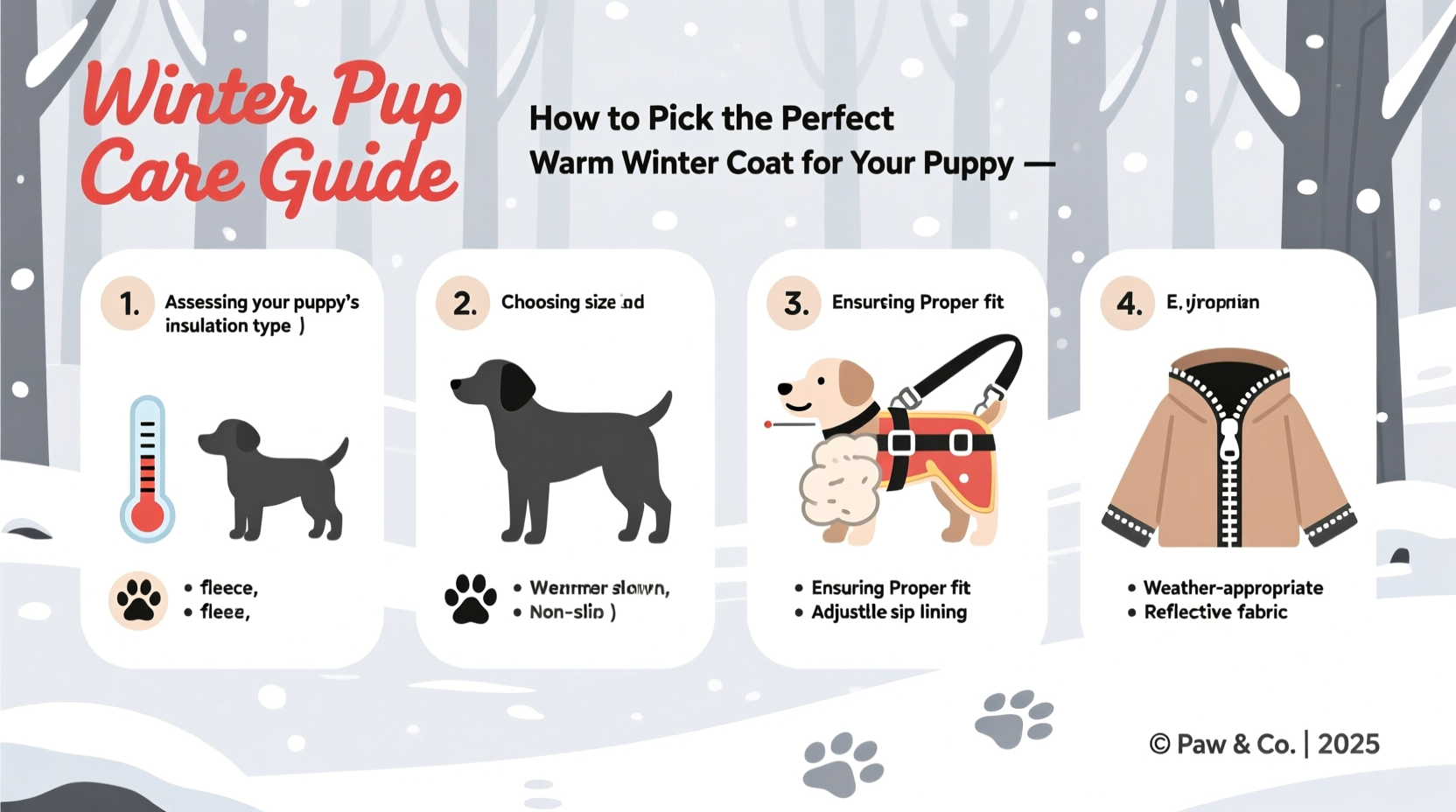
Not every puppy needs a coat, but knowing when one is essential can prevent unnecessary stress or illness. Puppies under six months have underdeveloped thermoregulation systems, making them especially sensitive to temperature changes. Small breeds like Chihuahuas, Yorkshire Terriers, and toy poodles lose heat quickly due to their high surface-area-to-body-mass ratio. Similarly, hairless breeds such as the Xoloitzcuintli or Chinese Crested require full coverage in cold weather.
Even larger breeds with thin coats—like Greyhounds or Boxers—can suffer in freezing temperatures. Signs your puppy may need a coat include shivering, reluctance to go outside, lifting paws frequently, or seeking warmth immediately upon returning indoors.
“Puppies are more susceptible to hypothermia than adult dogs. A properly fitted coat can be a critical layer of defense.” — Dr. Lena Torres, DVM, Small Animal Specialist
Key Features of an Effective Winter Coat
A quality puppy winter coat should balance warmth, mobility, and durability. Look for these non-negotiable features:
- Insulation material: Fleece, thermal polyester, or down blends retain heat without adding bulk.
- Water resistance: A windproof and water-resistant outer shell prevents snow and slush from soaking through.
- Full belly coverage: Coats that extend under the chest protect vital organs and keep the abdomen warm.
- Adjustable fit: Elastic straps, Velcro closures, or snap buttons allow for a snug yet flexible fit as your puppy grows.
- Neck and tail coverage: High collars block cold air, while some designs include a tail flap for added protection.
- Reflective elements: Essential for visibility during early morning or evening walks.
Avoid overly bulky designs that restrict movement or cause overheating during active play. The coat should allow full range of motion for walking, running, and squatting to relieve themselves.
Step-by-Step Guide to Choosing the Right Size and Fit
Finding the correct size is crucial—too tight, and the coat will chafe or limit circulation; too loose, and cold air will seep in. Follow this measurement process:
- Measure the back length: From the base of the neck (where the collar sits) to the base of the tail. Use a soft tape measure along the spine.
- Measure the chest girth: Wrap the tape around the widest part of the chest, just behind the front legs. Ensure two fingers can fit beneath the tape for comfort.
- Check the neck circumference: Especially important for high-collar styles.
- Consult the brand’s size chart: Sizes vary widely between manufacturers. Never assume “medium” means the same across brands.
- Try it on: Fasten all closures and observe your puppy moving. There should be no pulling at the shoulders or gaping at the sides.
Breed-Specific Considerations and Real-World Example
Different breeds present unique fitting challenges. For example, Dachshunds have long backs and short legs, requiring extra-length coats that cover from neck to tail without riding up. Bulldogs have broad chests and short necks, so traditional zip-up styles may not fit—opt for side-fastening or wrap-around designs.
Mini Case Study: Sarah adopted a 12-week-old Miniature Schnauzer named Milo in November. Living in Minnesota, where winter lows reach -20°F (-29°C), she noticed Milo hesitating at the door and tucking his tail during potty breaks. After measuring him carefully, she chose a waterproof, fleece-lined coat with a high neck and full belly wrap. Within days, Milo was confidently trotting through snowdrifts. The coat also featured a leash hole, allowing her to attach the harness underneath—eliminating bulk and chafing.
For active breeds like Border Collies or Australian Shepherds, consider lightweight performance coats that wick moisture during high-energy outdoor sessions. Senior puppies or those with joint issues benefit from neoprene-lined coats that provide gentle compression and warmth.
Do’s and Don’ts: Coats Comparison Table
| Feature | Do | Don't |
|---|---|---|
| Fabric | Water-resistant outer + soft inner lining (e.g., fleece) | Cotton-only fabrics that absorb moisture |
| Fit | Snug but allows full movement; adjustable straps | Coats that gap at the neck or ride up under legs |
| Design | Full belly coverage, high collar, leash access | Short jackets that leave the abdomen exposed |
| Maintenance | Machine washable, quick-drying materials | Non-removable liners or dry-clean-only coats |
| Usage | Remove after coming inside to prevent overheating | Leaving the coat on for extended indoor periods |
Frequently Asked Questions
How do I know if my puppy is too hot in their coat?
Panting, restlessness, or excessive licking are signs of overheating. Even in winter, active puppies generate body heat. Remove the coat within 10–15 minutes of returning indoors and monitor for dampness underneath, which indicates trapped sweat.
Can I use a human child’s jacket for my puppy?
No. Human garments aren’t designed for quadruped anatomy. They restrict shoulder movement, shift during walking, and often lack openings for leashes or harnesses. Always choose dog-specific apparel.
How often should I replace my puppy’s winter coat?
Most puppies outgrow their coat within 4–6 months. Inspect monthly for tightness, fraying, or reduced insulation. Replace promptly if the coat no longer covers the torso fully or shows wear at stress points like seams.
Final Checklist Before Buying
- ✅ Measured back length and chest girth accurately
- ✅ Confirmed the coat is suitable for your puppy’s breed and build
- ✅ Checked for water-resistant and windproof materials
- ✅ Ensured full belly and chest coverage
- ✅ Verified compatibility with harness and leash setup
- ✅ Selected a model with reflective strips for safety
- ✅ Confirmed care instructions (machine washable preferred)
Conclusion
Choosing the perfect winter coat for your puppy is an act of care that combines practicality with love. It’s not about style alone—it’s about ensuring your pup stays warm, dry, and mobile during the coldest months. By understanding your puppy’s physical needs, measuring precisely, and selecting functional features, you give them the freedom to explore winter safely. A well-fitted coat supports healthy development, prevents stress-related behaviors, and strengthens your bond through confident outdoor adventures.




 浙公网安备
33010002000092号
浙公网安备
33010002000092号 浙B2-20120091-4
Comments
No comments yet. Why don't you start the discussion?