
For many, a heated blanket is more than a winter luxury—it’s a necessity. Whether battling chronic pain, seeking comfort during cold nights, or managing circulation issues, electric blankets offer soothing warmth. But as cozy as they feel, a common question lingers: can you safely leave one on all night? With growing concerns about fire hazards, overheating, and long-term health effects, it's worth examining what modern research and safety standards say about extended use.
While newer models come equipped with advanced safety mechanisms, not all heated blankets are created equal. Understanding how they work, which features matter most, and who should exercise caution can make the difference between restful sleep and preventable risk.
How Heated Blankets Work and Their Safety Evolution
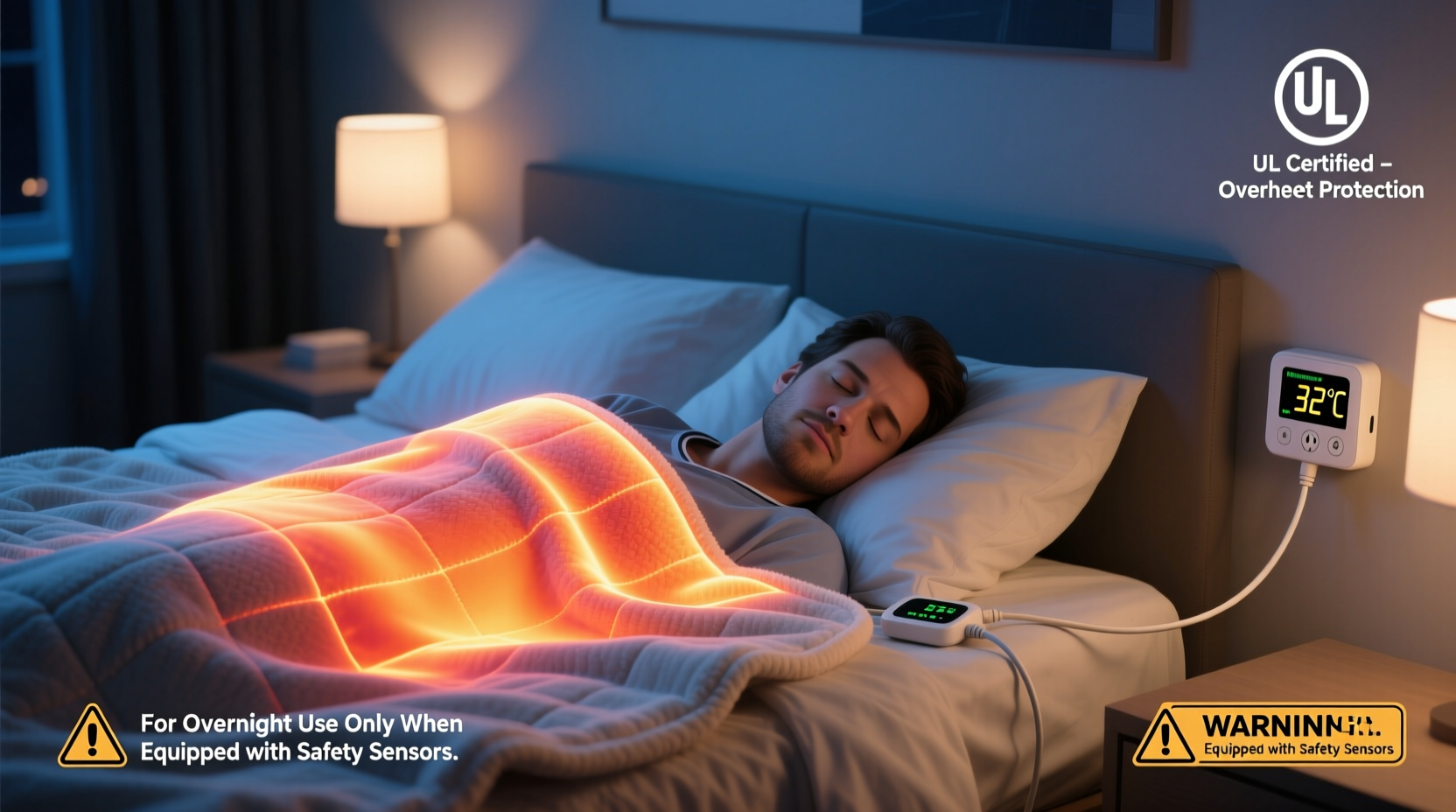
Heated blankets generate warmth through thin wires or carbon fiber elements woven into the fabric. When plugged in, an electrical current passes through these conductive materials, producing heat that radiates across the surface. Older models from decades past relied on less regulated technology, increasing the likelihood of hotspots, short circuits, and even fires.
Today’s designs have evolved significantly. Most modern heated blankets incorporate automatic shut-off timers (typically 8–12 hours), overheat protection, dual thermostats, and low-voltage systems. These improvements stem from stricter regulations by organizations like Underwriters Laboratories (UL) and the Consumer Product Safety Commission (CPSC). As a result, the risk of malfunction has dropped dramatically—provided the blanket meets current safety standards.
Still, misuse remains a factor. A blanket that’s folded, tucked under body weight, or used beyond its lifespan increases the chance of wire damage and localized overheating. The key isn’t just the device itself but how it’s used and maintained over time.
“Modern heated blankets with auto-shutoff and overheat sensors are generally safe for overnight use—but only if they’re in good condition and used according to manufacturer guidelines.” — Dr. Linda Nguyen, Sleep Medicine Specialist
Key Risks of Using a Heated Blanket All Night
Despite technological advances, several potential dangers persist, especially when precautions are ignored.
Fire Hazard from Damaged Wiring
Frayed cords, exposed wires, or internal breaks caused by folding or frequent washing can lead to sparks or ignition. According to the National Fire Protection Association (NFPA), heating equipment—including electric blankets—accounts for roughly 50,000 home fires annually in the U.S., with older units posing higher risks.
Overheating and Burns
Prolonged exposure to high temperatures—even at levels that don’t seem extreme—can cause “erythema ab igne,” a mottled skin discoloration resulting from repeated heat exposure. In sensitive individuals, particularly those with diabetes or neuropathy, this may go unnoticed until tissue damage occurs.
Battery-Powered Models and Overcharging
Newer rechargeable heated blankets offer portability but introduce new concerns. If left charging unattended or using non-certified chargers, lithium-ion batteries can overheat, swell, or in rare cases, catch fire.
Impact on Sleep Quality
While warmth helps initiate sleep, excessive heat disrupts the body’s natural cooling process during REM cycles. Some users report night sweats, dehydration, or restless sleep when using high settings throughout the night.
Safety Features That Make Overnight Use Possible
Not all heated blankets are suitable for sleeping. However, certain built-in protections reduce risk enough to allow safe overnight operation.
| Feature | Function | Why It Matters |
|---|---|---|
| Auto Shut-Off | Turns off after 8–12 hours | Prevents indefinite operation; ideal for bedtime routines |
| Overheat Protection | Shuts down if internal temp exceeds safe limit | Mitigates fire risk from malfunction or blockage |
| Dual Thermostats | Monitors both controller and blanket temperature | Reduces chance of inaccurate readings leading to overheating |
| Low Voltage Design | Operates below standard household voltage | Lowers electrical hazard and energy consumption |
| UL/ETL Certification | Meets independent safety testing standards | Ensures compliance with national electrical codes |
When shopping for a model intended for nightly use, prioritize products explicitly labeled “safe for overnight use” and bearing certification marks from UL, ETL, or CSA. Avoid generic brands without verifiable testing history.
Who Should Avoid All-Night Use?
Even with top-tier safety features, some individuals face greater risks and should reconsider continuous use.
- Infants and young children: Their thinner skin and inability to adjust settings independently increase burn risk.
- Elderly adults: Diminished sensitivity to heat can delay recognition of discomfort or burns.
- People with diabetes or nerve damage: Reduced sensation in extremities means they may not notice dangerous heat buildup.
- Individuals with mobility limitations: Difficulty adjusting or removing the blanket heightens danger if overheating occurs.
- Pregnant women: While occasional warming is fine, sustained core temperature elevation (above 102°F/39°C) may affect fetal development, especially in early pregnancy.
In such cases, pre-warming the bed before getting in—and turning the blanket off once asleep—is a safer alternative.
Mini Case Study: A Preventable Burn Incident
Martha, a 68-year-old woman with mild peripheral neuropathy due to diabetes, used a five-year-old heated blanket every winter. She often slept with it on high all night, despite visible wear along the edges. One January morning, she noticed red, net-like patches on her thighs—later diagnosed as erythema ab igne. Her doctor explained that prolonged contact with moderate heat had damaged capillaries beneath the skin. After switching to a newer model with auto-shutoff and limiting use to pre-warming, her symptoms resolved within weeks.
This case underscores two critical points: aging devices lose reliability, and underlying health conditions amplify risk even at seemingly safe temperatures.
Best Practices for Safe, Long-Term Use
To maximize safety and longevity, follow a structured routine for operating and maintaining your heated blanket.
- Inspect regularly: Check for frayed wires, scorch marks, stiff areas, or inconsistent heating.
- Follow washing instructions: Most modern blankets are machine-washable, but only if unplugged and detached from the controller. Hand-washing is often recommended.
- Avoid folding or tucking: Do not crease the blanket sharply, as this damages embedded wires. Instead, drape it loosely over the bed.
- Use only as directed: Never place under another person or pet, and avoid using with electric mattress pads simultaneously.
- Replace every 5–7 years: Even well-maintained units degrade over time. Worn insulation and weakened connections increase failure risk.
- Plug directly into wall outlet: Avoid extension cords or power strips, which may overheat or interfere with thermostat function.
Step-by-Step Guide: Using a Heated Blanket Safely Overnight
If you decide to use your blanket while sleeping, follow this sequence to minimize risk:
- Confirm compatibility: Ensure the product manual states it's approved for all-night use.
- Set up correctly: Lay the blanket flat over your fitted sheet, not underneath it.
- Pre-warm the bed: Turn on the blanket 15–30 minutes before bedtime at medium heat. <4> Adjust before sleep: Lower the setting to low or warm (not high) before lying down.
- Enable auto-shutoff: Set the timer to match your average sleep duration (e.g., 10 hours).
- Monitor initial response: During the first few nights, wake briefly to check comfort and ensure no unusual smells or sounds occur.
- Perform monthly checks: Run hands over the surface to detect hotspots or irregular textures.
This method balances comfort with caution, allowing warmth without sustained high exposure.
Checklist: Is Your Heated Blanket Safe for Overnight Use?
- ✅ Model is less than 5 years old
- ✅ Has auto shut-off feature (minimum 8-hour timer)
- ✅ Bears UL, ETL, or CSA certification label
- ✅ No visible damage to cord, plug, or fabric
- ✅ Not used with other heating devices (e.g., hot water bottle)
- ✅ You do not have reduced sensitivity to heat
- ✅ Washed and stored according to manufacturer instructions
If any item is unchecked, consider upgrading your blanket or adjusting usage habits.
Frequently Asked Questions
Can I leave a heated blanket on all night if it has auto shut-off?
Yes—provided it’s a newer, certified model. Auto shut-off significantly reduces risk by limiting runtime. However, inspect the unit regularly and never override the timer function.
Are there health benefits to using a heated blanket?
Yes. Studies show that mild heat therapy improves circulation, eases muscle stiffness, and may enhance sleep onset by helping the body reach optimal core temperature faster. However, benefits diminish if heat is excessive or poorly regulated.
What should I do if my heated blanket smells like burning?
Unplug it immediately and do not use again. A burning odor indicates internal wire damage or insulation breakdown. Dispose of the unit safely and replace it with a certified model.
Conclusion: Balancing Comfort and Caution
A heated blanket can be a safe companion through cold nights—if chosen wisely and used responsibly. Modern engineering has made overnight use far more secure than in previous decades, but vigilance remains essential. Prioritize certified models with auto shut-off and overheat protection, inspect your blanket regularly, and know when personal health factors call for extra caution.
For most healthy adults, using a well-maintained, up-to-date heated blanket on a low setting with automatic shutoff poses minimal risk. But safety isn't just about the product—it's about habits. Replace aging units, avoid misuse, and listen to your body’s signals. Warmth should enhance rest, not endanger it.




 浙公网安备
33010002000092号
浙公网安备
33010002000092号 浙B2-20120091-4
Comments
No comments yet. Why don't you start the discussion?