
As winter temperatures drop, many people look for efficient ways to stay warm without cranking up the thermostat. Heated blankets have surged in popularity as a cozy, energy-efficient alternative. But with increased use comes an important question: Is it safe to use a heated blanket every night? And more practically—can this simple device actually help lower your monthly heating bills? The answer isn’t just yes or no; it depends on the model, usage habits, and personal health considerations. This article dives deep into the safety, efficiency, and real-world benefits of nightly heated blanket use, backed by expert insights and practical advice.
Safety of Nightly Heated Blanket Use
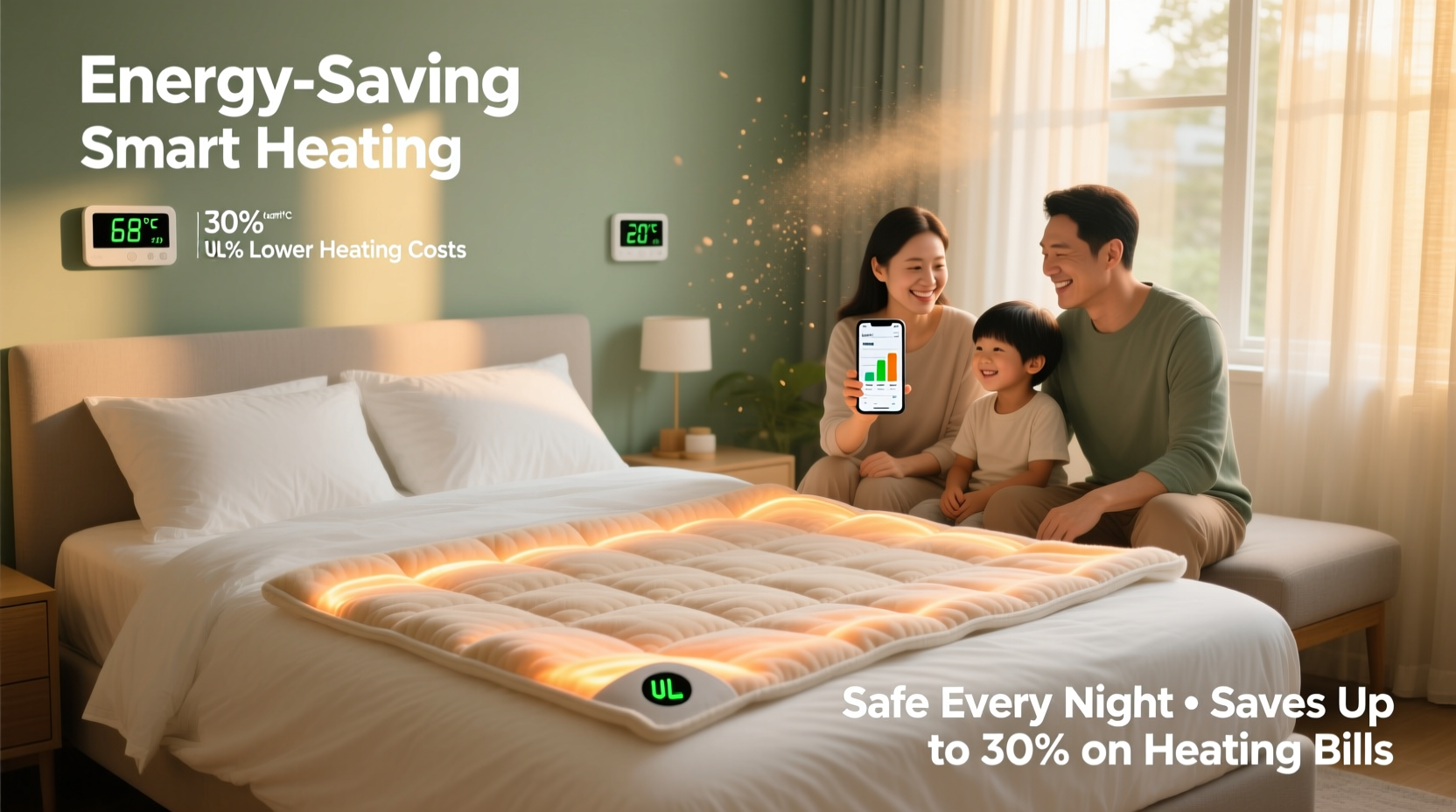
Modern heated blankets are engineered with multiple safety features that make them suitable for regular, even nightly, use—provided they are used correctly. Older models from decades past carried higher risks due to less advanced wiring and temperature regulation. Today’s electric blankets, especially those certified by Underwriters Laboratories (UL) or ETL, include overheat protection, auto-shutoff functions, and low-voltage designs that significantly reduce fire and burn hazards.
According to Dr. Linda Chen, a sleep specialist at the National Sleep Foundation, “For most healthy adults, using a modern heated blanket on low or medium settings overnight is generally safe. The key is choosing a newer model with built-in timers and temperature controls.”
“Always check for certification labels and avoid folding or bunching the blanket during use, which can create hot spots.” — Dr. Linda Chen, Sleep Specialist
However, certain individuals should exercise caution. People with diabetes, circulatory issues, or neuropathy may not feel excessive heat, increasing the risk of burns. Similarly, elderly users and young children should use heated blankets under supervision or opt for low-risk alternatives like heated mattress pads, which distribute heat more evenly and are less likely to overheat.
How Heated Blankets Work and Their Energy Efficiency
Unlike central heating systems that warm entire rooms or homes, heated blankets deliver warmth directly to the body. This targeted approach means they consume far less energy. Most standard electric blankets use between 60 and 100 watts per hour—comparable to a bright incandescent light bulb. In contrast, space heaters typically draw 750 to 1500 watts, and furnaces use thousands of watts depending on size and runtime.
If you lower your home’s thermostat by just 5–10 degrees and rely on a heated blanket for personal warmth, you can achieve significant energy savings. The U.S. Department of Energy estimates that reducing your thermostat by 7–10°F for 8 hours a day can cut heating bills by up to 10% annually.
| Heating Method | Average Wattage | Estimated Cost (8 hrs @ $0.13/kWh) |
|---|---|---|
| Electric Blanket (Medium Heat) | 80 watts | $0.08 per night |
| Space Heater | 1,000 watts | $1.04 per night |
| Furnace (Gas, avg. use) | N/A (gas-based) | $1.50–$3.00 per day |
| Heated Mattress Pad | 70 watts | $0.07 per night |
The data shows that running a heated blanket overnight costs less than ten cents, while relying on auxiliary heating methods quickly adds up. Over a three-month winter season, using a heated blanket instead of a space heater could save over $80 in electricity alone.
Real-World Example: Sarah’s Winter Heating Strategy
Sarah Thompson, a freelance writer living in Vermont, decided to test the cost-effectiveness of heated blankets after receiving a high heating bill in January. She lowered her thermostat from 70°F to 62°F at night and began using a dual-control heated blanket on her bed. She also encouraged her partner to do the same.
Over the next two months, Sarah tracked her energy usage. Her electric bill dropped by 18%, saving her $42 compared to the previous winter months. More importantly, both she and her partner reported better sleep quality, attributing it to consistent warmth without overheating. “I used to wake up sweating from the furnace kicking in,” she said. “Now I stay warm just where I need it—and my toes finally stop freezing.”
Sarah’s experience reflects a growing trend among energy-conscious households: personal microclimate control. Instead of heating unused spaces, people are focusing on warming only themselves, using smart devices like heated blankets, heated clothing, and programmable bedding.
Best Practices for Safe and Efficient Use
To maximize both safety and savings, follow these evidence-based guidelines when using a heated blanket every night:
- Choose a modern, certified model. Look for UL, ETL, or CSA certification, which ensures the product meets strict electrical and fire safety standards.
- Use the timer function. Set the blanket to turn off after you fall asleep (typically 1–3 hours). This reduces prolonged exposure and energy use.
- Lay it flat—never fold or tuck tightly. Folding can trap heat and damage internal wires, increasing fire risk.
- Layer it correctly. Place the heated blanket over you, not under you, to prevent pressure on the heating elements.
- Avoid use with pets. Claws can puncture wires, creating a shock or fire hazard.
- Store it properly during off-seasons. Roll it loosely and keep it in a dry place—never fold sharply.
Checklist: Preparing Your Heated Blanket for Nightly Use
- ✔ Inspect for visible damage (fraying, scorch marks, exposed wires)
- ✔ Confirm auto-shutoff feature is enabled
- ✔ Plug directly into wall outlet (avoid extension cords)
- ✔ Wash according to manufacturer instructions (if machine washable)
- ✔ Test heat levels before bedtime to avoid overheating
- ✔ Keep away from water or humid environments
When to Avoid Using a Heated Blanket Every Night
While heated blankets are safe for most users, there are specific medical and situational conditions where nightly use is discouraged:
- Pregnancy: Some doctors advise against prolonged heat exposure during pregnancy, as elevated core temperatures may affect fetal development.
- Diabetes or nerve damage: Reduced sensation increases the risk of unnoticed burns.
- Immobility: Individuals who cannot reposition themselves easily (e.g., due to injury or disability) should consult a healthcare provider.
- Older models: Blankets manufactured before 2010 may lack modern safety features and should be replaced.
In such cases, consider safer alternatives like heated mattress pads, which provide even warmth with fewer contact points, or infrared heating panels that warm the body without direct electrical components near the skin.
Frequently Asked Questions
Can I leave my heated blanket on all night?
Yes, if it’s a modern model with an auto-shutoff feature. However, for optimal safety, set it to turn off after 1–3 hours. You’ll stay warm through the night without unnecessary energy use or risk.
Do heated blankets really save money on heating bills?
Yes. By lowering your home’s thermostat and using a heated blanket for personal warmth, you can reduce heating costs by 10% or more. Since blankets use minimal electricity, the savings add up over time, especially in colder climates.
Are heated blankets safe for seniors?
They can be, but with precautions. Seniors with sensitive skin, poor circulation, or reduced mobility should use low heat settings and limit duration. Heated mattress pads are often a safer choice for older adults.
Final Thoughts: Balancing Safety, Comfort, and Savings
Using a heated blanket every night is not only safe for most people—it can also be a smart financial decision. Modern designs prioritize user safety with advanced sensors and automatic shutoffs, while their energy efficiency makes them a cost-effective complement to traditional heating. When paired with a slightly cooler bedroom, a heated blanket allows you to enjoy personalized warmth without wasting energy on empty rooms.
The key is informed usage. Choose certified products, inspect them regularly, and follow best practices to avoid risks. Whether you live in a drafty apartment or simply want to reduce your carbon footprint, a heated blanket offers a practical solution that combines comfort, safety, and sustainability.




 浙公网安备
33010002000092号
浙公网安备
33010002000092号 浙B2-20120091-4
Comments
No comments yet. Why don't you start the discussion?