
Choosing the right chest bag isn’t just about style—it’s about function, comfort, and lifestyle alignment. With trends pushing both minimalist sling bags and bulky multi-compartment packs, many are left wondering: is a large chest bag too much, or does a small one simply fall short when you’re on the move? To answer this, we gathered insights from travelers, urban commuters, outdoor enthusiasts, and everyday carry experts who’ve tested both extremes. Their experiences reveal that the “right” size depends less on fashion and more on how you live.
The Rise of the Chest Bag—and the Size Dilemma
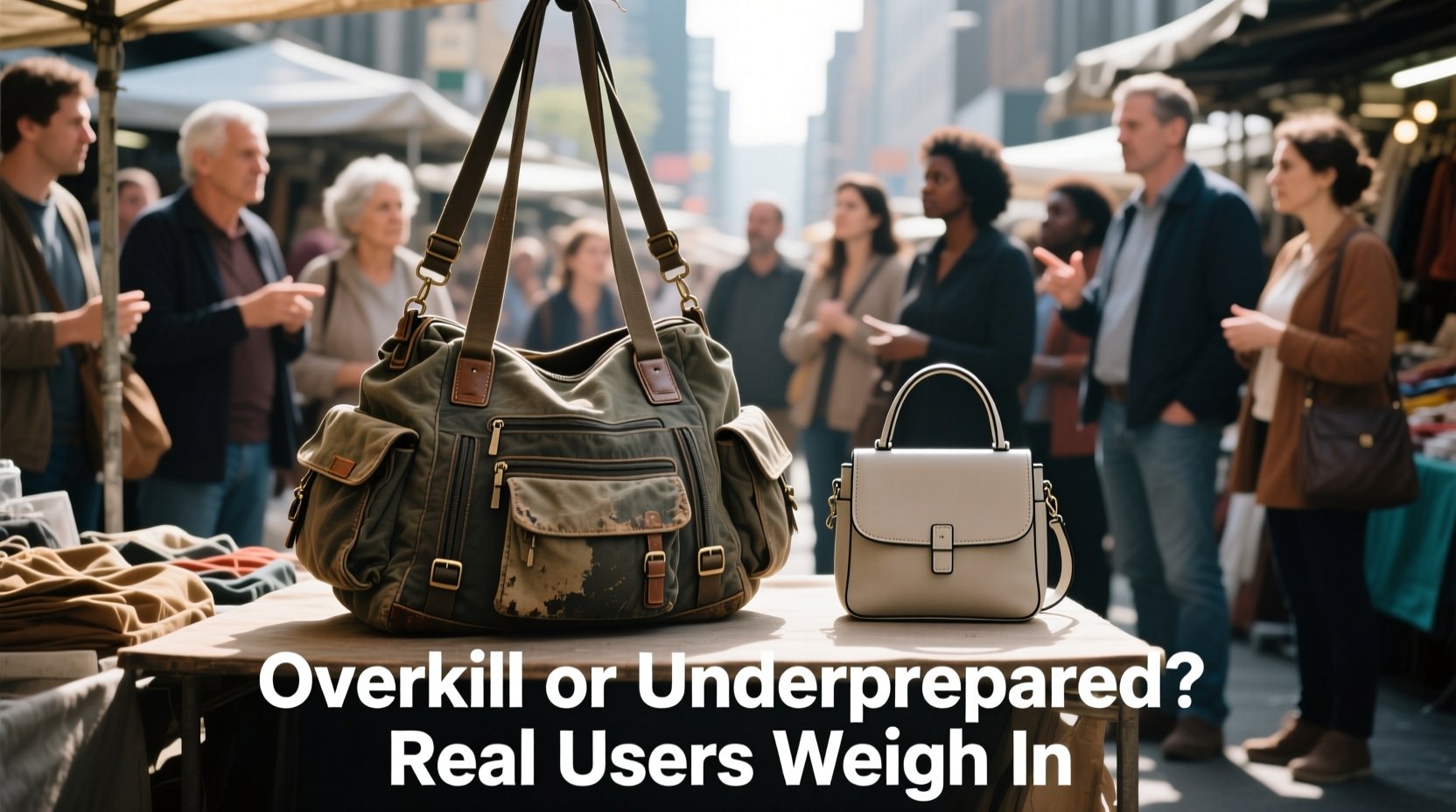
Chest bags have evolved from tactical military gear to mainstream fashion accessories. Originally designed for hands-free utility during field operations, today’s versions cater to photographers, students, remote workers, and city dwellers alike. But as designs diversified, so did capacity. Some models now hold laptops, water bottles, and extra layers; others fit little more than keys, phone, and wallet.
This divergence has sparked debate. Advocates of larger chest bags argue they replace backpacks entirely for day trips. Detractors say they’re cumbersome and disrupt posture. On the flip side, minimalists love the sleekness of compact slings but often find themselves lugging additional tote bags by midday.
When a Large Chest Bag Makes Sense
For some, a spacious chest bag isn’t overkill—it’s essential. Users with dynamic routines appreciate having everything accessible at once. Consider the case of Maya, a freelance journalist who travels between interviews across London:
“I need my recorder, spare batteries, notepad, phone charger, sunglasses, and sometimes a light jacket. A small sling can’t handle that. My 12L waterproof chest bag keeps everything organized and secure while I’m cycling or walking through crowded stations.”
Large chest bags (typically 10–15 liters) shine in these scenarios:
- Urban commuting: When public transit demands quick access to tickets, wallets, and devices.
- Day hiking or festivals: Where hydration, snacks, and weather protection are necessary.
- Work-on-the-go professionals: Photographers, delivery couriers, or field technicians carrying tools.
These users prioritize organization and security. Multiple compartments, padded laptop sleeves, and RFID-blocking pockets add value. However, size comes with trade-offs: weight distribution, heat buildup against the torso, and potential imbalance if not worn correctly.
Mini Case Study: The Photographer’s Dilemma
Daniel Kim, a street photographer based in Seoul, switched from a backpack to a 13-liter chest bag after injuring his shoulder. At first, he worried about space for lenses and battery packs. After testing three models, he landed on one with modular dividers and external attachment points.
“I thought it would feel awkward, but because the weight sits centered and low, it’s actually more stable than a backpack when I’m crouching or moving quickly,” he said. “The only downside? It draws attention. People assume I’m carrying something important.”
Why Small Chest Bags Still Have Their Place
Conversely, advocates of compact slings (under 5L) swear by their agility and discretion. These bags cater to those practicing intentional minimalism—carrying only what’s needed for a few hours out.
Common contents include:
- Phone + wallet + keys
- Earbuds and portable charger
- A folding umbrella or lightweight mask
Their appeal lies in speed and simplicity. No zipping, no digging. Just open, grab, go. They’re popular among runners, café workers, and anyone avoiding the “tourist” look in high-theft areas.
“After getting pickpocketed twice in Barcelona, I downsized to a sub-3L bag that tucks tightly behind me. It holds exactly what I need, and thieves can’t easily reach it.” — Sofia Reyes, digital nomad and travel blogger
But limitations exist. One user reported abandoning her favorite slim bag during winter because it couldn’t fit gloves, a beanie, and hand warmer—all items she regularly needed.
Size Comparison: What Fits Where?
| Bag Size | Typical Capacity | Fits Comfortably | Risks / Limitations |
|---|---|---|---|
| Small (2–5L) | Minimal daily carry | Phone, wallet, keys, earbuds, lip balm | Lack of expansion; no room for weather changes |
| Medium (6–9L) | Balanced utility | All above + power bank, notebook, sunglasses, light sweater | Slight bulk; may require adjustment throughout the day |
| Large (10–15L) | Full-day independence | Laptop (up to 13”), water bottle, jacket, lunchbox, camera gear | Can overheat chest area; may appear tactical or aggressive in casual settings |
Expert Insight: Finding the Functional Sweet Spot
We consulted Marcus Tran, an ergonomic product designer with over a decade of experience in wearable gear. His advice cuts through the noise:
“The best chest bag disappears into your routine. If you’re constantly adjusting straps, worrying about theft, or carrying another bag, it’s the wrong size. Measure your actual load for three typical days—then add 20% buffer. That’s your true capacity need.” — Marcus Tran, Wearable Tech Designer
He also emphasizes fit: “A large bag isn’t overkill if it’s well-balanced. Look for dual straps, sternum stabilization, and breathable backing. Poor design makes any bag feel heavy.”
Action Plan: How to Choose Your Ideal Chest Bag
Follow this step-by-step guide to avoid buyer’s remorse:
- Inventory your daily carry: Lay out everything you take with you on an average weekday.
- Test pack a mock bag: Use a fanny pack or tote to simulate volume. Walk around for an hour.
- Assess pain points: Was anything missing? Did the weight pull uncomfortably?
- Determine primary use case: Commuting? Traveling? Working? Each favors different features.
- Try before you buy: Visit stores or order from retailers with free returns. Wear it fully loaded.
Checklist: Picking the Right Chest Bag
- ✅ Measures at least 2 inches wider than your largest item (e.g., tablet or water bottle)
- ✅ Has at least two internal compartments for organization
- ✅ Features anti-theft elements (lockable zippers, hidden pockets)
- ✅ Uses moisture-wicking fabric on the back panel
- ✅ Includes a dedicated sleeve for electronics
- ✅ Can be worn crossbody or horizontally depending on preference
- ✅ Weighs under 1.5 lbs empty
FAQ
Can a chest bag replace a backpack?
Yes—for day use. If your routine doesn’t require more than 15L of gear and you value mobility over storage, a well-designed chest bag can eliminate the need for a backpack. However, extended travel or gym commutes usually still require larger capacity.
Are big chest bags safe in crowded areas?
They can be, but visibility matters. Larger bags are more noticeable and may attract opportunistic theft if worn in front in tourist zones. Opt for models with rear-facing zippers and wear them on your non-dominant side for easier monitoring.
Do chest bags suit all body types?
Most do, but adjustability is key. Look for sliding straps, multiple anchor points, and flexible materials. Tall users may prefer longer straps, while shorter individuals benefit from compact profiles to avoid sagging.
Conclusion: It’s Not About Size—It’s About Fit
The question isn’t whether large chest bags are overkill or small ones are insufficient—it’s whether the bag matches your real-life needs. Functionality trumps trend. A 14L tactical-style bag isn’t excessive if it carries your tools safely and comfortably. Likewise, a tiny sling isn’t inadequate if all you need is your phone and ID.
Listen to the people who use these bags every day: the ones biking through rainstorms, navigating subway crowds, or chasing deadlines across cities. Their consensus? There’s no universal answer—but there is a personal one. Test, observe, refine. Your perfect chest bag isn’t defined by liters or labels. It’s the one that lets you move freely, stay prepared, and forget it’s even there.




 浙公网安备
33010002000092号
浙公网安备
33010002000092号 浙B2-20120091-4
Comments
No comments yet. Why don't you start the discussion?