
Sitting for hours on end—whether gaming, working, or streaming—is now a routine part of modern life. As screen time increases, so does the demand for seating that can handle prolonged use without compromising physical well-being. Among the most debated choices in ergonomic seating is the mesh gaming chair. Marketed as breathable, supportive, and built for endurance, these chairs promise relief from heat buildup and back strain. But do they truly deliver on both comfort and posture support during marathon sessions?
To answer this, we need to look beyond marketing claims and evaluate how mesh chairs perform in real-world conditions: airflow, lumbar support, seat padding longevity, adjustability, and their ability to maintain proper spinal alignment over time.
Airflow and Temperature Regulation: The Mesh Advantage
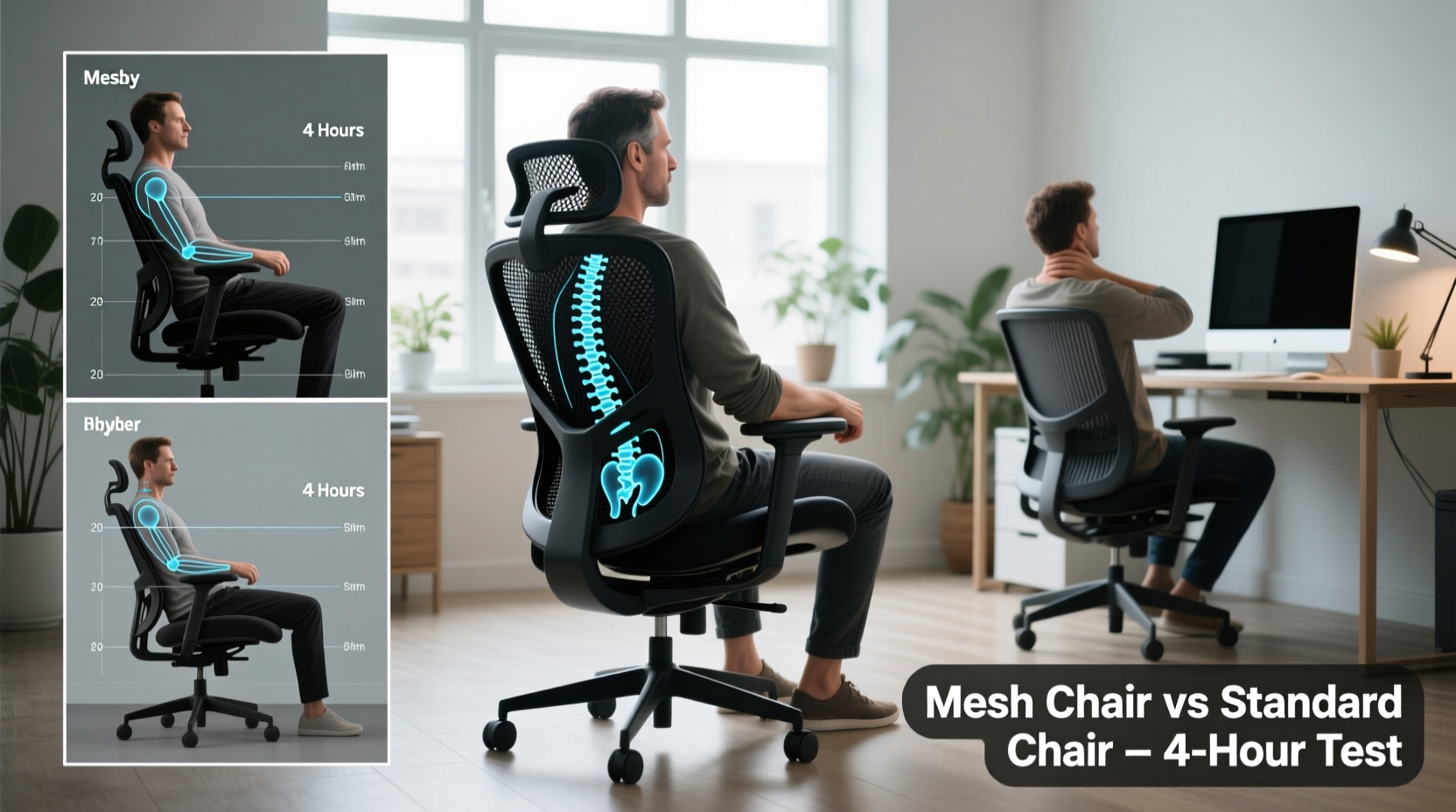
One of the standout features of mesh-back gaming chairs is their breathability. Traditional leather or PU upholstery traps body heat, leading to sweat, discomfort, and distractions—especially during intense gameplay or extended workdays. Mesh, typically made from tightly woven elastomer or nylon blends, allows air to circulate freely across the back and lower spine.
This ventilation helps regulate core temperature, reducing fatigue caused by overheating. In environments without strong climate control—such as home offices or basements—this feature becomes even more valuable.
However, breathability doesn’t automatically equate to all-day comfort. While the back stays cool, the seat cushion remains a critical factor. Many budget mesh chairs skimp on seat foam density, leading to sagging and pressure on the thighs after just a few months of heavy use.
Evaluating Posture Support: Structure Over Style
Posture support isn't just about feeling \"supported\"—it's about maintaining the natural S-curve of the spine. Poor posture leads to chronic issues like lower back pain, neck strain, and reduced lung capacity due to slouching. A good chair should encourage neutral alignment: ears over shoulders, shoulders over hips, hips slightly higher than knees.
Mechanically, mesh chairs vary widely in design. Some rely on the tension of the mesh itself to provide lumbar support, while others include adjustable pads or dynamic flex zones. The best models integrate both: a contoured mesh that conforms slightly to the spine’s shape, plus an independent lumbar pillow or knob-based tension system.
“Ergonomic seating must balance flexibility with structural integrity. Mesh offers excellent dorsal support when properly engineered, but it shouldn’t replace targeted lumbar reinforcement.” — Dr. Lena Torres, Physical Therapist & Ergonomics Consultant
The challenge lies in consistency. Unlike memory foam or rigid plastic shells, mesh stretches over time. Without high-tension weaving or dual-layer construction, it may lose its supportive properties within 12–18 months of daily use. This degradation compromises posture, especially for users who lean heavily into the backrest.
Comfort vs. Support: Breaking Down the Trade-offs
Comfort and support are often conflated, but they’re distinct needs. Comfort relates to immediate sensations—softness, warmth, pressure distribution. Support refers to biomechanical assistance—alignment, muscle engagement, joint stability.
Much of the appeal of mesh chairs comes from short-term comfort: the cool touch, the slight give of the material, the absence of sticky surfaces. But long-term support depends on factors beyond the backrest: seat depth, armrest positioning, recline mechanics, and head/neck alignment.
To illustrate the differences, consider the following comparison between common chair types used for extended sitting:
| Feature | Mech Mesh Chair | Fabric Office Chair | Leather Gaming Chair |
|---|---|---|---|
| Breathability | Excellent | Good | Poor |
| Lumbar Support (Adjustable) | Varies (often moderate) | Often good | Fair (usually fixed pad) |
| Seat Cushion Longevity | Fair to Good | Good | Poor (often flattens quickly) |
| Spinal Alignment Support | Good (if well-designed) | Very Good | Fair |
| Heat Retention | Low | Moderate | High |
| Durability (3+ years) | Depends on frame/mesh quality | Generally high | Low to Moderate |
As shown, mesh excels in thermal management but often lags in seat durability and consistent lumbar feedback. High-end models from brands like Herman Miller (e.g., Aeron) or Steelcase (Leap Fabric) address these gaps with advanced suspension mesh and modular support systems—but come at a premium price point ($800+).
Real-World Example: A Developer’s Experience After Six Months
James, a software developer and casual gamer, switched from a padded leather gaming chair to a mid-range mesh model after experiencing persistent lower back tightness. Working 8–10 hours daily, he found the leather chair caused excessive sweating and forced him to sit upright constantly to avoid sinking into the cushion.
After switching to a $350 mesh chair with adjustable lumbar and 4D armrests, James noticed immediate improvements in back cooling and reduced midday fatigue. However, by month five, he began feeling less supported in the lower back. The mesh had stretched slightly, and the lumbar pillow—while removable—didn’t integrate seamlessly with his spine’s curve.
He resolved this by adding a rolled towel behind his lower back and adjusting the tilt tension to encourage active sitting. His takeaway? “The mesh solved my heat issue, but I still had to fine-tune support. It wasn’t plug-and-play for posture.”
This case highlights a common reality: even well-designed mesh chairs may require user intervention to maintain optimal ergonomics over time.
What to Look for in a High-Performance Mesh Chair
Not all mesh chairs are created equal. To ensure you’re investing in one that delivers on both comfort and posture support, consider the following checklist before purchasing:
- Mesh Tension Adjustment: Higher-end models allow you to tighten or loosen the backrest’s firmness to match your weight and preference.
- Contoured Lumbar Zone: Look for a built-in curve in the lower mesh area or an independently adjustable lumbar support.
- Seat Depth and Padding: The seat should be at least 18 inches deep with high-density foam that resists compression.
- Recline Range (100°–135°): Essential for shifting positions and reducing disc pressure during long sessions.
- Armrest Adjustability: 4D armrests (height, width, depth, pivot) help maintain shoulder neutrality and reduce wrist strain.
- Frame Material: Aluminum or reinforced nylon bases last longer than plastic components.
- Weight Capacity: Ensure the chair supports your body weight without compromising mechanism stability.
Step-by-Step: Setting Up Your Mesh Chair for Optimal Use
Even the best chair won’t help if not configured correctly. Follow this sequence to maximize both comfort and spinal health:
- Adjust Seat Height: Set so your feet rest flat on the floor, knees at 90° or slightly below hip level.
- Set Recline Angle: Start at 100°–110° for active sitting. Use the lock feature to alternate between upright and reclined postures.
- Position Lumbar Support: Align the peak of the lumbar curve with your lower back (L3 vertebra). If using a pillow, place it just above the belt line.
- Align Armrests: Adjust so elbows rest at 90°–110°, shoulders relaxed, wrists straight when typing.
- Check Back Contact: Lean back gently. Your entire spine should lightly contact the mesh. If there are gaps, tweak tension or add subtle padding.
- Test Movement: Rock slightly or recline dynamically to ensure smooth motion and avoid locking in one position for over 30 minutes.
Reassess every few weeks. Body awareness improves with time, and small tweaks can prevent long-term strain.
Frequently Asked Questions
Can a mesh gaming chair help with lower back pain?
Yes, but only if it provides targeted lumbar support and encourages proper posture. Mesh alone isn’t a cure—it’s the combination of spinal alignment, seat ergonomics, and movement variety that reduces pain. Pair the chair with regular stretch breaks and core strengthening exercises for best results.
Do mesh chairs wear out faster than fabric or leather?
It depends on quality. Budget mesh chairs may sag within a year due to low-tension weaving. Premium models use dual-layer or pellicle mesh designed to endure 10+ years of daily use. Always check warranty length and material specs—12-year warranties often signal confidence in durability.
Are mesh chairs suitable for heavier users?
Some are. Check the manufacturer’s weight rating (ideally 300 lbs or more) and look for reinforced frames and thicker gauge mesh. Chairs like the Herman Miller Aeron (rated up to 350 lbs) are engineered for heavier builds, while many budget options max out at 250 lbs and may degrade faster under constant load.
Final Verdict: Is It Worth It?
For long sessions, a well-designed mesh gaming chair can be an excellent investment—particularly if heat management and breathability are priorities. Its ability to keep the back cool enhances comfort, which indirectly supports better posture by reducing fidgeting and shifting due to discomfort.
However, mesh is not inherently superior in terms of spinal support. True posture benefits come from thoughtful engineering: adjustable lumbar systems, proper seat geometry, and dynamic movement capabilities. A cheap mesh chair may solve sweating but fail at supporting your spine. Conversely, a high-end mesh model can outperform most traditional gaming chairs in both comfort and ergonomics.
The key is to prioritize function over aesthetics. Don’t be swayed by racing-style designs or RGB lighting. Focus on adjustability, build quality, and user reviews that mention long-term use. If your budget allows, consider hybrid models that combine breathable mesh backs with padded, durable seats—a balanced solution for both comfort and support.




 浙公网安备
33010002000092号
浙公网安备
33010002000092号 浙B2-20120091-4
Comments
No comments yet. Why don't you start the discussion?