
Hardwood floors bring warmth, elegance, and timeless appeal to any home. But they also demand consistent care. Dust, footprints, and spills can dull their finish over time, requiring regular cleaning that many homeowners dread. Enter the robot mop—a sleek, automated device promising to glide across your floors while you sip coffee or work from home. But is it truly effective on hardwood, or is it just another expensive gadget collecting dust in the closet?
The answer isn’t a simple yes or no. It depends on your lifestyle, expectations, and the specific model you choose. Robot mops have evolved significantly in recent years, with advanced navigation, smart sensors, and gentle cleaning mechanisms tailored for sensitive surfaces. Yet, like any tech product, not all models deliver on their promises. Let’s take an in-depth look at whether investing in a robot mop makes sense for maintaining beautiful hardwood floors.
How Robot Mops Work on Hardwood Floors
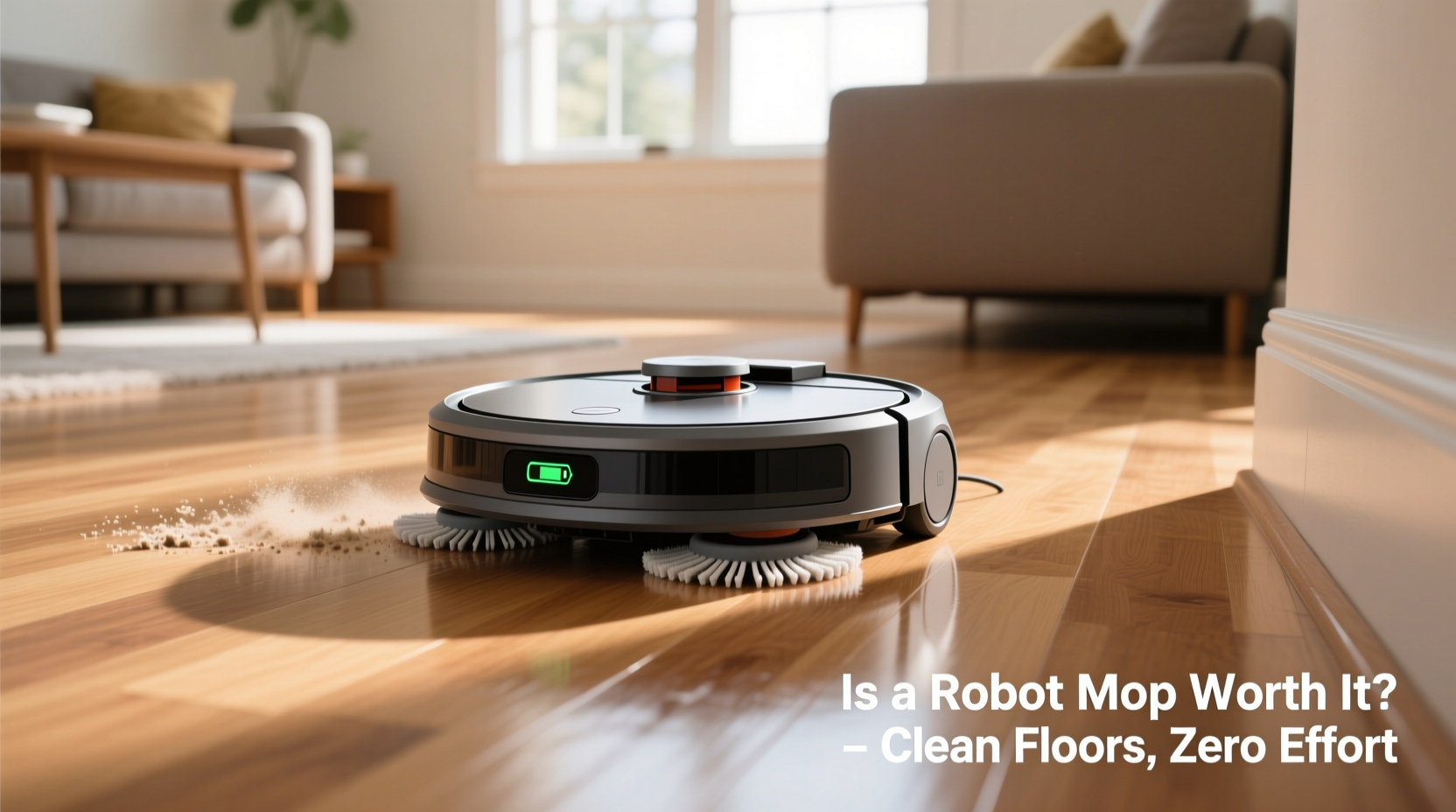
Robot mops are designed to automate floor cleaning using a combination of water reservoirs, microfiber pads, and programmed navigation systems. Most operate via one of two methods: dry mopping (for dust and light debris) or wet mopping (with controlled water release). For hardwood floors, the latter must be carefully calibrated—too much moisture can warp wood, damage finishes, or promote mold growth beneath floorboards.
Modern robot mops use smart damp-mopping technology, releasing only a fine mist or minimal water through precision nozzles. Brands like Roborock, iRobot (Braava Jet), and Ecovacs employ sensors that detect surface type and adjust moisture levels accordingly. Some even lift their mopping pads when transitioning to carpet, preventing oversaturation.
Navigation has also improved dramatically. Early models bumped into furniture and missed spots. Today’s high-end robots use LiDAR or camera-based mapping to create accurate floor plans, remember room layouts, and clean in systematic patterns—critical for covering large hardwood areas without missing corners.
Pros and Cons of Robot Mops for Hardwood
Before making a purchase, it’s essential to weigh the benefits against potential drawbacks. Here’s a balanced breakdown tailored specifically to hardwood flooring.
| Pros | Cons |
|---|---|
| Time-saving automation: Cleans daily with minimal input after setup. | Limited deep-cleaning ability: Cannot scrub tough stains or grime like manual mopping. |
| Gentle on finishes: Uses low-moisture settings ideal for sealed hardwood. | Upfront cost: Quality models range from $300–$800, which may not fit every budget. |
| Consistent maintenance: Prevents dust buildup that scratches wood over time. | Maintenance required: Pads need frequent washing; tanks and brushes require cleaning. |
| Smart integration: Works with apps, voice assistants, and schedules. | Furniture obstacles: May struggle under low-clearance furniture or around cords. |
| Improved air quality: Reduces allergens and pet dander tracked onto floors. | Not foolproof: Can miss spills or leak if improperly maintained. |
The key advantage lies in consistency. While a robot mop won’t replace a thorough weekly hand-mopping session, it excels at light, daily maintenance—keeping your floors looking fresh between deeper cleanings.
What Experts Say About Automated Floor Care
“Daily dry or damp mopping with a robot can significantly extend the life of hardwood floors by reducing abrasive particles that cause micro-scratches.” — Dr. Lena Patel, Indoor Environmental Scientist and Flooring Consultant
According to industry experts, the biggest threat to hardwood isn’t spills—it’s the constant grinding of dirt and sand underfoot. These tiny abrasives wear down the protective finish over months and years, leading to costly refinishing. A robot mop running every evening removes this debris before it causes damage.
However, experts caution against relying solely on automation. “Robots are excellent for maintenance, but they’re not a substitute for proper care,” says Mark Tran, a certified hardwood installer with over 15 years of experience. “You still need to wipe up spills immediately, avoid vinegar-based cleaners, and occasionally use a pH-neutral hardwood cleaner manually.”
Real-World Example: The Nguyen Family’s Experience
The Nguyen family lives in a two-story suburban home with wide-plank oak floors throughout the main level. With two kids, a dog, and both parents working full-time, keeping the floors clean was a constant battle. They purchased a mid-range robot mop after reading online reviews, hoping it would reduce their weekend cleaning load.
Initially skeptical, they programmed the robot to run Monday through Friday at 7 PM, after dinner cleanup. They used the auto-damp setting and swapped out the microfiber pad every other day. Within two weeks, they noticed less visible dust, fewer paw prints, and no more “sticky” feeling in the kitchen after meals.
Still, challenges arose. The robot occasionally got stuck near a dining table leg, and once leaked water when the tank wasn’t seated properly. After adjusting the schedule and doing a quick pre-clean sweep of toys and cords, performance improved dramatically.
After six months, they concluded: “It hasn’t replaced our deep cleaning, but we now mop by hand only once every two weeks instead of every weekend. That alone makes it worth the investment.”
Choosing the Right Robot Mop for Hardwood: A Buyer’s Checklist
Not all robot mops are created equal. To get the most value—and protect your floors—follow this checklist when shopping:
- Adjustable water flow: Look for models with multiple dampness settings or smart moisture control.
- Hardwood-safe navigation: Ensure the robot avoids puddling and doesn’t scratch floors with rigid components.
- Precision mapping: Models with LiDAR or vSLAM technology clean more efficiently than random-bounce types.
- Dual-function capability: Units that vacuum and mop save time and often share charging docks.
- Self-cleaning features: Some premium models automatically wash and dry pads in a base station—ideal for hands-off operation.
- App scheduling: Ability to set recurring cleanings ensures consistency without daily input.
- Compatibility with smart home systems: Integration with Alexa, Google Assistant, or Apple Home adds convenience.
Step-by-Step Guide to Using a Robot Mop Safely on Hardwood
To maximize effectiveness and minimize risk, follow this routine:
- Clear the floor: Remove toys, cords, rugs, and clutter that could trap or confuse the robot.
- Vacuum first (if needed): If your robot doesn’t vacuum, do a quick pass with a traditional or robot vacuum to remove loose debris.
- Fill the water tank: Use distilled or filtered water and select the lowest moisture setting for hardwood.
- Attach a clean microfiber pad: Wash reusable pads after each use to prevent odor and residue buildup.
- Launch the robot: Start with a single-room test to observe navigation and moisture output.
- Monitor the first few runs: Check for leaks, missed spots, or unusual noises.
- Schedule regular cycles: Set it to run 3–5 times per week during low-traffic hours.
- Maintain the device: Clean the tank, nozzle, and sensors weekly; replace worn parts as recommended.
This process ensures optimal performance while safeguarding your investment in both the robot and your flooring.
FAQ: Common Questions About Robot Mops and Hardwood
Can robot mops damage hardwood floors?
High-quality robot mops designed for hardwood are safe when used correctly. However, models that leak, use excessive water, or have rough plastic casings may cause spotting, warping, or scratching. Always use the low-moisture setting and inspect the unit regularly for wear.
Do I still need to mop manually if I have a robot mop?
Yes. Robot mops handle light daily cleaning but aren’t powerful enough for deep stains, dried spills, or thorough sanitizing. Plan to do a manual mop with a hardwood-approved cleaner every 1–2 weeks, depending on foot traffic.
Are self-emptying and self-washing bases worth the extra cost?
For maximum convenience, yes—especially if you dislike handling dirty pads. Self-cleaning bases automatically rinse and dry mopping cloths, reducing odor and maintenance. These features justify the higher price for busy households, though they aren’t essential for basic functionality.
Final Verdict: Is It Worth the Investment?
A robot mop isn’t a magic solution, but for most homes with hardwood floors, it’s a worthwhile investment—if you choose the right model and manage expectations. It won’t deep-clean like a human with a bucket and cloth, but it does something equally valuable: it maintains cleanliness consistently, reducing long-term wear and making manual cleaning less frequent and less daunting.
Think of it as preventive care for your floors. Just as brushing your teeth daily prevents cavities, daily robot mopping prevents the accumulation of damaging grit and keeps your hardwood looking polished between deeper cleanings. For families, pet owners, or anyone short on time, that convenience translates into real quality-of-life improvements.
If your hardwood floors span large open areas and you value a tidy home without spending hours maintaining it, a robot mop is far more than a gimmick. It’s a practical tool that pays off in saved time, reduced effort, and better floor longevity.




 浙公网安备
33010002000092号
浙公网安备
33010002000092号 浙B2-20120091-4
Comments
No comments yet. Why don't you start the discussion?