
For pet owners, keeping floors clean is a constant battle. Between shedding fur, tracked-in dirt, and the occasional accident, traditional cleaning routines often fall short. Enter the robot vacuum—a sleek, automated solution promising spotless floors with minimal effort. But as we step into 2025, many are asking: is this gadget truly a game-changer for pet households, or just an expensive appliance gathering dust on the shelf?
The answer isn’t a simple yes or no. The value of a robot vacuum depends heavily on your pet’s habits, home layout, flooring type, and how you use the device. With rapid advancements in AI navigation, suction power, and self-cleaning capabilities, today’s models are far more capable than their early counterparts. Yet, they’re not flawless. Understanding what modern robot vacuums can—and cannot—do is key to deciding whether one belongs in your home.
Why Pet Owners Are Ideal Candidates for Robot Vacuums
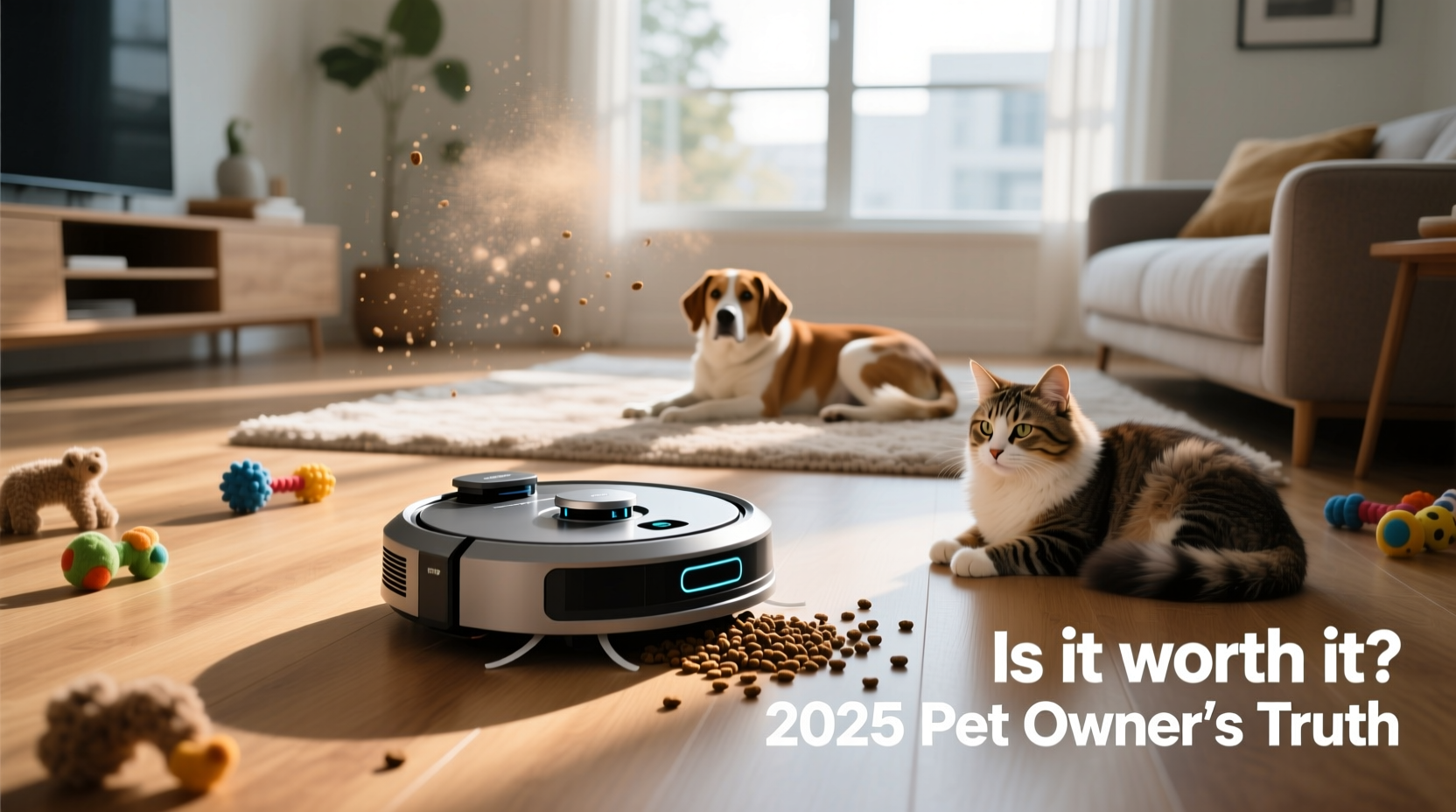
Pet hair is one of the most persistent household allergens and cleaning challenges. Dogs and cats shed year-round, with peak shedding during seasonal changes. Traditional vacuums require time, physical effort, and regular scheduling—three things that don’t always align with busy lifestyles. This is where robot vacuums shine.
Modern units operate autonomously, running daily or on custom schedules. Many can be triggered remotely via smartphone apps or voice assistants like Alexa or Google Assistant. For pet owners, this means fresh floors every morning without lifting a finger. High-efficiency filters (HEPA-grade in many models) trap dander, dust mites, and fine particles, improving indoor air quality—especially beneficial for allergy sufferers.
Additionally, advanced sensors help robots avoid pet messes. No one wants a vacuum rolling through an accident and spreading it across the floor. Newer models use optical and infrared sensors to detect wet spots and steer clear, resuming cleaning only after the area is safe.
Key Features That Matter for Pet Households
Not all robot vacuums are built for pet life. Choosing the right model requires attention to specific features that address common pet-related challenges.
- Strong Suction Power: Look for models with at least 2,000 Pa of suction. Higher-end units now exceed 6,000 Pa, making them effective on carpets where pet hair embeds deeply.
- Tangle-Free Brush Rolls: Traditional bristle brushes easily clog with long pet hair. Rubberized, tangle-free extractors flex and release hair instead of trapping it.
- Self-Emptying Dustbins: Some robots dock into a base that automatically empties debris into a sealed bag, holding up to 60 days of dirt. This reduces contact with allergens and minimizes maintenance.
- Smart Mapping & Room Recognition: Advanced LiDAR or vSLAM technology lets robots learn your floor plan, allowing zone-specific cleaning—like focusing on the living room where your dog sleeps.
- App Customization: Set virtual boundaries, schedule deep cleans before guests arrive, or trigger spot cleans after playtime.
Brands like iRobot (Roomba), Roborock, Ecovacs, and Shark have refined these features significantly by 2025. For example, the Roborock S8 Pro Ultra includes sonic mopping and AI obstacle recognition, while the Roomba j9+ actively avoids cords, socks, and pet waste using machine learning.
“Pet owners benefit most from automation when the robot adapts to their lifestyle, not the other way around.” — Dr. Lena Torres, Home Robotics Researcher at MIT Media Lab
When Robot Vacuums Fall Short: Real Limitations
No robot vacuum replaces a thorough manual clean. They struggle with large debris, sticky spills, and high-pile rugs. If your pet knocks over food or has an accident, you’ll still need a mop and a traditional vacuum. Additionally, robots can miss edges, corners, and under furniture unless specifically programmed to target those zones.
Battery life remains a constraint. Most models run 90–120 minutes per charge—enough for apartments or single-floor homes, but larger houses may require multiple docking cycles. Some units pause mid-clean to recharge, then resume where they left off, but interruptions can leave areas untouched if not monitored.
Maintenance is also often underestimated. Filters need monthly washing, brush rolls require weekly hair removal, and sensors must be wiped clean to function properly. Neglecting upkeep leads to reduced performance and premature breakdowns.
Mini Case Study: The Thompson Family and Their Two Golden Retrievers
The Thompsons live in a 2,200-square-foot suburban home with two golden retrievers, both heavy shedders. Before purchasing a robot vacuum, they vacuumed manually three times a week—often skipping sessions due to fatigue. They invested in a mid-tier model with self-emptying and tangle-free brushes.
Within weeks, they noticed fewer visible clumps of fur and less dander in the air. Allergy symptoms in their youngest child improved. However, they quickly learned the robot couldn’t handle kibble spilled near the feeding station or muddy paw prints after rain. They now use the robot for daily maintenance and reserve deep cleaning for weekends. “It’s not perfect,” says Sarah Thompson, “but it handles 70% of the work we used to dread.”
Buying Smart: A Checklist for Pet Owners
Before investing in a robot vacuum, ask yourself these questions and verify the following features:
- Do I have mostly hard floors, carpet, or a mix? Choose suction strength accordingly.
- Does my pet shed heavily? Prioritize tangle-free rollers and HEPA filtration.
- Do I want hands-off maintenance? Look for self-emptying and self-washing mops.
- Is navigation important? Ensure the model supports room mapping and zone control.
- Can I integrate it with my smart home? Compatibility with Alexa, Google, or Apple Home adds convenience.
- What’s the noise level? Some models operate below 60 dB, ideal for homes with noise-sensitive pets.
- Is customer support reliable? Check warranty length and availability of replacement parts.
Comparison Table: Top Robot Vacuum Types for Pet Homes in 2025
| Type | Best For | Pros | Cons |
|---|---|---|---|
| Basic Robot Vacuum | Small apartments, light shedding | Affordable, easy setup | Limited suction, poor edge cleaning |
| Mid-Range with Mapping | Medium homes, moderate shedding | Smart navigation, app control, decent suction | No self-emptying, needs frequent maintenance |
| Premium with Self-Emptying | Larger homes, heavy shedders | Long-term convenience, strong suction, AI obstacle avoidance | Expensive, bulky charging base |
| All-in-One (Vacuum + Mop) | Homes with mixed messes (fur + spills) | Cleans dry and wet messes, automatic mop washing | Mopping performance varies; not for deep stains |
Step-by-Step: Optimizing Your Robot Vacuum for Pet Life
Getting the most out of your robot vacuum involves more than unboxing and pressing start. Follow this timeline to ensure consistent results:
- Week 1: Map Your Home
Run the robot on auto-mode to let it learn your floor plan. Perform 2–3 full mapping runs to improve accuracy. - Week 2: Define Zones & Boundaries
Use the app to set keep-out zones (e.g., around litter boxes or pet beds) and prioritize high-traffic areas. - Week 3: Establish a Cleaning Schedule
Program daily 20-minute runs in main living areas. Adjust based on pet activity. - Ongoing: Weekly Maintenance
Remove hair from brushes, empty the bin (or check self-empty base), and wipe sensors. - Monthly: Deep Care
Wash filters, inspect wheels for debris, and update firmware for performance improvements.
This structured approach ensures reliability and longevity. Skipping maintenance leads to error messages, poor cleaning, and eventual failure.
Frequently Asked Questions
Can robot vacuums handle large amounts of pet hair?
Yes, but only if equipped with tangle-free brush rolls and strong suction. Models designed for pets, like the Roomba j9+ or Roborock Qrevo, excel at collecting fur from both hard floors and carpets. However, very long or matted hair may still require manual intervention.
Will a robot vacuum scare my pet?
Some pets are initially startled, especially by the noise and movement. Most adapt within a few days. Start with shorter runs when pets are calm or absent, and gradually increase exposure. Quieter models (<65 dB) are less disruptive.
Are self-emptying bases worth the extra cost?
For pet owners, often yes. These bases reduce direct contact with pet dander and hair, making maintenance easier and more hygienic. If you travel frequently or dislike handling dirty bins, the investment pays off in convenience and consistency.
Conclusion: A Tool, Not a Miracle
In 2025, robot vacuums have evolved into highly capable tools—but they remain tools, not replacements for human oversight. For pet owners, they offer a practical way to manage daily messes, reduce allergens, and maintain cleaner homes with less effort. When paired with realistic expectations and proper maintenance, a robot vacuum can significantly improve quality of life.
However, viewing it as a \"set-and-forget\" solution leads to disappointment. It won’t clean up vomit, retrieve toys, or replace deep carpet shampooing. Its true value lies in consistency: tackling the small, repetitive tasks that accumulate over time.




 浙公网安备
33010002000092号
浙公网安备
33010002000092号 浙B2-20120091-4
Comments
No comments yet. Why don't you start the discussion?