
In recent years, smart scales have become a staple in health-conscious households. With sleek designs and smartphone integration, these devices promise more than just weight—they claim to measure body fat, muscle mass, water percentage, and even bone density. But behind the convenience lies a critical question: Are smart scales actually accurate when it comes to body fat, or are they merely educated guessers?
The short answer is both. Smart scales can provide useful trends over time, but their absolute numbers—especially for body fat—should be interpreted with caution. To understand why, we need to explore how they work, what affects their readings, and how to use them effectively without being misled.
How Do Smart Scales Measure Body Fat?
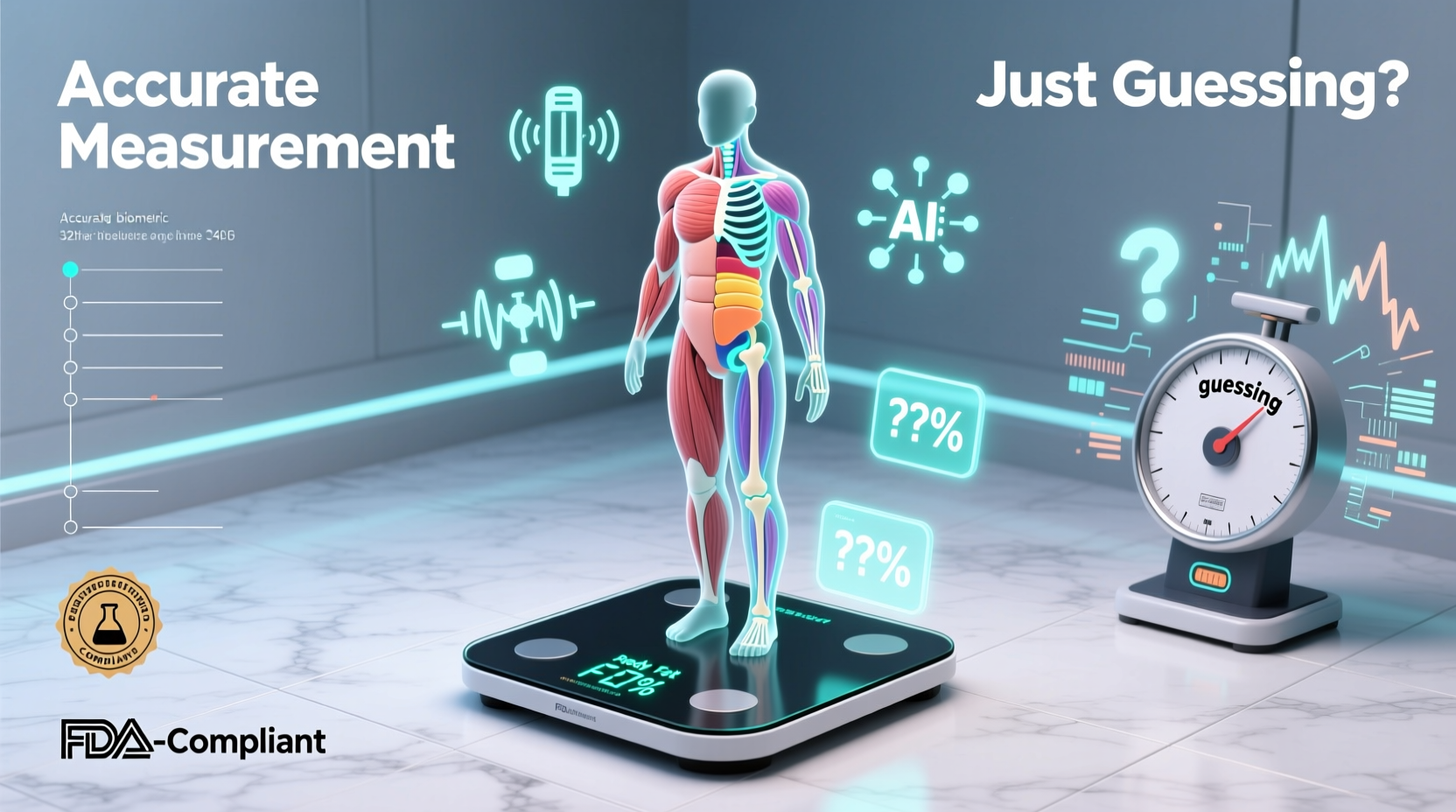
Smart scales use a technology called bioelectrical impedance analysis (BIA). Here’s how it works: When you step on the scale barefoot, a small, safe electrical current passes through your body from one foot to the other. This current travels faster through tissues that contain more water—like muscle—and slower through fat, which has less water.
Based on the resistance (or impedance) the current encounters, the scale estimates your body composition. However, this calculation isn’t purely scientific—it’s also algorithmic. The device combines the impedance reading with personal data you input—such as height, age, gender, and sometimes fitness level—to estimate body fat percentage using proprietary formulas.
This means two things: First, the measurement isn’t direct like a DEXA scan or hydrostatic weighing. Second, the accuracy heavily depends on the quality of the algorithm and the assumptions built into it.
“BIA-based smart scales offer convenience, but they’re not clinical tools. They’re best used for tracking relative changes, not absolute values.” — Dr. Lena Torres, Sports Physiologist and Biomechanics Researcher
What Affects Smart Scale Accuracy?
Even under ideal conditions, BIA measurements are sensitive to several variables. Understanding these can help you interpret your results more intelligently.
- Hydration levels: Dehydration increases impedance, making your body appear to have more fat. Drinking water before stepping on the scale can lower readings significantly—even if your actual body composition hasn’t changed.
- Time of day: Your hydration fluctuates throughout the day. Morning readings tend to be more consistent because your body is in a relatively stable state after fasting overnight.
- Food intake: Eating a large meal can shift fluid distribution, temporarily altering impedance.
- Skin temperature: Cold skin increases resistance, potentially skewing results upward.
- Foot moisture: Dry feet increase resistance. Some users report differences between stepping on with slightly damp versus dry soles.
- Pregnancy or medical conditions: Fluid retention due to pregnancy, illness, or medications can distort readings.
Comparing Smart Scales to Clinical Methods
To assess accuracy, it helps to compare smart scales against gold-standard body composition methods. Here's how they stack up:
| Method | Accuracy | Cost & Accessibility | Notes |
|---|---|---|---|
| DEXA Scan | Very High | $$$ / Limited access | Measures bone, fat, and lean mass precisely; considered the benchmark. |
| Hydrostatic Weighing | High | $$ / Rarely available | Relies on water displacement; highly accurate but impractical for home use. |
| Bod Pod (Air Displacement) | High | $$ / Specialized clinics | Non-invasive but sensitive to clothing and breathing patterns. |
| Smart Scale (BIA) | Moderate to Low | $ / Widely available | Best for trend tracking; prone to error due to hydration and algorithm bias. |
| Skinfold Calipers | Variable | $ / Requires skill | Accurate only when performed by a trained professional. |
Studies show that consumer-grade smart scales can deviate from DEXA results by **5–10 percentage points** in individual measurements. That means if your true body fat is 22%, a smart scale might read anywhere from 17% to 32%. While alarming, this doesn’t mean the device is “broken”—it reflects the inherent limitations of BIA in uncontrolled environments.
Real Example: Tracking Progress Over Time
Consider Sarah, a 34-year-old woman who started a strength training program. She bought a smart scale to monitor her progress. On Day 1, it reported her body fat at 31%. Two weeks later, after consistent workouts and improved diet, the scale showed 28%. Excited, she thought she’d lost fat quickly.
But when she got a DEXA scan at a wellness clinic, her actual body fat was 29.5%—closer to her initial reading than the drop suggested. The smart scale wasn’t wrong about direction—she was trending downward—but it exaggerated the speed and magnitude of change.
Over the next three months, Sarah continued measuring weekly. While daily numbers bounced around (from 26% to 30%), the monthly average showed a clear downward trend. By month four, her DEXA confirmed she had reached 26.8% body fat—consistent with the smart scale’s long-term trend.
The lesson? The smart scale wasn’t accurate in absolute terms, but it was useful for identifying trends.
How to Use a Smart Scale Wisely: A Step-by-Step Guide
You don’t need to throw out your smart scale. You just need to use it strategically. Follow these steps to get meaningful insights:
- Input accurate personal data: Double-check your height, birthdate, and gender in the app. Even small errors here affect calculations.
- Choose a consistent routine: Weigh yourself at the same time each day—ideally every morning before eating, drinking, or exercising.
- Use the same conditions: Step on barefoot, with clean, dry feet. Avoid doing so right after a shower or workout.
- Avoid daily fixation: Don’t react to day-to-day fluctuations. Instead, look at weekly averages or trends over 2–4 week intervals.
- Combine with other metrics: Track waist circumference, progress photos, strength gains, and how your clothes fit. These often tell a clearer story than body fat percentage alone.
- Reassess periodically with better tools: If possible, get a DEXA or Bod Pod scan once every 3–6 months to calibrate your expectations.
Checklist: Maximizing Smart Scale Value
Use this checklist to ensure you're getting reliable, actionable data:
- ✅ Input correct age, height, and gender
- ✅ Weigh first thing in the morning
- ✅ Step on barefoot, with consistent foot placement
- ✅ Avoid use after exercise, meals, or drinking alcohol
- ✅ Track weekly averages, not daily numbers
- ✅ Pair with visual progress checks (photos, mirror, clothing fit)
- ✅ Recheck against clinical methods every few months if possible
- ❌ Don’t panic over sudden jumps or drops
- ❌ Don’t compare your results directly to others using different scales
Common Misconceptions About Smart Scales
Despite growing popularity, several myths persist:
- Myth: All smart scales are equally accurate.
Reality: Algorithms vary widely between brands. A $30 scale and a $150 premium model may use very different formulas, even with the same BIA hardware. - Myth: Body fat percentage is precise to one decimal place.
Reality: Showing “24.7%” implies false precision. Most consumer devices lack the sensitivity for such granularity. - Myth: Muscle gain will always show as lower body fat.
Reality: If you gain muscle but retain water (common in early training), impedance may not reflect the change immediately—or could even show higher fat temporarily. - Myth: Smart scales can detect visceral fat accurately.
Reality: Visceral fat estimates are extrapolated from overall models, not directly measured. They may correlate loosely with risk but shouldn’t be used diagnostically.
Frequently Asked Questions
Can smart scales be completely wrong about body fat?
Yes, in absolute terms, they can be significantly off—by several percentage points. However, they are generally better at detecting directional trends (increasing or decreasing) than providing exact values. Their reliability improves when used consistently under controlled conditions.
Why does my body fat percentage change so much from day to day?
Daily fluctuations are usually due to hydration, food intake, sodium consumption, hormonal cycles (especially in women), and activity levels. These affect electrical conductivity more than actual fat loss or gain. Focus on weekly patterns rather than daily swings.
Are some smart scales more accurate than others?
Some brands invest more in research and calibration. Models like the Withings Body Comp, Garmin Index, or Eufy Smart Scale P1 have shown better consistency in independent reviews. Look for scales that use multiple frequencies or segmental BIA (measuring different body parts), as these tend to be more refined.
Final Thoughts: Tools, Not Truths
Smart scales aren’t lying—but they aren’t telling the full truth either. They are tools designed for convenience and motivation, not medical diagnosis. Their real value lies not in the number they display, but in the pattern that emerges over time.
If you're using a smart scale to support a health goal, treat it like a compass, not a GPS. It won’t give you pinpoint coordinates, but it can help you stay oriented in the right direction. Combine its data with common sense, physical feedback, and periodic reality checks from more accurate methods.
And remember: your health is far more than a percentage. Energy levels, strength, sleep quality, mood, and confidence matter just as much—if not more—than any number on a screen.




 浙公网安备
33010002000092号
浙公网安备
33010002000092号 浙B2-20120091-4
Comments
No comments yet. Why don't you start the discussion?