
When it comes to cooking at home, the pan you choose does more than affect how evenly your eggs fry—it may influence your long-term health. The debate between ceramic and traditional non-stick cookware has intensified in recent years, especially as consumers grow more aware of chemical exposure from everyday household items. With concerns over substances like PFOA, PFAS, and thermal degradation, many are asking: Is ceramic cookware actually safer than conventional non-stick? And what do toxicologists—the scientists who study chemical risks—have to say about daily use?
This question isn't just about marketing claims or surface slickness. It's about understanding material composition, heat stability, and real-world exposure risks. As regulatory bodies tighten restrictions on certain synthetic compounds and independent studies reveal new insights, the answer is becoming clearer—but not simpler.
The Evolution of Non-Stick Cookware and Health Concerns
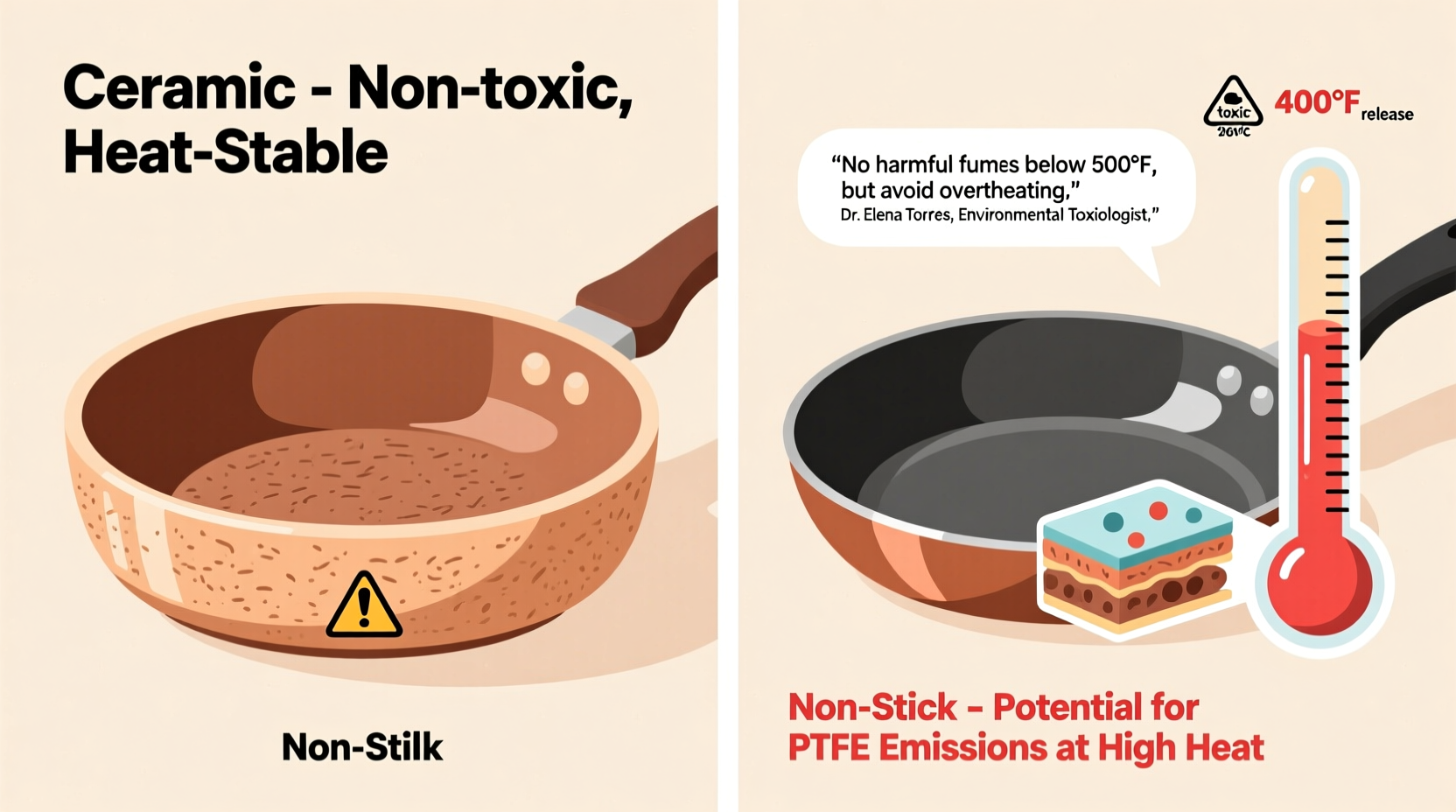
Traditional non-stick pans, popularized by brands like Teflon, rely on a class of synthetic chemicals known as per- and polyfluoroalkyl substances (PFAS). These compounds create an ultra-smooth surface that resists sticking and simplifies cleaning. However, their durability comes at a cost.
In the early 2000s, studies linked one specific chemical—perfluorooctanoic acid (PFOA), once used in the manufacturing of Teflon—to increased risks of kidney cancer, thyroid disease, and developmental issues. While major manufacturers phased out PFOA by 2015 under EPA pressure, many newer non-stick coatings still contain other PFAS variants, sometimes referred to as “regrettable substitutes” by environmental health experts.
“Even without PFOA, many modern non-stick coatings rely on fluorinated chemistry that breaks down into persistent compounds. These don’t disappear from the body or the environment.” — Dr. Laurel Schaider, Environmental Chemist, Silent Spring Institute
One key concern is thermal degradation. When heated above 500°F (260°C), standard non-stick coatings can begin to break down, releasing fumes that cause polymer fume fever—a temporary but serious respiratory condition in humans and often lethal to birds. This risk increases with prolonged high-heat cooking or accidental overheating.
How Ceramic Cookware Works—and Why It’s Marketed as Safer
Ceramic cookware typically refers to metal (usually aluminum) pans coated with a sol-gel derived silica-based layer, giving them a naturally slick finish without fluoropolymers. The term \"ceramic\" here doesn't mean fired clay pots; instead, it describes a glass-like mineral coating made primarily from sand (silicon dioxide).
Because these coatings contain no PFAS, they’re often labeled “PFOA-free,” “PTFE-free,” and “toxin-free.” This makes them appealing to health-conscious consumers, particularly families with young children or individuals concerned about endocrine disruption.
From a toxicological standpoint, the absence of fluorinated chemicals is significant. Unlike PFAS—which bioaccumulate and have half-lives in the human body ranging from years to decades—silica is chemically inert and generally recognized as safe (GRAS) by the U.S. FDA when used in food contact materials.
However, not all ceramic coatings are created equal. Some lower-quality versions may include undisclosed stabilizers, colorants, or binders that could leach under extreme conditions. Independent testing by organizations like Consumer Reports has found trace amounts of heavy metals such as lead or cadmium in a small number of imported ceramic-coated products—though these cases are rare and typically involve off-brand or unregulated suppliers.
Advantages of Ceramic Coatings
- No PFAS, PFOA, or PTFE
- Lower risk of toxic fume emission at high temperatures
- Better environmental profile—non-persistent in ecosystems
- Generally safe for light to moderate cooking tasks
Limits of Ceramic Durability
- Less scratch-resistant than PTFE-based non-stick
- Coating lifespan typically shorter—around 1–3 years with regular use
- Performance declines faster when exposed to metal utensils or abrasive cleaners
What Toxicologists Say About Daily Exposure Risks
Toxicologists assess safety not just by ingredient lists, but by exposure pathways, dose, frequency, and vulnerable populations. In peer-reviewed literature, several key principles emerge regarding cookware safety:
- Dose matters. Even benign substances can be harmful in excessive amounts. But with PFAS, even low-dose chronic exposure is concerning due to bioaccumulation.
- Heat alters chemistry. A compound safe at room temperature may degrade into hazardous byproducts when heated.
- Vulnerable groups need extra caution. Pregnant women, infants, and immunocompromised individuals face higher risks from endocrine disruptors.
A 2022 review published in Environmental Science & Technology analyzed indoor air samples during normal stovetop cooking. It found detectable levels of fluorinated compounds only in homes using PFAS-based non-stick pans—even when not visibly damaged. No such emissions were recorded with ceramic alternatives.
Still, experts caution against assuming “natural-sounding” means “risk-free.”
“The word ‘ceramic’ sounds earthy and safe, but some coatings are heavily processed and may contain proprietary additives we know little about. Transparency in labeling remains a challenge.” — Dr. Jessica Pratt, PhD, Toxicology Research Fellow, Harvard T.H. Chan School of Public Health
Moreover, both types of cookware depend on underlying metals. Most ceramic and non-stick pans use aluminum cores for heat conductivity. While the coating acts as a barrier, scratches or pitting can expose the base metal. Though dietary aluminum intake from cookware is minimal compared to other sources (like antacids or processed foods), those with kidney disease—where aluminum clearance is impaired—are advised to minimize exposure.
Side-by-Side Comparison: Ceramic vs. Traditional Non-Stick
| Feature | Ceramic Cookware | Traditional Non-Stick (e.g., Teflon-type) |
|---|---|---|
| Chemical Base | Silica (SiO₂) coating on aluminum | PTFE with PFAS processing aids |
| PFAS-Free? | Yes, inherently | No—contains fluorinated compounds |
| Safe Temperature Limit | Up to 450°F (230°C) | Up to 500°F (260°C); risk beyond |
| Toxic Fumes When Overheated? | Minimal to none | Yes—can release harmful fumes |
| Lifespan | 1–3 years (varies with care) | 2–5 years |
| Scratch Resistance | Low—requires nylon/wooden tools | Moderate—still sensitive to metal |
| Environmental Impact | Lower persistence; biodegradable base | High—PFAS are “forever chemicals” |
Real-World Case: A Family Switches to Ceramic
The Rivera family in Portland, Oregon, decided to replace all their non-stick pans after learning about PFAS in a local public health seminar. Maria Rivera, a nurse and mother of two toddlers, was especially concerned about cumulative exposure during daily breakfast prep.
They switched to reputable ceramic-coated pans, avoided high-heat cooking, and committed to using only wooden utensils. Within six months, they noticed the ceramic coating on one pan began losing its slickness after accidental metal spatula use. But overall, they reported satisfaction with performance and peace of mind.
“We’re not looking for perfection,” Maria said. “We just want to reduce unnecessary chemical exposure, especially for our kids. Knowing there are no PFAS involved makes a difference.”
Their experience reflects a growing trend: prioritizing precaution over convenience, even if it means replacing cookware more frequently.
Practical Checklist for Safer Cookware Choices
- ✅ Choose PFAS-free labels verified by third parties (e.g., Greenguard, MADE SAFE)
- ✅ Avoid heating any non-stick pan above 450°F (use oil smoke point as a guide)
- ✅ Replace scratched or peeling pans immediately—don’t try to “rescue” them
- ✅ Use wooden, silicone, or nylon utensils only
- ✅ Hand-wash gently with soft sponge and mild detergent
- ✅ Consider long-term alternatives like cast iron, stainless steel, or carbon steel for high-heat tasks
- ✅ Check manufacturer transparency—avoid brands that don’t disclose coating composition
Step-by-Step Guide to Transitioning Safely
Moving away from conventional non-stick requires planning, especially if you rely on it for quick meals. Here’s how to make the switch without sacrificing functionality:
- Inventory Your Current Pans: Identify which ones are older than five years or show visible wear. Prioritize replacing these first.
- Research Trusted Brands: Look for ceramic lines with strong reviews and certifications (e.g., Xtrema, GreenPan, Caraway).
- Start with Low-Risk Tasks: Use ceramic pans for eggs, pancakes, sauces—tasks that don’t require searing or metal utensils.
- Adjust Cooking Habits: Lower heat settings, longer preheating times, and proper fat use (e.g., olive oil, butter) help prevent sticking.
- Phase Out Gradually: Replace non-stick items as they degrade rather than all at once to manage cost.
- Incorporate Durable Alternatives: Add one piece of stainless steel or seasoned cast iron for browning meats or stir-frying.
Frequently Asked Questions
Is ceramic cookware completely free of toxins?
Most high-quality ceramic-coated pans are free of PFAS, lead, and cadmium. However, lack of full ingredient disclosure in some brands means absolute certainty is difficult. Opt for models certified by independent labs to ensure safety.
Can I use ceramic cookware on induction stoves?
Yes—if the base is magnetic. Many ceramic-coated pans now come with induction-compatible bases. Check the product specifications before purchase.
Why does my ceramic pan start sticking after a few months?
This usually results from micro-scratches, built-up residue, or coating degradation from high heat. To extend life, avoid abrasive scrubbers, never use aerosol sprays (which leave carbon deposits), and season lightly with oil after washing.
Conclusion: Making Informed, Health-Conscious Decisions
The evidence suggests that ceramic cookware poses fewer toxicological risks than traditional PFAS-based non-stick options—particularly regarding long-term chemical exposure and environmental impact. While neither type is indestructible or entirely maintenance-free, ceramic offers a compelling alternative for those seeking to minimize contact with synthetic, persistent chemicals.
Toxicologists emphasize prevention through informed choices. You don’t need to eliminate all risk to make meaningful progress. Simply switching to PFAS-free cookware, adjusting heat levels, and replacing damaged pans promptly can significantly reduce your household’s chemical burden.
As research evolves and regulations tighten—such as the EU’s 2023 proposal to restrict nearly all PFAS uses—consumers have more power than ever to demand transparency and safety. Your kitchen is more than a place to prepare food; it’s a space where daily habits shape lifelong health.




 浙公网安备
33010002000092号
浙公网安备
33010002000092号 浙B2-20120091-4
Comments
No comments yet. Why don't you start the discussion?