
Walk into any wellness store or scroll through a health influencer’s feed, and you’ll likely see collagen powder praised as a miracle supplement—promising glowing skin, stronger nails, healthier joints, and even better gut function. But with prices ranging from $20 to over $50 per container, many consumers are asking: is collagen powder actually delivering visible results, or is it just expensive flavored water with clever marketing?
The truth lies somewhere in between. Collagen supplements aren’t magic, but they’re also not meaningless. The effectiveness of collagen powder depends on several factors: the type of collagen used, dosage, consistency of use, individual biology, and lifestyle habits. To separate fact from hype, we need to examine the science, listen to experts, and consider real-world outcomes.
The Science Behind Collagen Supplementation
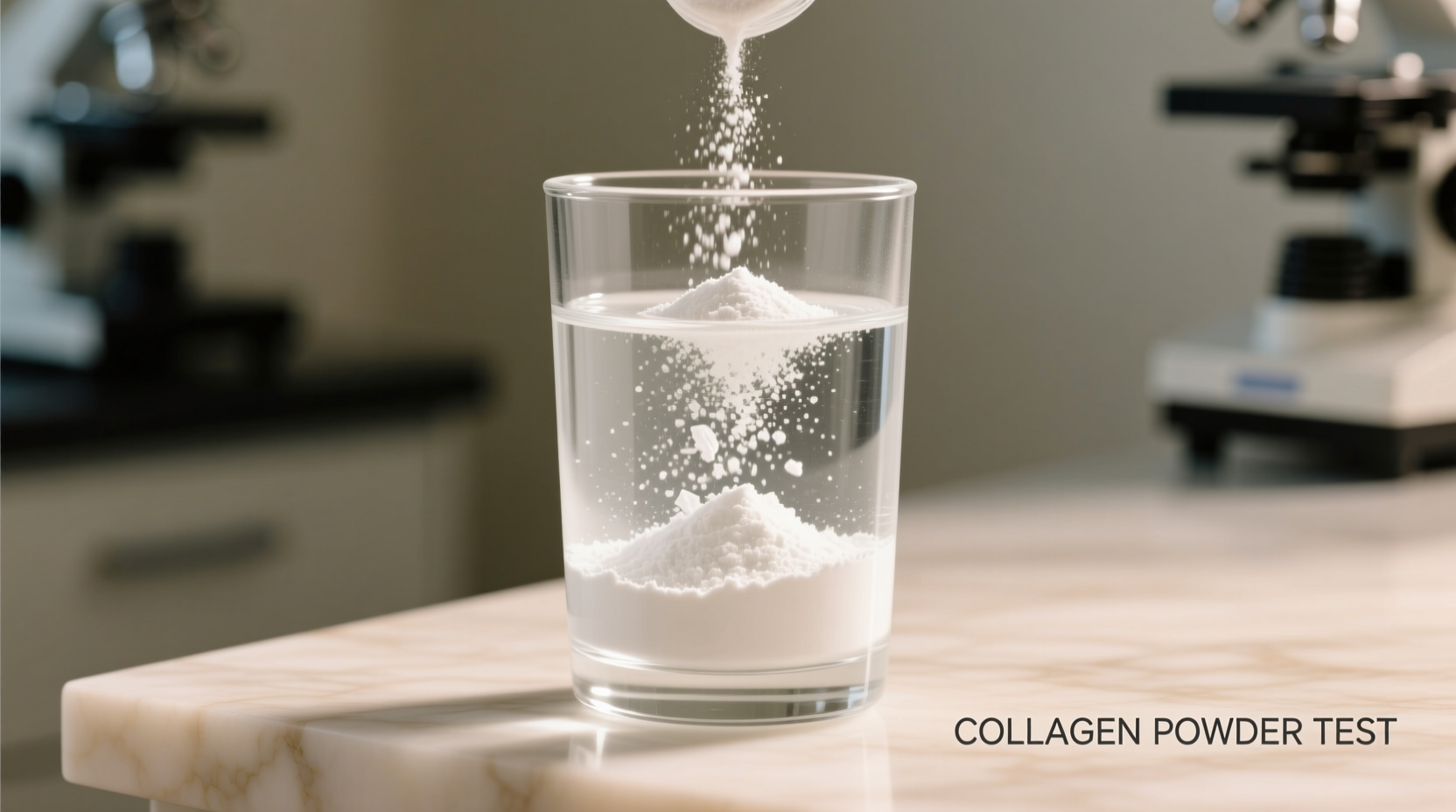
Collagen is the most abundant protein in the human body, making up about 30% of total protein content. It provides structural support to skin, bones, tendons, ligaments, and connective tissues. There are at least 28 types of collagen, but Types I, II, and III account for the vast majority in the body.
Naturally, collagen production declines with age—starting as early as your mid-20s. This decline contributes to visible signs of aging like wrinkles, joint stiffness, and thinner hair. The theory behind collagen supplementation is simple: by ingesting hydrolyzed collagen peptides (small, easily absorbed fragments), the body can redirect these building blocks to where they're needed most.
Multiple clinical studies support this idea. A 2019 meta-analysis published in Aesthetic Surgery Journal reviewed 19 studies and found that oral collagen supplementation significantly improved skin elasticity, hydration, and dermal collagen density after 90 days. Another study in the Journal of Medicinal Food showed that women who took 2.5 grams of collagen daily for 8 weeks experienced reduced wrinkle depth compared to placebo.
But here's the catch: not all collagen products are created equal. Many low-quality powders contain fillers, artificial flavors, or insufficient dosages to trigger measurable effects. That’s why understanding formulation matters just as much as believing in the concept.
“Oral collagen peptides are bioavailable and do accumulate in skin and joint tissues. But you have to take the right type, at the right dose, consistently.” — Dr. Sarah Lin, Dermatologist and Nutritional Biochemist
What Results Can You Actually Expect—and When?
Unlike caffeine or sugar, collagen doesn’t offer immediate sensations. Its benefits unfold gradually over weeks or months. Here’s a realistic timeline based on clinical data and user reports:
Timeline of Visible Changes
- Weeks 4–6: Improved nail strength; fewer broken nails. Some report shinier hair.
- Weeks 8–12: Increased skin hydration and subtle improvements in fine lines. Joint discomfort may begin to ease, especially in active individuals.
- Months 3–6: Noticeable gains in skin firmness and elasticity. Reduced joint pain during movement. Hair may appear thicker.
These changes aren't dramatic overnight transformations. They’re incremental—but often meaningful. For example, someone might notice their wedding ring fits more snugly due to improved skin plumpness, or that stairs no longer cause knee twinges after hiking season.
How to Spot High-Quality vs. Low-Quality Collagen Powders
Not every tub labeled “collagen” delivers the same value. Below is a comparison of key differences between effective and underperforming products.
| Feature | High-Quality Collagen | Low-Quality / Marketing-Driven Product |
|---|---|---|
| Source | Grass-fed bovine, wild-caught fish, or free-range chicken | Unspecified animal sources or factory-farmed origins |
| Type of Collagen | Clearly labeled Type I & III (skin, hair, nails), or Type II (joints) | Vague claims like “multi-collagen” without specifying ratios |
| Dosage per Serving | At least 8–10 grams of pure collagen peptides | Less than 5 grams, often diluted with maltodextrin or flavorings |
| Additives | Minimal—no artificial sweeteners, colors, or preservatives | Sucralose, silicon dioxide, natural flavors (often code for undisclosed chemicals) |
| Third-Party Testing | Lab-certified for purity and heavy metals | No verifiable certifications or transparency reports |
If a product lacks clear labeling or uses vague terms like “proprietary blend,” be skeptical. These blends often hide low concentrations of active ingredients behind impressive-sounding names.
Real-World Example: A 12-Week Trial
Jenna, a 37-year-old yoga instructor from Portland, started taking collagen powder after noticing her skin felt drier and her knees ached more after long classes. She chose a reputable brand with 10g of Type I and III bovine collagen per serving, taking it daily with lemon water (for vitamin C).
After four weeks, she noticed her nails stopped peeling. By week eight, her partner commented that her complexion looked “more lit from within.” At 12 weeks, she measured a 15% improvement in skin elasticity using a home device and reported less joint stiffness during deep lunges.
Was it life-changing? No. But was it noticeable enough to keep using? Absolutely. And when she paused the supplement for two weeks during travel, she observed a reversal in hydration levels—confirming, for her, that the effect wasn’t imagined.
This kind of experience aligns with broader patterns seen in consumer feedback: subtle but consistent improvements, particularly in skin and joint comfort, when using high-dose, clean-formula collagen consistently.
Common Myths and Misconceptions
Despite growing evidence, misinformation persists. Let’s clarify some widespread myths:
- Myth: Collagen is destroyed by stomach acid.
Fact: Hydrolyzed collagen is pre-broken into peptides specifically designed to survive digestion and enter the bloodstream intact. - Myth: Plant-based collagen exists.
Fact: Plants don’t produce collagen. “Vegan collagen” boosters rely on nutrients like vitamin C, silica, and amino acids to support your body’s own production—but they are not collagen themselves. - Myth: More is always better.
Fact: Studies show benefits plateau around 10 grams per day. Taking 20+ grams offers no added advantage and wastes money.
“You can’t out-supplement a poor diet or chronic stress. Collagen works best as part of a holistic approach—not a standalone fix.” — Dr. Marcus Reed, Integrative Medicine Specialist
Action Plan: How to Use Collagen Effectively
To maximize results and avoid wasting money on ineffective products, follow this step-by-step guide:
- Choose the Right Type: For skin, hair, and nails, go for Type I and III. For joints and cartilage, Type II is ideal (commonly found in chicken sternum extract).
- Check the Dose: Aim for 8–10 grams per serving. Read the nutrition label carefully—some brands list “serving size” as two scoops but only provide 5g per scoop.
- Prioritize Absorption: Consume with vitamin C (e.g., mix with citrus fruit, berries, or a supplement). Avoid pairing with high-fat meals if possible.
- Be Consistent: Take it daily for at least 8–12 weeks before evaluating results. Skipping days reduces cumulative benefit.
- Track Progress: Take weekly selfies under consistent lighting, note changes in nail breakage, or journal joint comfort levels during physical activity.
Frequently Asked Questions
Can you get enough collagen from food alone?
Yes, but it’s challenging. Traditional diets rich in bone broth, skin-on fish, and organ meats provide natural collagen. However, modern eating patterns rarely include these regularly. Most people would need to consume large quantities of such foods daily to match the 10g dose used in studies.
Does collagen help with weight loss?
Not directly. Collagen is protein, so it can increase satiety and support muscle maintenance during calorie restriction. But it does not burn fat or accelerate metabolism. Any weight-related benefits are secondary to improved protein intake.
Are there side effects of taking collagen powder?
Generally, collagen is well-tolerated. Some users report mild digestive upset (bloating or heartburn), especially with lower-quality formulas containing additives. People with fish or egg allergies should verify the source. Always consult a doctor if you have kidney disease or are on a restricted protein diet.
Final Verdict: Worth It or Waste of Money?
Collagen powder isn’t a miracle cure, nor is it merely flavored water. It sits firmly in the realm of evidence-supported nutritional support—with measurable, albeit gradual, benefits for skin, joints, and connective tissue.
The key distinction lies in quality and expectations. A premium collagen product, taken correctly over time, can deliver visible improvements for many users. In contrast, cheap, underdosed powders with hidden fillers may indeed be little more than expensive drink mixers.
Think of collagen like sunscreen: it won’t reverse sun damage overnight, but consistent daily use prevents further degradation and supports long-term health. Similarly, collagen won’t erase deep wrinkles or cure arthritis—but it can slow age-related decline and enhance resilience.
Checklist: Is Your Collagen Supplement Effective?
- ✅ Contains at least 8g of hydrolyzed collagen per serving
- ✅ Specifies collagen type (I/III for skin, II for joints)
- ✅ Sourced from clean, traceable origins (grass-fed, wild-caught)
- ✅ Free from artificial sweeteners, fillers, and unnecessary additives
- ✅ Taken daily for a minimum of 8–12 weeks
- ✅ Paired with vitamin C for optimal absorption
Take Action Today
If you’ve been curious about collagen but hesitant due to mixed reviews, start smart. Pick one high-quality product with transparent sourcing and a solid dose. Commit to 90 days of daily use while maintaining a balanced diet and healthy lifestyle. Track subtle shifts in how your skin feels, how your nails hold up, or how your body moves.
You may not wake up one morning with dramatically younger-looking skin. But three months from now, you might realize you haven’t needed cuticle oil in weeks—or that your morning stiffness has faded. Those quiet wins are the real indicators of success.




 浙公网安备
33010002000092号
浙公网安备
33010002000092号 浙B2-20120091-4
Comments
No comments yet. Why don't you start the discussion?