
Dry shampoo has become a staple in modern haircare routines—especially for those juggling busy schedules, post-workout freshness, or second-day styling. It’s convenient, quick, and effective at absorbing excess oil without water. But what happens when convenience turns into habit? When you reach for that aerosol can every single day, are you unknowingly compromising the health of your scalp?
The truth is, while dry shampoo offers undeniable short-term benefits, consistent daily use comes with risks many users overlook. From clogged pores to irritation and even hair thinning, over-reliance on dry shampoo may do more harm than good. This article dives deep into the science behind dry shampoo, explores the real side effects of daily use, and provides practical guidance on how to use it safely—without sacrificing scalp health.
How Dry Shampoo Works: The Science Behind the Spray
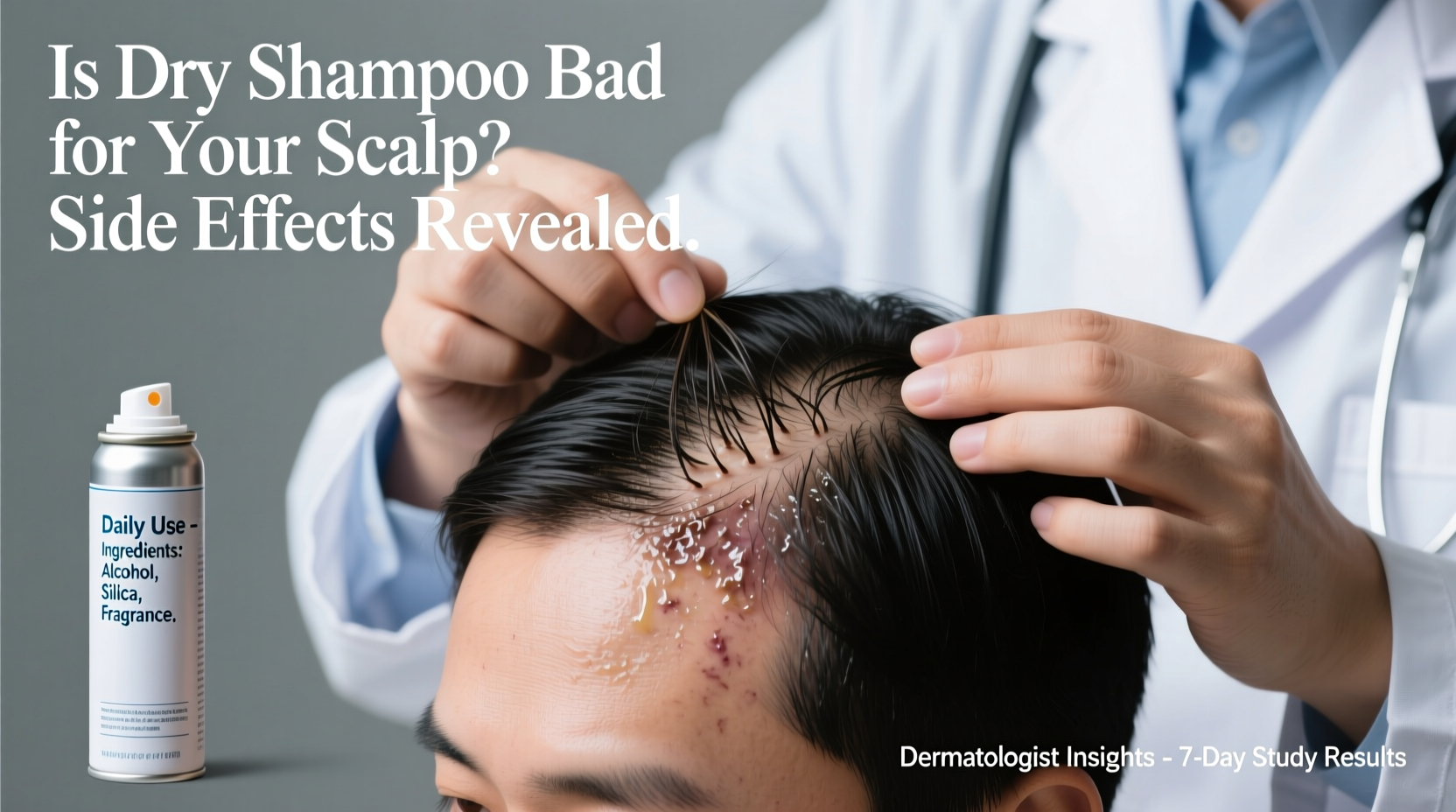
Dry shampoo typically contains absorbent ingredients like starch, silica, or alcohol that bind to sebum—the natural oil produced by your scalp. These compounds sit on the surface of the hair and scalp, soaking up grease and giving strands a refreshed, volumized appearance. Most formulas also include fragrances and propellants (in aerosol versions) to enhance usability and scent.
Unlike traditional shampoo, which cleanses through water-based lathering and rinsing, dry shampoo doesn’t remove dirt, sweat, or product buildup. Instead, it masks oiliness temporarily. While this makes it ideal for occasional use, it means residues accumulate over time—especially if used daily.
Dr. Lena Patel, a board-certified dermatologist specializing in hair and scalp conditions, explains:
“Dry shampoo is not a substitute for cleansing. It’s a cosmetic tool. Overuse leads to residue buildup, which can disrupt the scalp’s microbiome and impair follicle function.”
Side Effects of Daily Dry Shampoo Use
Using dry shampoo once or twice a week is generally safe for most people. However, daily application introduces several potential complications. Here’s what prolonged, frequent use can trigger:
1. Scalp Buildup and Clogged Follicles
Each application leaves behind powdery residues. Over days, these layers combine with dead skin cells, sweat, and environmental pollutants, forming a film on the scalp. This buildup can block hair follicles, leading to:
- Folliculitis (inflammation of hair follicles)
- Impaired hair growth
- Increased dandruff or flaking
2. Disruption of Natural Oil Balance
Your scalp produces sebum to protect and condition hair. When dry shampoo constantly absorbs this oil, the scalp may respond by producing even more—a cycle known as “rebound oiliness.” Over time, this can make hair appear greasier faster, increasing dependence on the product.
3. Irritation and Inflammation
Many dry shampoos contain alcohol, propellants, and synthetic fragrances—all potential irritants. Daily exposure can lead to redness, itching, and sensitivity, especially in individuals with eczema or psoriasis. In severe cases, chronic inflammation may contribute to temporary hair shedding.
4. Increased Risk of Hair Breakage
Residue buildup adds weight to hair strands and reduces elasticity. Combined with mechanical stress from brushing or styling, this increases the likelihood of breakage, particularly near the roots where hair is most vulnerable.
5. Masking Underlying Scalp Issues
Relying on dry shampoo can delay detection of real problems like fungal infections, seborrheic dermatitis, or hormonal imbalances affecting oil production. Because symptoms like itchiness or flakiness are temporarily suppressed, users may ignore warning signs until conditions worsen.
Who Is Most at Risk?
Certain individuals face higher risks when using dry shampoo daily:
- Oily scalp types: Already prone to excess sebum, they may experience accelerated buildup and clogging.
- Curly or textured hair: Often washed less frequently, making them more susceptible to residue accumulation.
- People with sensitive skin: More likely to react to alcohol or fragrance additives.
- Those with fine or thinning hair: Buildup can weigh hair down and exacerbate the appearance of thinning.
Real-Life Example: A Case of Chronic Buildup
Samantha, a 29-year-old marketing executive, began using dry shampoo five days a week during a demanding project season. Within two months, she noticed persistent itching and small bumps along her hairline. Assuming it was dandruff, she increased her dry shampoo use to mask the flakes.
After three months, her scalp felt tight and sore. A visit to a dermatologist revealed moderate folliculitis caused by accumulated product residue and bacterial overgrowth. She was advised to stop all dry shampoo use and undergo a clarifying regimen. After six weeks of weekly clarifying washes and scalp exfoliation, her symptoms resolved—but hair density near the crown had slightly decreased due to miniaturization from inflamed follicles.
Samantha’s case highlights how easily convenience can escalate into a medical issue when usage isn’t monitored.
Safe Use Guidelines: How to Use Dry Shampoo Without Harming Your Scalp
You don’t need to eliminate dry shampoo entirely. With mindful use, it can remain a helpful tool. Follow these steps to minimize risk:
- Limits frequency: Use no more than 2–3 times per week. Allow at least one full wash between uses.
- Target application: Focus on the roots of oily areas (usually the crown and part line), avoiding excessive spraying near the temples and nape.
- Allow time to absorb: Wait 30 seconds after spraying before massaging in to prevent inhalation and ensure even distribution.
- Brush thoroughly: Use a boar bristle brush to remove loose powder and prevent clumping.
- Wash regularly: Never go more than 4–5 days without a thorough shampoo—even if using dry shampoo in between.
Checklist: Healthy Dry Shampoo Habits
- Have I used it in the last 48 hours?
- Can I wash my hair instead?
- Is my scalp itchy, flaky, or tender?
- When was my last clarifying wash?
- Am I using more than necessary to feel clean?
Alternatives to Daily Dry Shampoo
If you're trying to reduce reliance on dry shampoo, several alternatives can help maintain freshness between washes:
| Alternative | How It Helps | Best For |
|---|---|---|
| Scalp wipes | Pre-moistened cloths that lift oil and debris without residue | Post-workout touch-ups |
| Blotting papers | Absorb surface oil gently; reusable options available | Fine or straight hair |
| Rinse-free conditioning sprays | Refresh hair without heavy powders | Dry or damaged hair |
| Texturizing powders (non-aerosol) | Provide volume with less spray dispersion | Thick or wavy hair |
| Co-washing (conditioner-only wash) | Gently removes light buildup while hydrating | Curly or coily textures |
Expert Insight: What Dermatologists Recommend
Dr. Rajiv Mehta, a trichologist at the Center for Hair and Skin Medicine, emphasizes prevention and balance:
“The scalp is an extension of your skin. Would you skip washing your face for days and just blot oil? Probably not. Treat your scalp with the same respect. Dry shampoo should be a pit stop—not the entire journey.”
He recommends incorporating a clarifying shampoo every 7–10 days for regular dry shampoo users. Additionally, he advises against using dry shampoo on broken or irritated skin, such as after chemical treatments or scalp micropigmentation.
FAQ: Common Questions About Dry Shampoo and Scalp Health
Can dry shampoo cause hair loss?
Not directly, but chronic scalp inflammation from buildup can weaken hair follicles over time, potentially leading to temporary thinning or shedding. This is usually reversible with proper cleansing and reduced product use.
How do I know if my scalp is suffering from dry shampoo buildup?
Signs include persistent itchiness, white or yellowish flakes that don’t improve with anti-dandruff shampoo, visible powder under natural light, and hair that feels stiff or greasy despite recent use of dry shampoo.
Are natural or organic dry shampoos safer for daily use?
While they often contain fewer synthetic chemicals, “natural” doesn’t mean harmless. Starch-based formulas can still clog pores, and essential oils may irritate sensitive scalps. Even plant-derived ingredients require moderation. No dry shampoo is designed for daily long-term use.
Conclusion: Balancing Convenience and Scalp Wellness
Dry shampoo is a powerful ally in fast-paced lifestyles, offering instant refreshment and extended styling life. But like any cosmetic product, its value depends on how it's used. Daily reliance disrupts the scalp’s natural ecosystem, inviting buildup, irritation, and long-term damage that outweighs the short-term convenience.
The key lies in intentionality. Reserve dry shampoo for true emergencies or special occasions. Prioritize regular washing with sulfate-free or clarifying shampoos. Listen to your scalp—if it’s itching, flaking, or feeling heavy, it’s signaling a need for reset.
Healthy hair starts with a healthy scalp. By treating dry shampoo as a supplement rather than a substitute, you preserve both hygiene and hair integrity. Make informed choices today, and your scalp will thank you tomorrow.




 浙公网安备
33010002000092号
浙公网安备
33010002000092号 浙B2-20120091-4
Comments
No comments yet. Why don't you start the discussion?