
Dry shampoo has become a staple in many people’s grooming routines—offering a quick fix for greasy hair between washes, saving time, and extending blowouts. But as its popularity grows, so do concerns about long-term scalp health. One question keeps surfacing: is dry shampoo causing buildup on my scalp? The short answer is yes—when used improperly or too frequently, dry shampoo can contribute to significant product accumulation, clogged follicles, and even irritation. Understanding how and why this happens is essential to maintaining both clean hair and a healthy scalp.
Unlike traditional shampoos that cleanse with water and surfactants, dry shampoos rely on absorbent ingredients like starch, alcohol, and silica to soak up excess oil from the hair shaft. While effective in the short term, these powders don’t rinse away. Over time, they settle into the scalp, mixing with natural sebum, dead skin cells, and environmental pollutants. Without regular cleansing, this mixture hardens into a stubborn layer of residue that can disrupt the scalp’s natural balance.
How Dry Shampoo Works—and Where It Goes Wrong
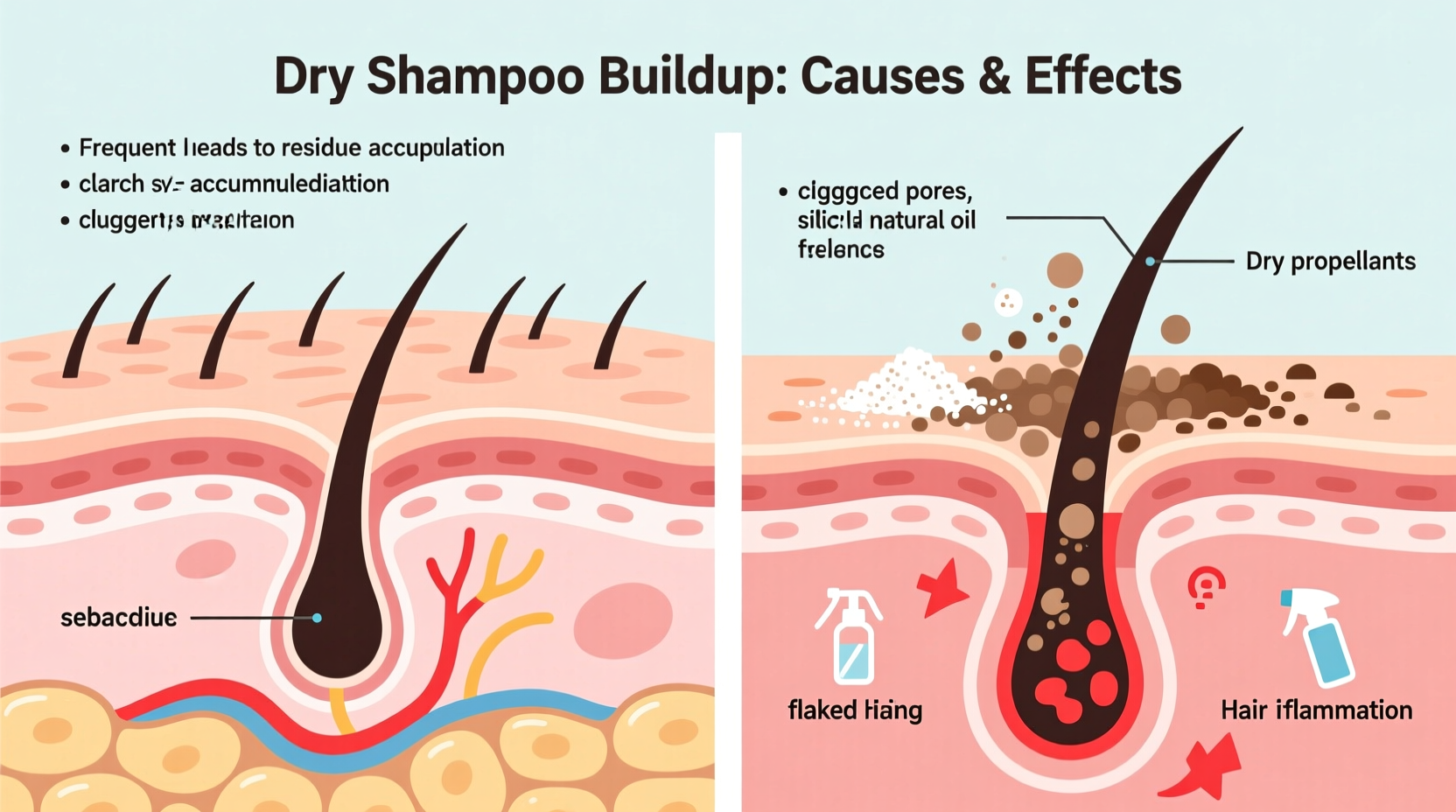
Dry shampoo functions by absorbing oil at the roots, giving hair volume and a refreshed appearance without water. Most aerosol formulas contain propellants that disperse fine particles onto the scalp. These particles cling to oil and dirt, which are then brushed out. However, not all residue is removed during brushing. A portion remains embedded in hair follicles or adheres to the scalp surface.
The primary culprits behind buildup are:
- Absorbent powders (like cornstarch, rice starch, or talc) that accumulate if not fully combed out.
- Alcohol-based solvents that can dry out the scalp, leading to flaking and increased shedding of dead skin cells—which mix with leftover product.
- Fragrances and silicones added for scent and texture, which coat the scalp and resist easy removal.
Over weeks of repeated use, especially without thorough washing, these components form a film. This film may not be visible at first but can manifest through symptoms like itchiness, flakiness, or dullness in hair.
Signs Your Scalp Is Suffering from Buildup
Scalp buildup from dry shampoo doesn’t always announce itself dramatically. Instead, it develops subtly, often mistaken for dandruff or hormonal changes. Watch for these warning signs:
- Persistent itching – A constant urge to scratch, even after washing, suggests trapped irritants.
- White or grayish flakes – Unlike dandruff, which tends to be oily and yellowish, dry shampoo flakes are typically powdery and chalky.
- Tightness or discomfort – A feeling of tension or soreness on the scalp may indicate inflammation due to clogged pores.
- Thinning hair or reduced growth – When follicles are blocked, hair may struggle to grow normally, leading to temporary shedding.
- Oily roots with dry ends – Paradoxically, a congested scalp can trigger overproduction of sebum as the skin tries to compensate for dryness caused by alcohol-heavy formulas.
In more severe cases, prolonged neglect can lead to scalp folliculitis—an infection of the hair follicles marked by red, pimple-like bumps. Dermatologists increasingly report patients whose folliculitis stems directly from excessive dry shampoo use.
Expert Insight: What Dermatologists Say
“Dry shampoo is a convenient tool, but it's not a substitute for cleansing. I’ve seen patients develop contact dermatitis and fungal imbalances simply because they hadn’t washed their hair in over two weeks. The scalp needs exfoliation and hydration just like facial skin.” — Dr. Lena Patel, Board-Certified Dermatologist
Dr. Patel emphasizes that while dry shampoo absorbs oil, it does nothing to remove bacteria, sweat, or environmental debris. “Think of it like wiping your face with a dry cloth instead of washing it. You might look cleaner temporarily, but you’re not actually cleansing,” she explains.
Another concern raised by trichologists—the specialists who study hair and scalp disorders—is the pH imbalance caused by frequent dry shampoo application. Many formulas are alkaline, which can disrupt the scalp’s slightly acidic environment (around pH 5.5). This shift weakens the skin barrier, making it more vulnerable to irritation and microbial overgrowth.
Step-by-Step Guide to Removing and Preventing Buildup
If you suspect buildup, don’t panic. With the right routine, you can restore scalp health. Follow this five-step process:
- Stop using dry shampoo for 3–5 days – Allow your scalp to reset and avoid adding more residue.
- Wash with a clarifying shampoo – Use a sulfate-free clarifying formula once to dissolve accumulated oils and powders. Massage gently for 2–3 minutes to lift debris from follicles.
- Exfoliate the scalp – Apply a physical or chemical exfoliant. For physical scrubs, look for microbeads or sugar-based products; for chemical options, choose salicylic acid or glycolic acid treatments.
- Rinse thoroughly – Ensure no product traces remain, especially near the hairline and nape.
- Resume washing every 2–3 days – Maintain balance by alternating regular shampoo with co-washing or gentle formulas.
After detoxing, reintroduce dry shampoo cautiously—no more than twice a week—and always follow up with a full wash within 48 hours.
Do’s and Don’ts of Dry Shampoo Use
| Do’s | Don’ts |
|---|---|
| Use on second- or third-day hair, not immediately after styling | Apply daily without washing |
| Hold the can 6–8 inches from scalp to distribute evenly | Spray too close, causing clumping |
| Massage into roots with fingertips or brush thoroughly | Leave residue sitting overnight without brushing |
| Choose formulas with minimal fragrance and alcohol | Use expired products (propellants degrade, increasing risk of clogging) |
| Pair with weekly scalp treatments like clay masks | Mix multiple dry shampoos or sprays without cleansing in between |
Real Example: Sarah’s Scalp Recovery Journey
Sarah, a 29-year-old graphic designer, relied on dry shampoo five times a week to manage her oily roots and save time during hectic workdays. After six months, she noticed persistent itching and small bumps along her hairline. Assuming it was stress-related, she continued her routine until her hairstylist pointed out thick, chalky deposits near her crown.
She visited a dermatologist, who diagnosed mild folliculitis and recommended a complete break from dry shampoo. Following a regimen of bi-weekly clarifying washes and nightly scalp massages with jojoba oil, Sarah saw improvement within three weeks. “I had no idea something so convenient could be harming my scalp,” she said. “Now I only use dry shampoo before events—and I always wash it out the next day.”
Choosing the Right Dry Shampoo for Your Scalp Type
Not all dry shampoos are created equal. Selecting one tailored to your scalp condition can reduce the risk of buildup:
- Oily scalps benefit from lightweight, alcohol-based formulas with mattifying agents like kaolin clay.
- Dry or sensitive scalps should avoid alcohol and opt for oat-based or aloe-infused sprays that soothe while absorbing oil.
- Colored or chemically treated hair needs tinted versions to prevent white residue and protect dye integrity.
- Thick or curly hair works best with pump sprays or powders applied section by section for even distribution.
Read labels carefully. Products labeled “volumizing” or “texturizing” often contain higher levels of wax and polymers—ingredients notorious for clinging to the scalp.
FAQ
Can dry shampoo cause hair loss?
Directly, no—but prolonged buildup can clog hair follicles, restrict growth, and lead to temporary shedding. Inflammation from untreated buildup may also weaken hair roots over time.
How often is it safe to use dry shampoo?
No more than two consecutive days. Ideally, limit use to 1–2 times per week and always follow with a proper shampoo wash within 24–48 hours.
Is there a natural alternative to commercial dry shampoo?
Yes. Cornstarch or arrowroot powder applied sparingly with a makeup brush can absorb oil. Add cocoa powder for darker hair tones. However, even natural powders require thorough brushing and regular washing to prevent accumulation.
Checklist: Healthy Dry Shampoo Habits
- ☐ Wash hair at least twice a week, regardless of dry shampoo use
- ☐ Brush hair thoroughly after every application
- ☐ Use only on midday or evening of non-wash days—not immediately after styling
- ☐ Perform a clarifying wash once every 7–10 days
- ☐ Monitor scalp for itching, flaking, or bumps
- ☐ Replace dry shampoo every 6–12 months (check expiration date)
- ☐ Avoid spraying near eyes or inhaling propellant fumes
Conclusion
Dry shampoo isn’t inherently harmful—but treating it as a replacement for washing is. The convenience it offers comes with a responsibility to monitor scalp health and maintain a balanced routine. Buildup doesn’t happen overnight, but neither does recovery. By recognizing early signs, choosing better formulas, and committing to regular cleansing, you can enjoy the benefits of dry shampoo without compromising your scalp.




 浙公网安备
33010002000092号
浙公网安备
33010002000092号 浙B2-20120091-4
Comments
No comments yet. Why don't you start the discussion?