
Energy is currency in modern life. Whether you're powering through a workday, training for a marathon, or managing family responsibilities, sustained mental and physical energy is essential. In recent years, intermittent fasting (IF) has surged in popularity as a tool not only for weight loss but also for boosting energy. But is this benefit backed by science—or is it simply the placebo effect wrapped in wellness marketing?
The answer isn't black and white. While some people report feeling sharper, more focused, and less sluggish after adopting IF, others experience fatigue, brain fog, and irritability—especially during the adjustment phase. To understand whether intermittent fasting truly enhances energy or if it's just a fleeting health fad, we need to examine how it affects metabolism, hormones, cellular function, and circadian biology.
The Science Behind Energy Regulation
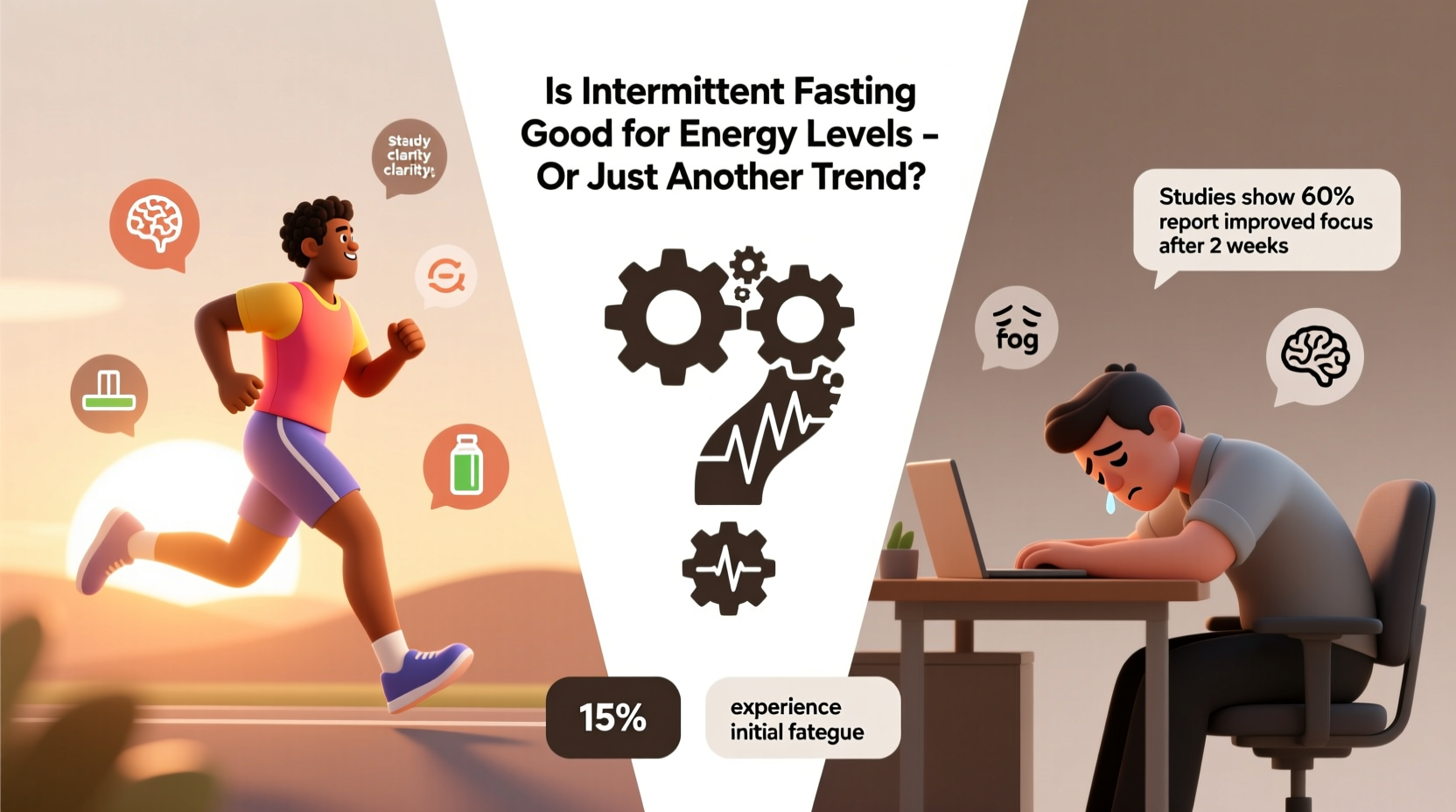
Energy levels aren’t determined solely by how much food you eat, but by how efficiently your body converts nutrients into usable fuel—primarily adenosine triphosphate (ATP). This process hinges on insulin sensitivity, mitochondrial function, and hormonal balance.
Intermittent fasting influences all three. During fasting periods, insulin levels drop significantly. Lower insulin allows the body to shift from glucose-based energy production to fat oxidation—a metabolic state known as ketosis. Fatty acids are converted into ketones, which serve as an efficient fuel source for both the brain and muscles.
“Ketones provide a cleaner, more stable form of energy compared to glucose spikes and crashes.” — Dr. Mark Mattson, former Chief of the Laboratory of Neurosciences at the National Institute on Aging
This metabolic flexibility—the ability to switch between fuel sources—is often diminished in people who eat frequently throughout the day. Intermittent fasting helps restore it, potentially leading to steadier energy levels without the mid-afternoon crash.
Types of Intermittent Fasting and Their Impact on Energy
Not all fasting protocols are created equal. The timing, duration, and frequency of fasting windows can dramatically influence how you feel. Here’s how common methods compare:
| Method | Fasting Window | Typical Energy Response | Best For |
|---|---|---|---|
| 16:8 (Time-Restricted Eating) | 16 hours fast, 8-hour eating window | Moderate boost after adaptation; minimal fatigue | Beginners, office workers, consistent routines |
| 18:6 | 18 hours fast, 6-hour window | More pronounced mental clarity; possible early fatigue | Those seeking deeper metabolic effects |
| 5:2 Diet | Eat normally 5 days, restrict calories (~500–600) 2 non-consecutive days | Low energy on restriction days; rebound energy on normal days | People who prefer calorie control over time limits |
| Alternate-Day Fasting | Fast every other day | Frequent fatigue and irritability; not sustainable for most | Short-term use under medical supervision |
| OMAD (One Meal a Day) | 23-hour fast, one large meal | High risk of energy dips, nutrient deficiency, and overeating | Experienced fasters only; not recommended long-term |
For most individuals aiming to improve energy, the 16:8 method offers the best balance between efficacy and sustainability. It aligns well with natural circadian rhythms, especially when the eating window is set between 10 a.m. and 6 p.m., avoiding late-night meals that disrupt sleep and digestion.
Why Some People Feel More Energized—and Others Don’t
The response to intermittent fasting varies widely based on lifestyle, diet quality, stress levels, sleep, and biological sex. Women, for example, may be more sensitive to extended fasting due to hormonal fluctuations linked to reproductive cycles. Cortisol and leptin responses can become dysregulated with aggressive fasting, leading to fatigue, insomnia, and even menstrual irregularities.
Diet composition during eating windows also plays a critical role. Someone who breaks their fast with processed carbs and sugar will likely experience a quick spike followed by a crash—undermining any potential energy gains from fasting. Conversely, those who prioritize whole foods rich in protein, healthy fats, and fiber tend to maintain steady energy.
Sleep quality is another key variable. Fasting can improve sleep by regulating circadian genes like BMAL1 and CLOCK, but only if meal timing supports natural rhythms. Eating too close to bedtime suppresses melatonin and increases core body temperature, impairing restorative sleep—the foundation of daytime energy.
A Real-Life Example: Sarah’s Transition to 16:8 Fasting
Sarah, a 38-year-old project manager, struggled with afternoon fatigue and reliance on coffee and snacks to stay alert. After reading about time-restricted eating, she decided to try the 16:8 method. She began by eating between 10 a.m. and 6 p.m., skipping breakfast but drinking black coffee and herbal tea in the morning.
The first week was challenging—she felt lightheaded by mid-morning and irritable by noon. But by day 10, her hunger subsided, and she noticed improved concentration during meetings. By the third week, her afternoon slump had disappeared. She no longer needed a second cup of coffee and found herself going to bed earlier, waking up refreshed.
What made the difference? Sarah paired fasting with dietary improvements: more leafy greens, lean proteins, avocados, nuts, and hydration. She also avoided screens before bed and prioritized seven to eight hours of sleep. Her case illustrates that fasting alone isn’t a magic bullet—context matters.
Step-by-Step Guide to Using IF for Better Energy
If you're considering intermittent fasting to enhance energy, follow this gradual, evidence-based approach:
- Assess Your Current Routine: Track your meals, energy levels, sleep, and mood for three days. Identify patterns like post-lunch crashes or nighttime snacking.
- Choose a Gentle Entry Point: Begin with a 12-hour fast (e.g., 7 p.m. to 7 a.m.). This is physiologically mild and aligns with natural overnight fasting.
- Extend Gradually: After one week, push the window to 13 or 14 hours. Then progress toward 16:8 over 2–3 weeks.
- Optimize Meal Quality: Focus on balanced meals with protein, complex carbs, and healthy fats. Avoid refined sugars and trans fats.
- Stay Hydrated: Drink water, herbal teas, or electrolyte-infused beverages during fasting periods to prevent dehydration-related fatigue.
- Monitor Energy & Adjust: Keep a journal. If you feel weak, dizzy, or anxious, shorten the fast or add a small snack (e.g., a handful of almonds).
- Respect Biological Differences: Women should consider syncing fasting with their menstrual cycle—lighter fasting during the luteal phase (days 15–28), when energy demands are higher.
Common Pitfalls That Drain Energy Instead of Boosting It
Many people abandon intermittent fasting because they unknowingly sabotage their results. Common mistakes include:
- Overeating during feeding windows: Consuming excessive calories negates metabolic benefits and leads to sluggishness.
- Skipping protein: Low protein intake accelerates muscle loss and reduces satiety, increasing fatigue.
- Dehydration: Even mild dehydration impairs cognitive performance and physical stamina.
- Poor sleep hygiene: Fasting won’t compensate for chronic sleep deprivation.
- Ignoring individual needs: Athletes, pregnant women, and those with medical conditions require tailored approaches.
Expert Insights: What the Research Says
Multiple studies support the idea that properly implemented intermittent fasting can enhance energy and cognitive function. A 2020 review published in The New England Journal of Medicine concluded that IF improves mitochondrial efficiency, reduces oxidative stress, and increases BDNF (brain-derived neurotrophic factor), a protein linked to mental clarity and resilience.
“Intermittent fasting doesn’t just help people lose weight—it enhances cellular repair processes like autophagy, which clears out damaged components and keeps cells functioning optimally.” — Dr. Rafael de Cabo, Chief of the Translational Gerontology Branch at NIH
However, experts caution against viewing IF as a one-size-fits-all solution. Long-term adherence is low in some populations, and forced fasting can trigger disordered eating behaviors in susceptible individuals. The goal should be metabolic health—not restriction for its own sake.
Frequently Asked Questions
Can intermittent fasting cause fatigue?
Yes, especially during the initial adaptation phase (first 1–2 weeks). As your body shifts from glucose to fat burning, you may experience temporary tiredness, headaches, or irritability. These symptoms usually resolve as metabolic flexibility improves. Ensuring adequate hydration and electrolyte intake can minimize discomfort.
Will I have enough energy to exercise while fasting?
Most people can maintain moderate exercise during fasting, particularly once adapted. Low-intensity workouts like walking, yoga, or light resistance training are well-tolerated. High-intensity sessions may require strategic timing—either right before breaking the fast or during the eating window when glycogen stores are replenished.
Is intermittent fasting sustainable for long-term energy management?
For many, yes—but sustainability depends on personal preference and lifestyle fit. Time-restricted eating (like 16:8) tends to be more maintainable than extreme protocols. The key is choosing a rhythm that supports consistent energy, good nutrition, and overall well-being without causing stress.
Final Thoughts: Beyond the Trend
Intermittent fasting is more than a trend—it’s a physiological strategy rooted in human evolution. Our ancestors didn’t have access to constant food; they thrived in cycles of feast and famine. Modern lifestyles, with round-the-clock eating, have disrupted these natural rhythms, contributing to metabolic dysfunction and energy instability.
When applied thoughtfully, intermittent fasting can reset metabolic health, reduce inflammation, and promote sustained energy. But it’s not a standalone fix. Its success depends on what you eat, how you sleep, your stress levels, and your unique biology.
The real power of fasting lies not in skipping meals, but in reclaiming control over your body’s energy systems. Done right, it can help you break free from sugar dependence, stabilize mood, and unlock a deeper, more resilient form of vitality.




 浙公网安备
33010002000092号
浙公网安备
33010002000092号 浙B2-20120091-4
Comments
No comments yet. Why don't you start the discussion?