
After an intense workout, one of the first things people reach for is water. But a simple question often arises: should that water be cold or at room temperature? While both options seem harmless, emerging research and expert opinions suggest subtle but meaningful differences in how each affects your body post-exercise. The choice isn’t just about preference—it can influence hydration efficiency, core temperature regulation, digestion, and even athletic recovery. Understanding these factors allows you to make a more informed decision based on your activity level, environment, and personal physiology.
The Role of Hydration After Exercise
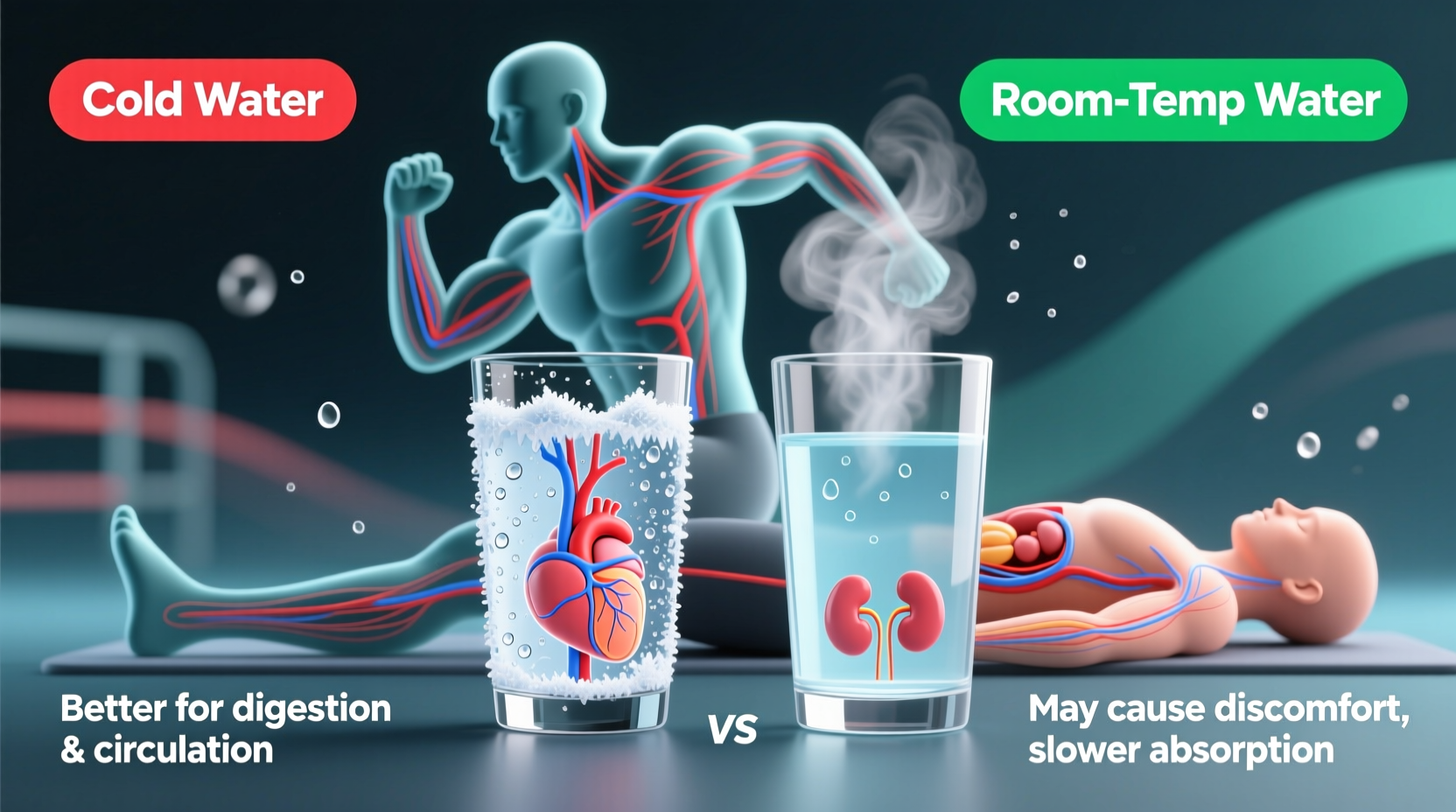
During physical activity, your body loses fluids primarily through sweat. Even mild dehydration—defined as a 2% loss of body weight due to fluid loss—can impair performance, reduce concentration, and increase fatigue. Replenishing fluids quickly and effectively is essential for restoring blood volume, supporting circulation, and aiding muscle recovery.
Water plays multiple roles beyond quenching thirst:
- Regulates body temperature: Helps dissipate heat accumulated during exertion.
- Supports nutrient transport: Facilitates delivery of glucose and electrolytes to fatigued muscles.
- Aids kidney function: Prevents over-concentration of waste products in the bloodstream.
- Maintains joint lubrication: Supports connective tissue resilience during recovery.
Given these functions, not only the amount but also the temperature of the water consumed may impact how efficiently your body rehydrates and recovers.
Cold Water: Cooling Benefits and Potential Drawbacks
Cold water—typically defined as between 0°C and 15°C (32°F–59°F)—is often preferred after exercise, especially in hot environments or following high-intensity workouts. Its primary advantage lies in its ability to lower core body temperature rapidly.
A study published in the Journal of Athletic Training found that athletes who consumed cold water during and after exercise in warm conditions experienced faster declines in internal temperature compared to those drinking room-temperature water. This cooling effect can help prevent heat exhaustion and improve comfort, particularly when exercising in humid climates.
Beyond thermoregulation, cold water may also enhance palatability. Many individuals find colder liquids more refreshing, which can encourage greater fluid intake immediately post-workout—a crucial factor in preventing under-hydration.
However, there are notable drawbacks. Cold water can cause gastrointestinal discomfort in some individuals, especially if consumed rapidly after vigorous activity. The sudden drop in stomach temperature may trigger cramping or spasms in sensitive systems. Additionally, vasoconstriction—the narrowing of blood vessels in response to cold—may slightly slow the rate at which water is absorbed in the intestines, though evidence on this remains inconclusive.
Room Temperature Water: Gentle on Digestion, But Slower to Cool
Room temperature water—generally around 20°C to 25°C (68°F–77°F)—is closer to the body’s natural internal temperature. As such, it tends to be gentler on the digestive tract and may promote smoother absorption.
Proponents argue that because the body doesn’t need to expend energy adjusting the temperature of room-temperature water before absorption, it may hydrate more efficiently. While the metabolic cost of warming cold water is minimal, the cumulative effect could matter in prolonged endurance scenarios or for individuals with compromised digestive systems.
In traditional practices such as Ayurveda, warm or room-temperature water is recommended after physical exertion to support “digestive fire” (agni) and avoid shocking the system. Though rooted in holistic medicine rather than clinical trials, this perspective aligns with anecdotal reports from athletes who experience bloating or nausea when drinking very cold water post-exercise.
On the downside, room-temperature water lacks the immediate cooling sensation that many exercisers crave. In hot weather, it may feel less satisfying, potentially reducing voluntary fluid consumption. This behavioral factor can indirectly lead to inadequate rehydration if individuals drink less simply because the water feels less appealing.
Comparative Analysis: Cold vs. Room Temperature Water
| Factor | Cold Water (0–15°C) | Room Temperature Water (20–25°C) |
|---|---|---|
| Core Temperature Regulation | Highly effective; promotes rapid cooling | Limited cooling effect |
| Digestive Comfort | Potential for cramping in sensitive individuals | Generally well-tolerated |
| Hydration Rate | Slightly delayed absorption possible | Potentially faster due to less thermal shock |
| Palatability & Intake Volume | Higher appeal in heat; encourages drinking | May feel less refreshing; lower intake risk |
| Best Use Case | Hot environments, intense cardio, heat stress | Cool climates, light activity, sensitive stomachs |
“Temperature matters more than we used to think. For endurance athletes training in extreme heat, cold fluids can be a strategic tool—not just a comfort.” — Dr. Lena Torres, Sports Nutritionist and Performance Researcher
Real-World Example: Marathon Training in Summer Heat
Consider Sarah, a recreational runner preparing for her first marathon. She trains primarily in early summer afternoons when temperatures regularly exceed 32°C (90°F). During long runs, she carries a hydration belt with ice-cold water. After one particularly grueling 18-kilometer session, she drinks nearly 750ml of chilled water within 15 minutes. She reports feeling cooler, more alert, and experiences no stomach issues.
In contrast, during a winter half-marathon prep run at 10°C (50°F), she opts for room-temperature water from home. Despite similar effort levels, she finishes without excessive sweating and feels adequately hydrated with smaller sips taken gradually. On this occasion, cold water would have been unnecessary—and possibly uncomfortable.
Sarah’s experience illustrates that context dictates the optimal choice. Her body responded positively to cold water when heat dissipation was critical, while room temperature sufficed in milder conditions. Personalization, not dogma, leads to better outcomes.
Actionable Tips for Optimal Post-Workout Hydration
To maximize hydration effectiveness, consider the following checklist tailored to different scenarios:
Post-Exercise Hydration Checklist
- Assess your sweat rate: Weigh yourself before and after exercise. For every kilogram lost, drink approximately 1.5 liters of fluid to fully rehydrate.
- Check ambient temperature: Above 27°C? Cold water may offer thermoregulatory benefits.
- Monitor digestive sensitivity: If cold water causes cramps, switch to room temperature or slightly cool (not icy).
- Include electrolytes when needed: For workouts lasting over 60–90 minutes, add sodium and potassium to prevent hyponatremia.
- Sip gradually: Chugging large volumes quickly—regardless of temperature—can overwhelm the stomach.
- Wait 5–10 minutes post-exercise: Allow heart rate to stabilize before consuming large amounts of liquid.
Step-by-Step Guide: Choosing the Right Water Temperature
Follow this sequence after your workout to determine the best hydration strategy:
- Pause and evaluate: How intense was the session? Did you sweat heavily?
- Feel your skin: Is it hot and flushed? Core cooling may be beneficial.
- Consider the weather: Hot and humid = lean toward cold water. Cool and dry = room temperature is sufficient.
- Listen to your gut: Have you had stomach issues with cold drinks before? Err on the side of warmth.
- Start with small sips: Test tolerance before increasing intake volume.
- Reassess after 10 minutes: Are you feeling lightheaded, bloated, or still overheated? Adjust accordingly.
This structured approach helps eliminate guesswork and supports consistent, effective hydration habits.
Frequently Asked Questions
Does cold water burn more calories than room temperature water?
Technically, yes—but the effect is negligible. Your body uses a small amount of energy to warm cold water to internal temperature, burning roughly 8–10 calories per liter. While scientifically real, this calorie expenditure is too low to impact weight loss meaningfully.
Can drinking very cold water after exercise cause throat irritation?
In some individuals, especially those with asthma or reactive airways, cold liquids may trigger throat tightness or coughing. If you notice this reaction, allow water to sit for a few minutes before drinking or opt for cooler (not icy) temperatures.
Is there a risk in drinking room temperature water left in a bottle for hours?
Yes. Water sitting at room temperature in plastic bottles, especially in warm environments, may promote bacterial growth or leaching of chemicals like BPA. Always use clean containers and avoid leaving water in direct sunlight or hot cars for extended periods.
Conclusion: Match Water Temperature to Your Needs
The debate over cold versus room temperature water after exercise doesn't end with a single winner. Instead, the best choice depends on individual goals, environmental conditions, and physiological responses. Cold water excels in heat management and can boost fluid intake through enhanced palatability. Room temperature water offers gentler digestion and may support steady absorption without thermal disruption.
Rather than adhering rigidly to one method, cultivate awareness. Pay attention to how your body responds in different situations. Use cold water strategically when cooling is a priority, and rely on room temperature options when comfort and consistency matter most.




 浙公网安备
33010002000092号
浙公网安备
33010002000092号 浙B2-20120091-4
Comments
No comments yet. Why don't you start the discussion?