
Choosing the right bedding isn’t just about matching colors or thread counts—it’s about how your sheets, duvets, and blankets feel against your skin and how they respond to temperature, movement, and personal preferences. Many people assume that sticking to one fabric type ensures consistency, but in reality, layering different materials can elevate both comfort and functionality. The key lies in understanding which combinations work well together and which can lead to discomfort, overheating, or premature wear.
Mixing bedding materials is not only acceptable—it’s often recommended by sleep experts and interior designers alike when done thoughtfully. A blend of textures can create a luxurious, hotel-like aesthetic while improving breathability, moisture control, and thermal regulation throughout the night.
Why Mixing Bedding Materials Works
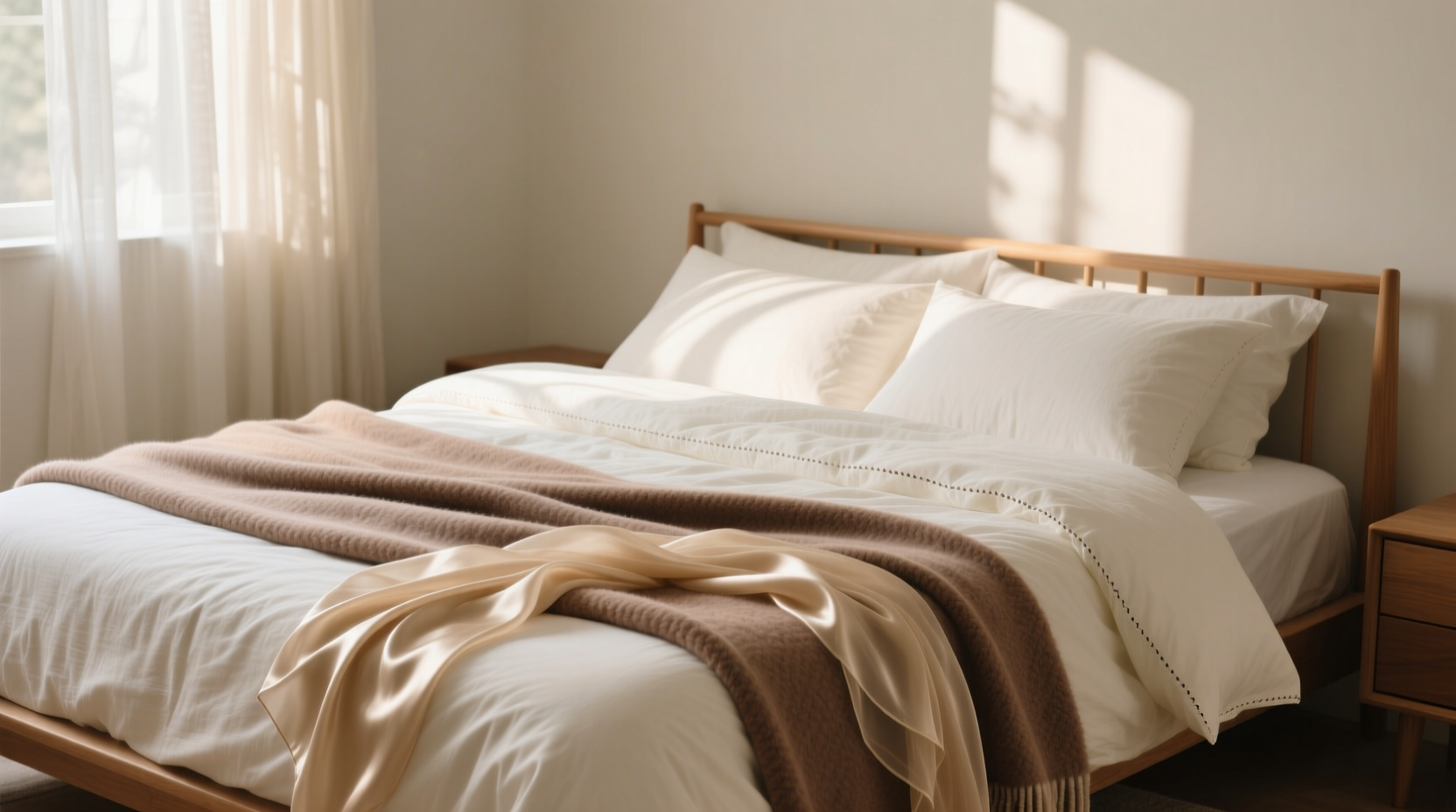
The human body doesn’t experience sleep uniformly. Temperature fluctuates, movement varies, and comfort needs shift depending on season, health, and even emotional state. Relying solely on one fabric—like 100% cotton or polyester blends—can limit your ability to adapt to these changes.
Different fabrics offer distinct benefits:
- Cotton: Breathable, soft, and durable—ideal for warm sleepers.
- Linen: Highly absorbent, naturally cooling, and gets softer with each wash.
- Silk: Smooth, hypoallergenic, and temperature-regulating—but delicate and higher maintenance.
- Bamboo: Eco-friendly, moisture-wicking, and silky-smooth with natural antimicrobial properties.
- Polyester blends: Affordable and wrinkle-resistant, though less breathable than natural fibers.
- Fleece or flannel: Warm and cozy, perfect for winter but prone to trapping heat.
By combining materials strategically, you can harness the strengths of each. For example, pairing a crisp cotton duvet cover with a soft microfiber sheet set adds contrast in texture while maintaining ease of care. Or using a linen top sheet over a silk sleeping bag liner introduces airflow without sacrificing smoothness.
“Layering different textiles in bedding allows for personalized comfort zones. It’s not about uniformity—it’s about synergy.” — Dr. Lena Pruitt, Sleep Environment Researcher, National Sleep Foundation
Best Material Combinations for Comfort and Function
Not all fabric pairings are created equal. Some enhance performance; others cause friction, pilling, or inconsistent temperature control. Below is a comparison of effective and ineffective combinations based on fiber compatibility, breathability, and tactile harmony.
| Combination | Benefits | Drawbacks |
|---|---|---|
| Cotton sheets + Linen duvet cover | Excellent breathability, ideal for hot climates or restless sleepers | Linen may wrinkle more; cotton might pill if low-thread-count |
| Bamboo sheets + Silk pillowcase | Ultra-smooth, gentle on skin and hair; reduces frizz and facial creasing | Silk requires hand washing; bamboo may shrink if dried at high heat |
| Flannel sheets + Down comforter | Cozy warmth ideal for cold months | Can overheat sensitive sleepers; not suitable for humid environments |
| Polyester blend sheets + Cotton blanket | Affordable, easy-care combo with moderate breathability | Polyester traps moisture; may cause static or odor retention |
| Silk sheets + Wool underblanket (not direct contact) | Temperature-regulating: wool warms, silk prevents overheating | Wool must be covered; never place silk directly on wool due to abrasion |
Step-by-Step Guide to Layering Mixed Bedding
Building a layered bed with multiple materials should follow a logical sequence to ensure comfort, durability, and visual appeal. Here’s how to do it right:
- Start with a fitted sheet made from breathable fabric like cotton, bamboo, or TENCEL™. This forms the base layer in direct contact with your body.
- Add a flat sheet if desired. Choose a different texture—such as percale for crispness or sateen for sheen—to introduce subtle contrast.
- Place a lightweight blanket or quilt for adjustable warmth. Wool, cotton, or alpaca throws work well here.
- Add your primary comforter or duvet. Use a removable cover in a complementary material—linen for summer, flannel for winter.
- Incorporate accent pillows or shams using contrasting textures (velvet, embroidery, knit) for visual depth.
- Finish with a throw at the foot of the bed in a durable yet cozy fabric like chenille or cable-knit wool.
This layering method allows for seasonal adjustments. In warmer months, remove the blanket and down comforter. In colder seasons, add thermal underlays or heated mattress pads beneath the fitted sheet—just ensure they’re compatible with your sheet material to prevent melting or scorching.
Common Mistakes When Mixing Bedding Fabrics
Even with good intentions, mismatched materials can backfire. These are the most frequent errors:
- Pairing two moisture-trapping fabrics (e.g., polyester and fleece), leading to sweating and discomfort.
- Putting rough textures next to skin, such as placing a burlap-style linen directly on bare arms during sleep.
- Ignoring care requirements, like washing silk with heavy cotton items, causing snags or shrinkage.
- Over-layering, especially in small beds, reducing mobility and increasing heat retention.
- Mixing incompatible weaves, such as tightly woven sateen with loosely spun flannel, which can cause pilling.
“People often focus on aesthetics first and function second. But if your bedding doesn’t support thermoregulation and skin comfort, no amount of design will improve sleep quality.” — Marcus Tran, Textile Consultant, SleepWell Labs
Real Example: A Seasonal Bedding Transition
Consider Sarah, a nurse who works night shifts and sleeps during the day in a sunlit bedroom. Her space heats up quickly, but her circulation runs cool. Last winter, she used flannel sheets and a thick down comforter, waking up sweaty despite the chilly mornings.
She decided to experiment. She kept the down comforter but switched to a high-thread-count cotton sateen fitted sheet. Over this, she added a lightweight bamboo blanket she could kick off easily. She replaced her flannel duvet cover with a stone-washed linen one, which diffused light and allowed airflow.
The result? She reported falling asleep faster and staying cooler through midday naps. By mixing materials—cotton for smoothness, bamboo for wicking, linen for breathability, and down for insulation—she achieved balance without sacrificing warmth when needed.
Checklist: How to Safely Mix Bedding Materials
Before combining different textiles, ask yourself the following questions:
- ✅ Is the base layer (fitted sheet) soft and breathable?
- ✅ Are outer layers easy to remove if I get too warm?
- ✅ Do any fabrics require special care (hand wash, air dry)?
- ✅ Will friction between layers cause pilling or wear?
- ✅ Are all materials non-allergenic or safe for sensitive skin?
- ✅ Can I launder all pieces together without damage?
- ✅ Does the colorfastness match across fabrics to prevent bleeding?
If you answer “no” to any of these, reconsider the combination or adjust your laundering routine accordingly.
Frequently Asked Questions
Can I mix synthetic and natural fibers safely?
Yes, but with caution. Blending natural fibers (cotton, linen) with synthetics (polyester, rayon) can work if the synthetic content is low (under 30%) and used in stable components like elastic hems. Avoid full synthetic sheets under natural fiber duvets, as trapped moisture can promote bacterial growth.
Will mixing materials shorten the lifespan of my bedding?
Only if they rub aggressively or require conflicting care. For example, washing silk with coarse denim sheets will degrade the silk. Always group similar care needs together and use gentle cycles when mixing delicate fabrics.
What’s the best way to test a new fabric combination?
Try one new piece at a time. Replace your flat sheet first, then your duvet cover. Sleep with it for three nights before adding another variable. This isolates comfort issues and helps identify what works for your body.
Conclusion: Create Your Ideal Sleep Environment
Mixing bedding materials isn’t just acceptable—it’s a smart strategy for achieving personalized comfort, improved sleep hygiene, and long-term satisfaction with your bed setup. The goal isn’t uniformity, but harmony: balancing touch, temperature, maintenance, and aesthetics in a way that supports restful, uninterrupted sleep.
Start small. Swap out one element—a pillowcase, a throw, a duvet cover—and observe how your body responds. Gradually build a layered system that adapts to seasons, moods, and health needs. With thoughtful selection and proper care, your bed can become a dynamic sanctuary tailored precisely to you.




 浙公网安备
33010002000092号
浙公网安备
33010002000092号 浙B2-20120091-4
Comments
No comments yet. Why don't you start the discussion?