
Mixing fabric patterns has long been considered a fashion risk, reserved for the daring or eccentric. Yet today, pattern mixing is not just acceptable—it’s celebrated. From runways to street style, designers and influencers alike are embracing clashing florals, stripes meeting polka dots, and plaids layered over geometrics. The key isn’t avoiding patterns altogether but mastering the art of combining them with intention. When done well, mixing prints elevates an outfit from predictable to powerful. When done poorly, it can look chaotic or costumey. So yes, it is absolutely okay to mix fabric patterns—provided you follow a few foundational principles.
The Psychology Behind Pattern Mixing
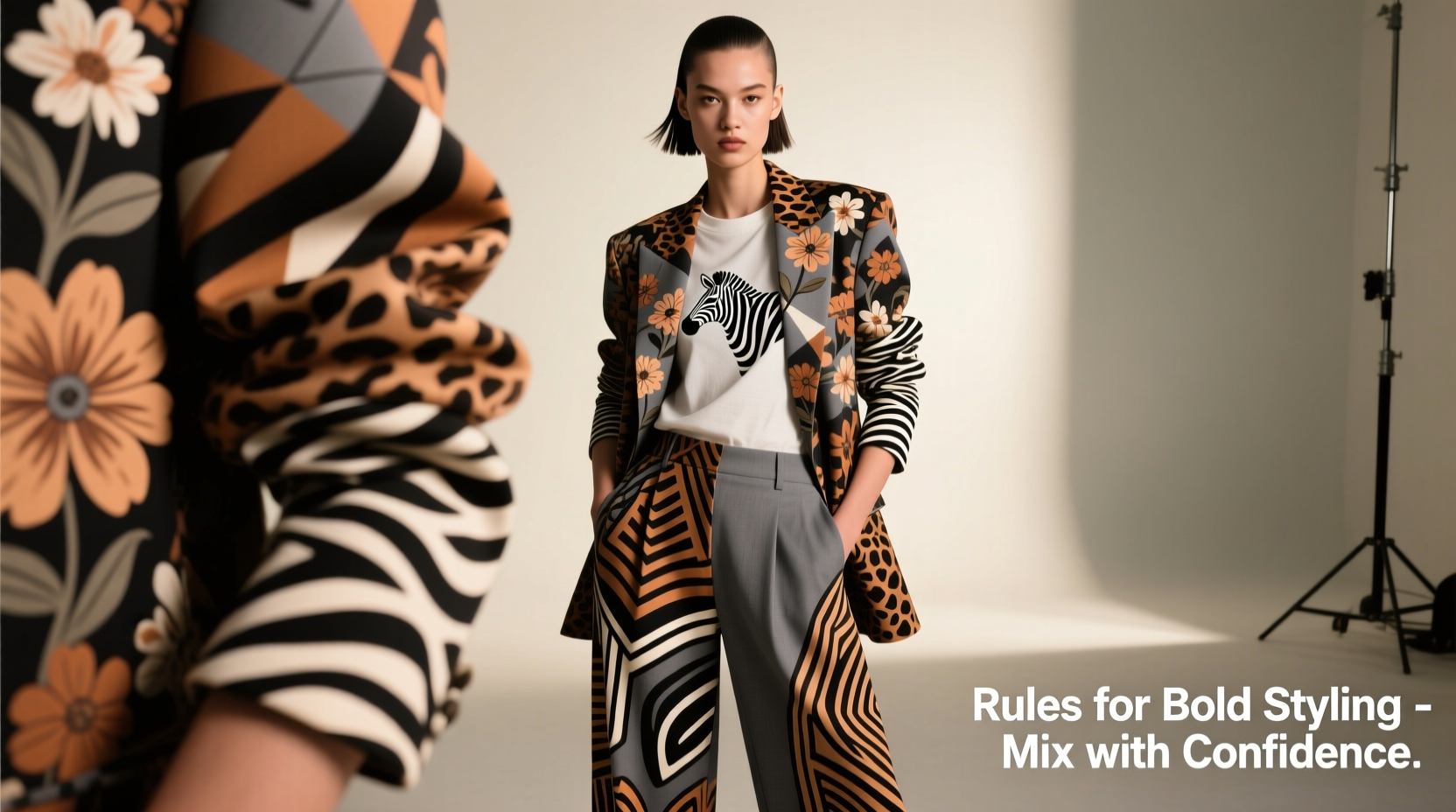
Fashion is a form of self-expression, and pattern mixing allows wearers to communicate individuality, confidence, and creativity. Bold styling challenges norms and draws attention—not because it’s loud, but because it reflects thoughtfulness. Studies in behavioral psychology suggest that people who dress unconventionally are often perceived as more innovative and self-assured. However, this perception hinges on coherence. A mismatched ensemble can signal confusion rather than confidence. That’s why understanding visual harmony is essential when blending patterns.
Patterns carry rhythm, scale, and mood. Stripes imply movement; florals evoke romance; animal prints suggest wildness. Combining them successfully means balancing these energies so they complement rather than compete. It's less about rigid rules and more about cultivating an eye for proportion, contrast, and cohesion.
Core Principles for Mixing Patterns Successfully
There are no absolute prohibitions in fashion, but there are guidelines that help ensure your pattern combinations enhance your look instead of overwhelming it. These principles apply whether you're wearing two patterns or three.
1. Match Color Palettes Across Prints
The most effective way to unify disparate patterns is through shared colors. Even if the designs differ drastically—a houndstooth blazer over a tropical shirt—the outfit will read as intentional if both pieces pull from the same color family. For example, a navy-and-white striped shirt paired with burgundy-plaid trousers works because navy and burgundy are tonal complements.
Stick to 2–3 core colors across all garments. Use accessories like belts or shoes to reinforce the palette without introducing new hues.
2. Vary the Scale of Patterns
Wearing two large-scale patterns together (e.g., big floral pants with a wide-striped jacket) tends to create visual noise. Instead, pair a large print with a smaller one. A bold leopard-print coat looks striking over a fine pinstripe dress because the eye can focus on one dominant element while the other provides texture.
This principle applies even when combining similar types of patterns. Two checks? Make sure one is micro-check and the other macro-plaid. Two florals? One should feature oversized blooms, the other delicate sprigs.
3. Balance Complexity with Neutrals
When experimenting with multiple patterns, anchor the look with neutral solids. A black turtleneck under a tartan blazer and geometric-print skirt grounds the outfit. Solids act as visual “rest points,” giving the eye places to pause amidst the movement of prints.
Neutrals don’t have to be boring. Charcoal, camel, cream, or deep olive offer richness without competing. Consider using solid-colored outerwear, footwear, or base layers to stabilize busier sections of your ensemble.
4. Align Patterns by Theme or Era
Thematic consistency adds narrative depth to your outfit. Pairing 1970s-inspired paisley with mod-style checks may clash conceptually, but combining retro florals with vintage gingham feels cohesive. Similarly, tropical motifs go well with other island-themed prints like bamboo or tribal designs.
Think of your outfit as telling a story. Are you channeling Parisian chic? Stick to Breton stripes, subtle polka dots, and soft florals. Going for downtown edge? Try graphic geometrics with abstract splatter prints.
“Pattern mixing isn’t about randomness—it’s about rhythm. Like music, fashion needs tempo, variation, and resolution.” — Luca Moretti, Stylist & Creative Director at Atelier Noir
Step-by-Step Guide to Building a Pattern-Mixed Outfit
Confidence grows with practice. Follow this six-step process to build balanced, stylish ensembles that turn heads for the right reasons.
- Choose a Base Garment: Start with a piece you love—a printed dress, patterned trousers, or a statement jacket. This becomes your focal point.
- Select a Secondary Print: Pick another item with a different pattern type (e.g., stripes with florals), ensuring it shares at least one color with the base.
- Vary the Scale: If the base has a large print, choose a smaller complementary one (like tiny polka dots or narrow pinstripes).
- Add a Solid Layer: Introduce a neutral top, bottom, or outer layer to break up intensity and add structure.
- Refine with Accessories: Use scarves, bags, or shoes to echo one of the print colors, reinforcing unity.
- Assess the Whole Look: Step back and view yourself in full-length mirror. Does it feel harmonious? Adjust until it does.
Do’s and Don’ts of Pattern Mixing
| Do | Don't |
|---|---|
| Pair complementary patterns (e.g., stripes with florals) | Combine too many competing large-scale prints |
| Use a common color thread across all pieces | Introduce clashing colors without transition |
| Start simple—try two patterns before adding a third | Over-accessorize with additional bold prints |
| Anchor with neutrals (black, beige, gray) | Wear head-to-toe prints without breaks |
| Experiment within a theme (e.g., bohemian, preppy) | Force combinations that feel unnatural to your personal style |
Real Example: From Office to Evening with Confidence
Sophia, a marketing consultant in Toronto, wanted to refresh her work wardrobe without sacrificing professionalism. She owned a navy pinstripe blazer she loved but found it dull. Inspired by editorial looks, she decided to try pattern mixing.
She started with a soft pink blouse featuring a small white polka dot. Over it, she wore the navy pinstripe blazer. For the lower half, she chose a midi skirt with a subtle herringbone weave in navy and gray—technically a textured pattern, though understated. Her shoes were burgundy loafers, matching a lipstick shade that also appeared in a tiny accent stripe on her blouse collar.
The result? A polished yet distinctive look. Colleagues complimented her “put-together” appearance, unaware she had broken traditional dressing codes. Later, she swapped the skirt for wide-leg floral trousers (in navy, white, and blush) and added gold hoops and a sleek bun for a dinner event. The same blazer now felt entirely new.
Sophia’s success came from adhering to core principles: shared color tones, varied pattern scales, and strategic use of solids. She didn’t need designer pieces—just thoughtful coordination.
Checklist: Can You Wear This Pattern Combo?
Before stepping out, ask yourself these questions:
- ✅ Do the patterns share at least one common color?
- ✅ Is there a clear dominant pattern and a supporting one?
- ✅ Have I included a solid or neutral piece to balance the look?
- ✅ Are the patterns aligned in theme or era (e.g., vintage, modern, boho)?
- ✅ Does the outfit reflect my personal style, not just a trend?
- ✅ Have I limited myself to 2–3 patterns maximum?
- ✅ Do I feel confident and comfortable in this outfit?
If you answered “yes” to most of these, you’re likely on the right track.
Frequently Asked Questions
Can I mix stripes and florals?
Absolutely. This is one of the most classic and successful combinations. To make it work, ensure the stripes are either thin (pinstripes) or bold (nautical-style), while the floral should differ in scale. For instance, a thin-striped shirt under a full floral skirt creates contrast without chaos. Keep colors consistent—navy and white stripes with navy-centered florals, for example.
What if I want to wear three patterns?
Three patterns can work, but only if carefully balanced. Use the “one dominant, one medium, one subtle” rule. For example: a large floral dress (dominant), a lightweight checkered scarf (medium), and striped ankle socks (subtle). Ensure all three share a unifying color, and keep the rest of the look minimal—solid shoes, simple hair, minimal jewelry.
Are there any patterns that should never be mixed?
No combination is inherently forbidden, but some pairings require extra finesse. Animal prints (leopard, snake) are high-impact and can dominate quickly. Avoid mixing two animal prints unless one is very muted. Likewise, pairing intricate paisley with busy geometrics can feel overwhelming unless separated by solid layers. The real test isn’t the pattern itself but how thoughtfully it’s integrated.
Conclusion: Own Your Style with Intention
Mixing fabric patterns isn’t about defying fashion—it’s about redefining it on your terms. The most memorable style icons aren’t those who follow every rule, but those who understand them deeply enough to bend them. With a foundation in color theory, scale variation, and thematic alignment, you can transform what might seem like sartorial risk into a signature strength.
Bold styling begins not with what you wear, but how you wear it. Confidence amplifies cohesion. When you feel good in your clothes, others perceive harmony—even in complexity. So start small. Try a striped tee under a plaid shirt. Add a floral scarf to a geometric dress. Test, observe, refine.




 浙公网安备
33010002000092号
浙公网安备
33010002000092号 浙B2-20120091-4
Comments
No comments yet. Why don't you start the discussion?