
Ziploc bags are a staple in kitchens across the world—convenient, affordable, and versatile. Whether storing leftovers, packing lunches, or organizing small items, their utility is hard to beat. But as awareness grows around sustainability and household waste, many people are asking: can you reuse Ziploc bags, and if so, how often? More importantly, when should they be discarded for safety and hygiene reasons?
The answer isn’t a simple yes or no. Reusing Ziploc bags can be both practical and eco-friendly—if done correctly. However, certain foods, improper cleaning, and visible wear can turn a reusable bag into a health hazard. Understanding the balance between conservation and cleanliness is key to making smart, safe decisions in your kitchen.
When It’s Safe to Reuse Ziploc Bags
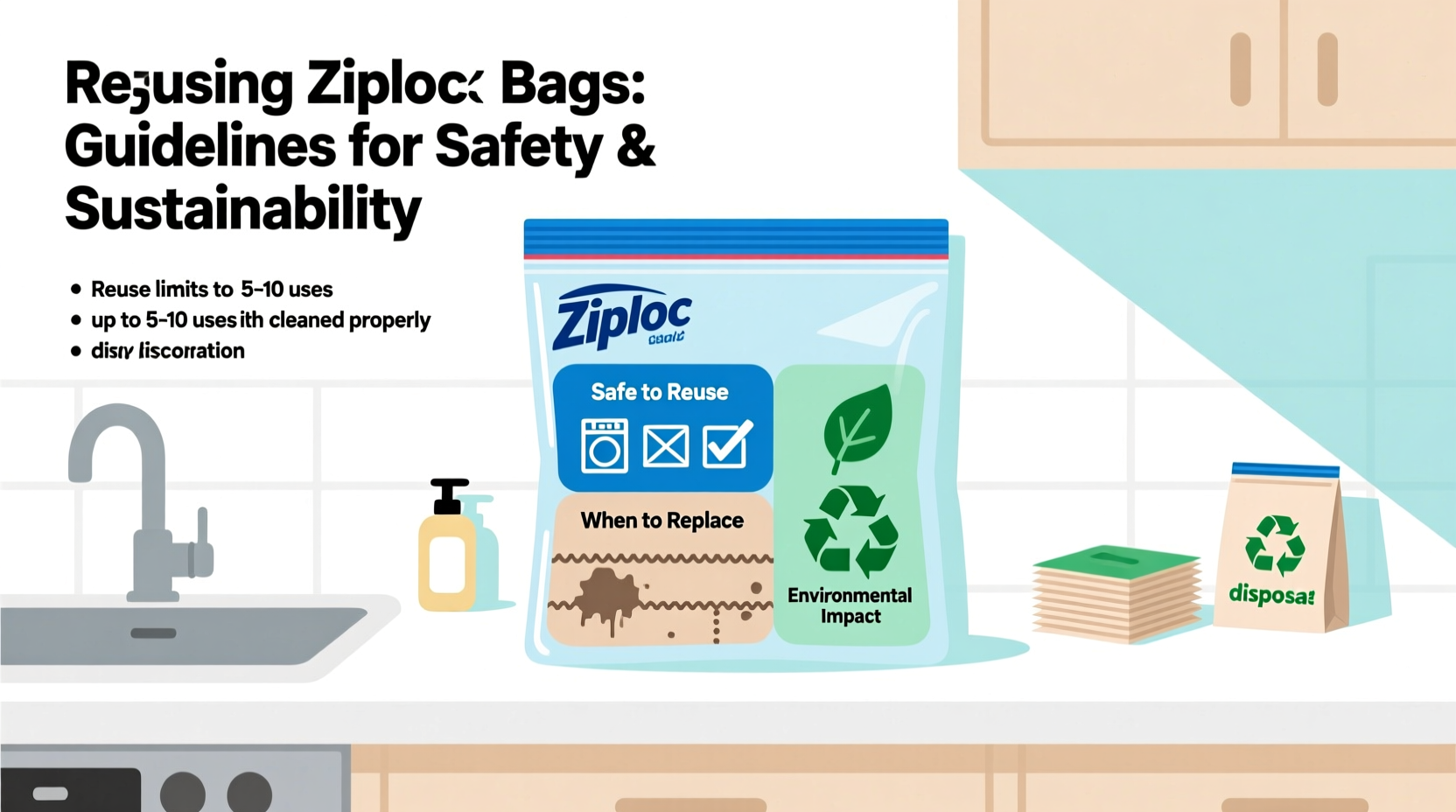
Not all uses of Ziploc bags are equal. The potential for reuse depends largely on what the bag previously held. Some contents leave little residue and pose minimal contamination risk, while others create conditions where bacteria can thrive even after washing.
Dry goods like crackers, bread, cereal, or uncooked rice are ideal candidates for bag reuse. These foods don’t leave behind oils, moisture, or proteins that encourage bacterial growth. If the bag remains clean and intact after emptying, a quick wash makes it suitable for future use.
Fresh produce such as carrots, apples, or green beans can also be stored in reusable bags, provided they were not washed before storage (excess moisture promotes mold). Once emptied, rinse the bag thoroughly with warm, soapy water and allow it to air dry completely before reuse.
How to Properly Clean and Sanitize Reusable Bags
Cleaning a Ziploc bag properly is essential to prevent microbial contamination. Unlike rigid containers, plastic bags have folds and seals that trap moisture and debris, making thorough drying a challenge.
Follow this step-by-step process to clean your bags safely:
- Empty and inspect: Remove all contents and check for stains, odors, or tears.
- Turn inside out: Use a spoon or finger to flip the bag so the interior surface is exposed.
- Wash with warm, soapy water: Use a drop of dish soap and a soft sponge. Avoid abrasive scrubbers that can scratch the plastic.
- Rinse thoroughly: Ensure no soap residue remains, which can affect taste and safety.
- Air dry completely: Hang upside down or drape over a bottle to speed drying. Never store a damp bag—it encourages mold and mildew.
- Inspect before reuse: Confirm the seal still works and there are no lingering smells.
For extra sanitation, especially after holding raw meat or dairy, consider soaking the bag in a solution of one part white vinegar to three parts water for 10 minutes. This natural disinfectant helps eliminate odor-causing bacteria without harsh chemicals.
When You Should Never Reuse a Ziploc Bag
Despite best efforts, some situations make reuse unsafe. Health authorities including the USDA and FDA advise against reusing plastic bags that have held raw meat, poultry, seafood, or oily/greasy foods—even if washed.
Fats and proteins penetrate microscopic pores in plastic, creating an environment where pathogens like Salmonella, E. coli, and Listeria can survive standard washing. These organisms may not be visible but can cause serious illness when transferred to ready-to-eat foods.
Additionally, avoid reusing bags that have carried:
- Raw eggs or egg-based mixtures
- Cheese or creamy dips with high moisture content
- Leftovers containing sauces or gravies
- Any food left at room temperature for more than two hours
“Plastic storage bags are designed primarily for single use, especially with perishable items. While limited reuse is possible, consumers should prioritize food safety over convenience.” — Dr. Lisa Martinez, Food Safety Specialist, USDA
Signs It’s Time to Throw Out a Ziploc Bag
Even with careful handling, Ziploc bags degrade over time. Continued use beyond their functional lifespan increases the risk of contamination and chemical leaching. Watch for these red flags:
| Warning Sign | Why It Matters | Action Required |
|---|---|---|
| Cloudy or milky film | Indicates trapped moisture, detergent buildup, or early mold formation | Discard immediately |
| Faded color or brittleness | Plastic has degraded due to heat, UV exposure, or repeated washing | No longer structurally sound—replace |
| Cracks or pinholes | Compromises seal integrity; allows air and bacteria in | Cannot be trusted for food storage |
| Stains or lingering odors | Sign of absorbed oils or bacterial colonies | Do not reuse, even if cleaned |
| Warped or melted appearance | Exposure to dishwasher heat or microwave likely damaged material | Chemical leaching risk—dispose of |
As a general rule, if you’re unsure whether a bag is still safe, err on the side of caution. The cost of replacing a bag is far less than the risk of foodborne illness.
Real-Life Example: A Busy Parent’s Reuse Routine
Sarah, a mother of three in Portland, uses Ziploc bags daily for school lunches, meal prep, and freezing portions. To reduce waste, she established a reuse system focused on safety and organization.
She separates her bags into categories: “Dry Only” for crackers and snacks, “Produce” for fruits and vegetables, and “One-Time Use” for meats and dairy. After each use, she labels bins where bags go pending washing. Dry-use bags are hand-washed weekly and reused up to five times. Produce bags get sanitized with vinegar after every second use. Anything that held chicken or fish goes straight into the trash.
By setting clear boundaries and maintaining a cleaning schedule, Sarah cuts her plastic bag consumption by nearly 60% without compromising her family’s health.
Alternatives to Traditional Ziploc Bags
If frequent disposal feels wasteful, consider upgrading to long-term reusable options. These alternatives offer better durability, easier cleaning, and improved environmental impact:
- Silicone Stasher bags: Dishwasher, microwave, and freezer safe. Can be boiled for sterilization.
- Beeswax wraps: Great for covering bowls or wrapping sandwiches—compostable at end of life.
- Reusable fabric snack bags: Machine-washable and come in fun designs for kids’ lunches.
- Hard-sided plastic containers: Ideal for liquids and long-term storage; less prone to contamination.
While the upfront cost is higher, these products pay off over time through reduced waste and greater peace of mind. For those committed to zero-waste goals, combining reusable systems with responsible disposal of single-use plastics offers a balanced approach.
Checklist: Is This Ziploc Bag Safe to Reuse?
Before placing a used bag back into rotation, run through this quick checklist:
- ✅ Held only dry or low-moisture foods (e.g., bread, pasta, dry snacks)
- ✅ No visible stains, tears, or warping
- ✅ Seal still closes tightly and creates an audible click
- ✅ Has been washed with warm, soapy water and fully air-dried
- ✅ No lingering odors after cleaning
- ❌ Did NOT hold raw meat, fish, eggs, or oily leftovers
- ❌ Not previously microwaved or placed in the dishwasher (unless labeled safe)
If any item is unchecked, retire the bag responsibly.
Frequently Asked Questions
Can I put Ziploc bags in the dishwasher?
Some newer Ziploc models are labeled as top-rack dishwasher safe, but most standard bags are not designed for this. High heat can warp seals and degrade plastic over time, increasing the risk of leaks and chemical migration. Hand washing remains the safest method for routine cleaning.
How many times can I reuse a Ziploc bag?
There’s no universal number, but experts suggest limiting reuse to 3–5 times for dry goods and once for moist foods like cut fruit. Each wash weakens the plastic slightly. Replace bags at the first sign of wear, regardless of count.
Are reusable plastic bags recyclable?
Most curbside recycling programs do not accept used plastic bags due to contamination risks and processing limitations. Instead, check with local grocery stores or retailers that offer designated plastic bag drop-offs. However, heavily used or stained bags should go in the trash to avoid contaminating recycling batches.
Final Thoughts: Balancing Convenience, Safety, and Sustainability
Reusing Ziploc bags is possible—and even encouraged—for certain non-perishable, low-risk foods. With proper cleaning and vigilant inspection, you can extend their life and reduce household waste. But safety must always come first. When in doubt, throw it out.
Adopting a structured system—categorizing by use, washing promptly, and retiring damaged bags—helps maintain hygiene without sacrificing convenience. And for those looking to go further, investing in durable, washable alternatives supports long-term sustainability goals.




 浙公网安备
33010002000092号
浙公网安备
33010002000092号 浙B2-20120091-4
Comments
No comments yet. Why don't you start the discussion?