
Oily skin often comes with a long list of misconceptions—chief among them, the idea that because your face glistens by midday, you don’t need hydration. Many people with oily skin skip moisturizer entirely, believing it will make their shine worse or clog pores. But dermatologists consistently warn against this practice. In fact, skipping moisturizer can actually worsen oil production and compromise your skin’s health. Understanding the science behind sebum, hydration, and barrier function is key to making informed skincare decisions.
This article breaks down why moisturizing is non-negotiable—even for oily skin types—what happens when you skip it, and how to choose the right formula for your needs. Backed by dermatological research and clinical insights, we’ll guide you through effective routines, ingredient choices, and common pitfalls to avoid.
The Myth of “Too Much Oil”
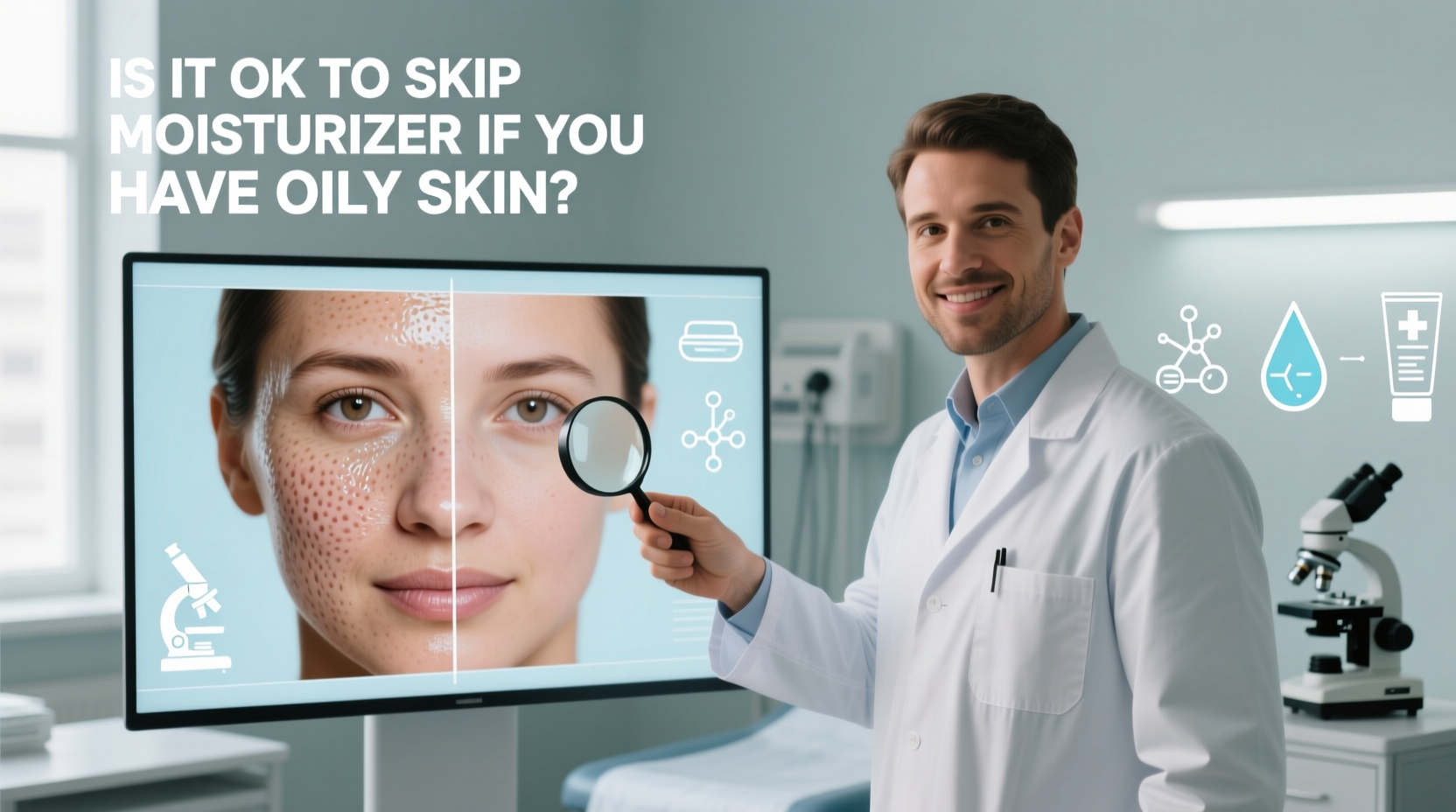
A common belief is that oily skin = hydrated skin. While it may seem logical, this is a flawed assumption. Oil (sebum) and hydration (water content in the skin) are two different things. Sebum helps protect the skin and retain moisture, but it doesn’t substitute for actual hydration. Your skin can be both oily and dehydrated—a condition known as “dehydrated oily skin.”
When your skin lacks water, it signals the sebaceous glands to produce more oil in an attempt to compensate. This overcompensation leads to increased shine, clogged pores, and breakouts. So, paradoxically, skipping moisturizer can make your skin oilier over time.
Why Moisturizing Matters for Oily Skin
Your skin’s outermost layer—the stratum corneum—acts as a protective barrier. When this barrier is compromised due to dehydration or harsh cleansing, it becomes more vulnerable to irritation, bacteria, and environmental stressors. A well-formulated moisturizer strengthens this barrier, helping regulate oil production and reduce inflammation.
Dermatologists emphasize that consistent moisturization supports overall skin health regardless of skin type. Dr. Lindsey Zubritsky, a board-certified dermatologist based in Pittsburgh, explains:
“Even oily skin needs hydration. Skipping moisturizer disrupts the skin barrier, which can lead to more breakouts, sensitivity, and even accelerated aging.”
In clinical settings, patients who stop using moisturizers often report increased acne flare-ups and persistent shine within weeks. This rebound effect occurs because the skin enters survival mode, ramping up sebum production to prevent transepidermal water loss (TEWL).
The Science Behind Overproduction
Sebum regulation is influenced by hormones, genetics, environment, and skincare habits. When the skin detects dryness—real or perceived—it triggers lipid synthesis to maintain homeostasis. If you’re stripping your skin with alcohol-based toners or skipping moisturizer, you’re inadvertently signaling your glands to go into overdrive.
Studies published in the Journal of Clinical and Aesthetic Dermatology show that individuals with acne-prone, oily skin benefit significantly from incorporating hydrating ingredients like hyaluronic acid and ceramides into their routines. These components improve skin resilience without increasing greasiness.
Choosing the Right Moisturizer for Oily Skin
Not all moisturizers are created equal. The goal isn’t to eliminate oil but to balance it. For oily skin, texture and formulation matter more than richness. Here’s what to look for:
- Lightweight textures: Gel, gel-cream, or fluid formulas absorb quickly and feel non-greasy.
- Non-comedogenic label: Ensures the product won’t clog pores.
- Hydrating (not occlusive) ingredients: Look for hyaluronic acid, glycerin, niacinamide, and ceramides.
- Oil-free: Reduces added lipid load while still delivering hydration.
- Silicones (optional): Dimethicone or cyclomethicone provide a smooth finish and help control shine without suffocating the skin.
Avoid heavy creams, petrolatum, and oils unless specifically recommended for targeted use. Even natural oils like coconut or olive oil can be comedogenic for acne-prone individuals.
Key Ingredients That Help Oily Skin
| Ingredient | Benefits | Common Products |
|---|---|---|
| Hyaluronic Acid | Binds water to skin; plumps without greasiness | Serums, gel moisturizers |
| Niacinamide (5–10%) | Regulates sebum, reduces redness, improves texture | Toners, serums, moisturizers |
| Ceramides | Reinforces skin barrier; prevents moisture loss | Lightweight creams, lotions |
| Glycerin | Humectant that draws water into the skin | Most moisturizers and cleansers |
| Salicylic Acid (low concentration) | Gentle exfoliation; keeps pores clear | Moisturizers for acne-prone skin |
Step-by-Step Routine for Oily Skin
Here’s a simple, dermatologist-approved morning and evening routine designed for oily, acne-prone skin that includes proper moisturization:
- AM: Cleanse gently
Use a mild, sulfate-free cleanser. Avoid foaming washes that strip the skin. - Apply antioxidant serum (optional)
Vitamin C or niacinamide serums help control oil and protect against pollution. - Moisturize
Use a pea-sized amount of oil-free, non-comedogenic moisturizer. Let absorb fully. - Sunscreen
Choose a matte-finish, broad-spectrum SPF 30+. Many tinted options now offer oil control. - PM: Double cleanse if wearing makeup/sunscreen
Start with an oil-based cleanser (yes, even for oily skin), then follow with a water-based one. - Treat (if needed)
Apply active treatments like retinoids, salicylic acid, or benzoyl peroxide after cleansing and before moisturizing. - Moisturize again
Never skip this step—even if using prescription acne medication, which can be drying.
Consistency is crucial. It may take 4–6 weeks to see improvements in oil regulation and clarity. Resist the urge to over-cleanse or layer too many actives, as this damages the barrier and worsens oiliness.
Mini Case Study: From Shine to Balance
Maya, a 27-year-old graphic designer, struggled with shiny skin and frequent breakouts along her jawline and forehead. She avoided moisturizers completely, relying only on a foaming cleanser and mattifying primer. Her routine included weekly clay masks and daily blotting papers.
After consulting a dermatologist, she was diagnosed with dehydrated oily skin. The doctor explained that her aggressive cleansing and lack of hydration were triggering excess sebum. Maya began using a gentle cleanser, applied a hyaluronic acid serum on damp skin, and followed with a lightweight gel moisturizer twice daily.
Within three weeks, her midday shine decreased significantly. By week six, her skin felt more resilient, and breakouts reduced by over 70%. She no longer needed to blot as frequently and reported feeling more confident in her bare skin.
“Treating oily skin isn’t about removing every trace of oil—it’s about restoring balance,” says Dr. Alan J. Parks, a dermatologist in Seattle. “Moisturizers are part of that equation, not the enemy.”
Common Mistakes to Avoid
Even with good intentions, many people sabotage their oily skin care with counterproductive habits. Watch out for these:
- Using alcohol-based toners daily: Drying agents like SD alcohol or denatured alcohol may temporarily reduce shine but impair the skin barrier long-term.
- Over-exfoliating: More than 2–3 times per week with physical scrubs or chemical exfoliants can cause irritation and rebound oil production.
- Skipping moisturizer after active treatments: Retinoids, AHAs, and acne medications dry the skin. Moisturizing mitigates side effects and maintains tolerance.
- Believing ‘oil-free’ means safe: Some oil-free products contain pore-clogging silicones or synthetic esters. Read full ingredient lists.
- Only moisturizing at night: Daytime hydration is equally important, especially under sunscreen.
Checklist: Building a Healthy Oily Skin Routine
Use this checklist to ensure your routine supports balanced, healthy skin:
- ✅ Cleanse with a gentle, non-stripping facial wash
- ✅ Use lukewarm water—avoid hot water which increases oil production
- ✅ Apply hydrating serum (e.g., hyaluronic acid) on damp skin
- ✅ Use a non-comedogenic, oil-free moisturizer morning and night
- ✅ Never skip sunscreen—even if oily
- ✅ Limit exfoliation to 2–3 times per week max
- ✅ Patch test new products before full-face application
- ✅ Monitor changes over 4–6 weeks before adjusting routine
Frequently Asked Questions
Can I use moisturizer if I have acne?
Absolutely. In fact, most acne treatments (like benzoyl peroxide or retinoids) dry out the skin. Using a non-comedogenic moisturizer helps prevent flaking, irritation, and compensatory oil production. Look for products labeled “for acne-prone skin” or containing niacinamide or salicylic acid.
Won’t moisturizer make my skin greasier?
Not if you choose the right formula. Lightweight, water-based moisturizers absorb quickly and don’t leave a residue. Greasiness usually comes from heavy creams or comedogenic ingredients—not hydration itself. Many modern moisturizers are designed specifically to mattify while hydrating.
What if my skin feels fine without moisturizer?
Just because your skin feels okay doesn’t mean it’s functioning optimally. Subtle signs of dehydration—tightness after washing, patchy makeup, early fine lines—can develop over time. Preventative care is essential. Consider introducing a light moisturizer gradually and monitor how your skin responds.
Final Thoughts: Moisture Is Non-Negotiable
Skipping moisturizer with oily skin might seem like a logical shortcut, but it’s a decision that backfires more often than not. Dermatologists agree: hydration is foundational to skin health, regardless of oil levels. A well-hydrated barrier regulates sebum, resists breakouts, and ages more gracefully.
The key lies in choosing smart formulations—lightweight, fast-absorbing, and packed with skin-supportive ingredients. With the right approach, you can enjoy balanced, shine-controlled skin without sacrificing long-term health.




 浙公网安备
33010002000092号
浙公网安备
33010002000092号 浙B2-20120091-4
Comments
No comments yet. Why don't you start the discussion?