
Many people with oily skin believe that skipping moisturizer will reduce shine and prevent breakouts. This misconception has led countless individuals to strip their skin of moisture, only to see more oil production and irritation in return. The truth, backed by dermatology experts, is quite the opposite: even oily skin needs hydration. Skipping moisturizer can actually worsen oiliness, compromise your skin barrier, and accelerate signs of aging.
This article dives into why moisturizing remains essential—even for oily skin types—what happens when you skip it, and how to choose the right product for your unique needs. We’ll also include insights from board-certified dermatologists, real-life scenarios, and a practical guide to help you build a smarter routine.
Why Oily Skin Still Needs Moisture
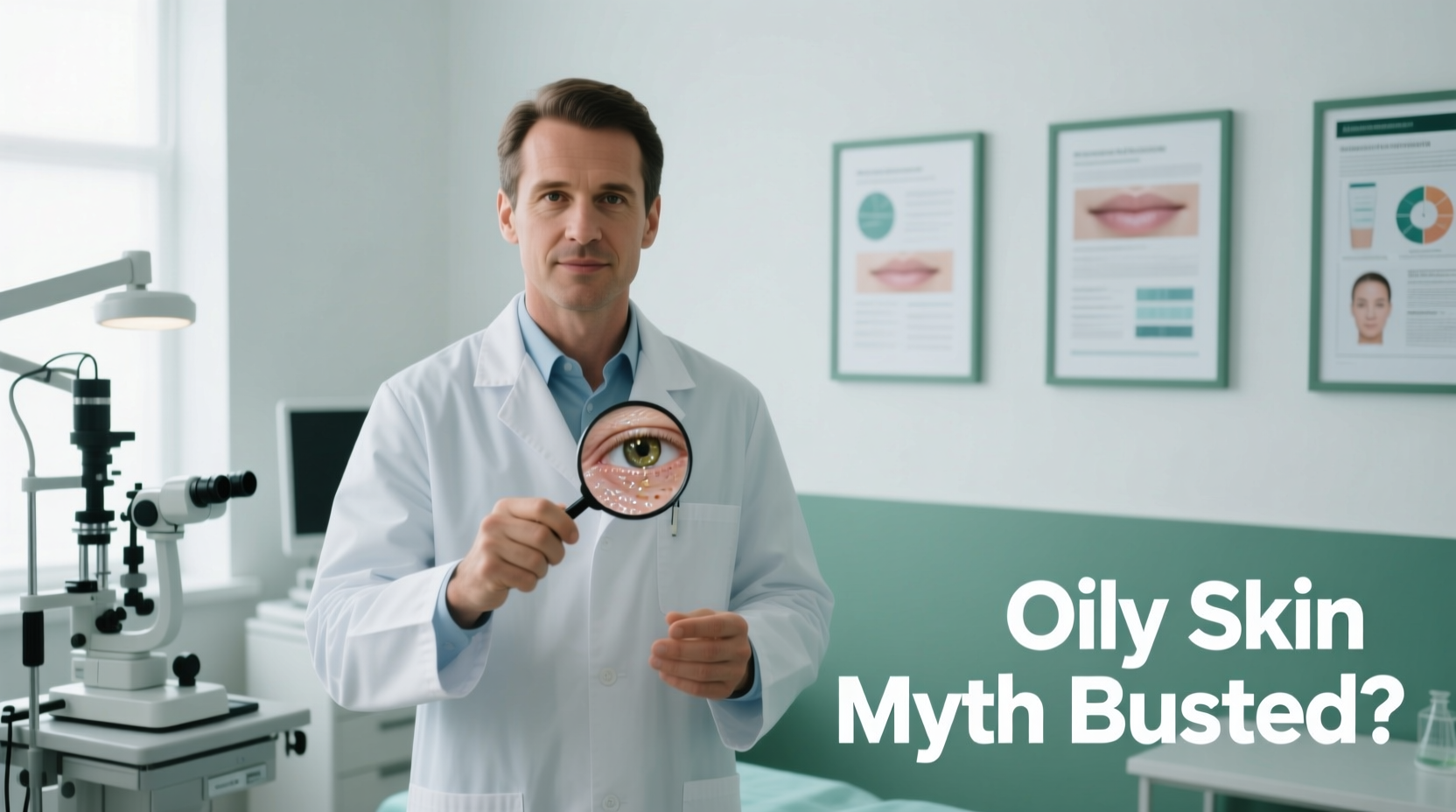
Oily skin doesn’t mean well-hydrated skin. Oil (sebum) and water (hydration) are two different components of skin health. Sebum is produced by sebaceous glands to protect and lubricate the skin, while hydration refers to the water content within the skin’s layers. You can have excessively oily skin that’s still dehydrated—a condition known as “dehydrated oiliness.”
When skin lacks proper hydration, it sends signals to produce more oil as a compensatory mechanism. This means that skipping moisturizer may lead to increased sebum production, creating a vicious cycle of greasiness and clogged pores. Over time, this imbalance weakens the skin barrier, making it more susceptible to environmental damage, acne, and sensitivity.
“Even oily skin requires a lightweight, non-comedogenic moisturizer. Depriving it of hydration triggers excess oil production and compromises barrier function.” — Dr. Lena Park, Board-Certified Dermatologist
The Risks of Skipping Moisturizer
Avoiding moisturizer might seem like a logical step for reducing shine, but it comes with significant drawbacks:
- Increased oil production: When skin detects dryness, it ramps up sebum output, leading to shinier skin and more frequent breakouts.
- Impaired skin barrier: A compromised barrier allows irritants, pollutants, and bacteria to penetrate more easily, increasing inflammation and acne risk.
- Worsened texture: Dehydrated skin often feels rough or tight and may appear flaky, especially around the nose and forehead.
- Premature aging: Chronic dehydration contributes to fine lines and reduced elasticity over time.
- Reduced effectiveness of acne treatments: Many acne-fighting ingredients like benzoyl peroxide and retinoids are drying. Without moisturization, they can cause excessive peeling and irritation, discouraging consistent use.
Choosing the Right Moisturizer for Oily Skin
Not all moisturizers are created equal. For oily skin, the goal is to provide hydration without clogging pores or adding heaviness. Look for formulas labeled “oil-free,” “non-comedogenic,” and “lightweight” or “gel-based.” Ingredients matter just as much as texture.
Key Ingredients to Look For
| Ingredient | Benefits | Product Type Examples |
|---|---|---|
| Hyaluronic Acid | Attracts and retains moisture without greasiness; holds up to 1,000 times its weight in water | Serums, gel creams |
| Niacinamide (Vitamin B3) | Regulates oil production, reduces redness, strengthens skin barrier | Moisturizers, toners, serums |
| Glycerin | Humectant that draws water into the skin; supports hydration balance | Light lotions, gels |
| Ceramides | Reinforce the skin barrier to prevent moisture loss and sensitivity | Barrier-support creams |
| Dimethicone (in low concentrations) | Provides a protective layer without clogging pores; smooths texture | Hybrid gel-lotions |
Avoid heavy oils (like coconut oil), thick ointments (such as petroleum jelly), and fragranced formulas, which can trigger breakouts or irritation in acne-prone individuals.
Real-Life Example: Sarah’s Skincare Turnaround
Sarah, a 27-year-old office worker with combination-oily skin, avoided moisturizers for years, believing they made her face oilier by midday. She used strong cleansers and alcohol-based toners daily, thinking she was “deep cleaning” her pores. Instead, she experienced persistent breakouts, redness, and a paradoxical mix of oily cheeks and flaky patches near her nose.
After consulting a dermatologist, Sarah learned she had a damaged skin barrier due to over-cleansing and lack of hydration. She began using a simple routine: a gentle foaming cleanser, a niacinamide serum, and a lightweight, oil-free moisturizer twice daily. Within three weeks, her skin felt balanced, breakouts decreased, and her morning shine was significantly reduced. Her skin wasn’t producing less oil—it was functioning more efficiently.
Step-by-Step Guide: How to Moisturize Oily Skin Correctly
Applying moisturizer properly ensures maximum benefit without contributing to congestion or shine. Follow this science-backed routine:
- Cleanse gently: Use a mild, sulfate-free cleanser twice daily. Avoid scrubbing or hot water, which can strip natural oils and trigger rebound sebum production.
- Tone (optional): Apply an alcohol-free toner with hydrating or balancing ingredients like witch hazel, niacinamide, or green tea extract.
- Apply treatment products: Use serums containing active ingredients such as salicylic acid, vitamin C, or retinol. Allow them to absorb for 1–2 minutes.
- Lock in hydration: While skin is still slightly damp, apply a pea-sized amount of oil-free moisturizer. Gently press it into the face rather than rubbing vigorously.
- Use sunscreen daily: Choose an oil-free, non-comedogenic SPF 30 or higher every morning—even on cloudy days. Sun damage increases oil production and accelerates aging.
Expert Recommendations and Common Myths
Dermatologists consistently emphasize that moisturizing is not optional, regardless of skin type. Yet several myths persist about oily skin care:
Myth 1: “Moisturizers make oily skin worse.”
Truth: It depends on the formula. Heavy, occlusive creams can feel greasy, but lightweight, water-based moisturizers regulate hydration and reduce oil overproduction.
Myth 2: “If my skin is shiny, it must be hydrated.”
Truth: Shine comes from oil, not water. Many people with oily skin test positive for dehydration when analyzed with corneometers.
Myth 3: “Only dry skin needs moisturizer.”
Truth: All skin types benefit from proper hydration. The American Academy of Dermatology (AAD) recommends daily moisturizer use for everyone, including those with oily or acne-prone skin.
“The idea that oily skin doesn’t need moisturizer is one of the most common skincare misconceptions I encounter. Hydration is fundamental—not optional.” — Dr. Arjun Patel, Clinical Dermatologist, New York City
Checklist: Building an Oily-Skin-Friendly Routine
Use this checklist to ensure your skincare supports balanced, healthy skin:
- ✅ Use a gentle, non-stripping cleanser morning and night
- ✅ Incorporate a lightweight, non-comedogenic moisturizer daily
- ✅ Apply broad-spectrum sunscreen every morning
- ✅ Avoid alcohol-heavy toners and physical scrubs
- ✅ Patch-test new products before full-face application
- ✅ Limit exfoliation to 2–3 times per week (chemical > physical)
- ✅ Monitor changes in oil production and breakouts when introducing new actives
Frequently Asked Questions
Can I use a gel moisturizer every day?
Yes. Gel moisturizers are ideal for oily skin because they’re water-based, fast-absorbing, and non-greasy. Most contain humectants like hyaluronic acid that deliver hydration without heaviness. Using one daily helps maintain moisture balance and prevents overproduction of oil.
Should I moisturize at night if my skin is oily?
Absolutely. Nighttime is when skin repairs itself, and hydration supports this process. Skipping moisturizer at night can disrupt barrier recovery, especially if you're using acne treatments like retinoids or benzoyl peroxide. Opt for a minimal, fast-absorbing formula designed for oily skin.
Is it possible to be both oily and dehydrated?
Yes, and it’s more common than you think. Dehydrated oily skin produces excess sebum while lacking internal water content. Signs include surface oiliness combined with tightness, dullness, or flaking. This imbalance often results from harsh products, climate, or inadequate hydration. Address it with gentle cleansing and light, effective moisturizers.
Final Thoughts: Moisturizing Is Non-Negotiable
Skipping moisturizer may seem like a shortcut to controlling oil, but it ultimately backfires. Healthy skin—regardless of type—relies on a strong barrier and balanced hydration. For oily skin, the solution isn’t less moisture, but smarter moisture: lightweight, targeted, and consistent.
Modern dermatology has moved beyond outdated notions of “drying out” oily skin. Today’s approach focuses on balance, protection, and long-term skin health. By choosing the right moisturizer and applying it correctly, you’re not adding grease—you’re supporting your skin’s natural ability to regulate itself.




 浙公网安备
33010002000092号
浙公网安备
33010002000092号 浙B2-20120091-4
Comments
No comments yet. Why don't you start the discussion?