
Every holiday season, millions of homes across the world light up with strings of festive Christmas lights. But when those bulbs flicker out or stop working altogether, many people face the same question: what should be done with broken Christmas lights? Throwing them in the trash may seem like the easiest option, but it’s far from the best. These strands contain valuable metals and plastics that can be recovered—and worse, improper disposal contributes to growing electronic waste problems. The good news is that recycling broken Christmas lights is not only possible but increasingly accessible.
With a little effort and awareness, you can ensure your old holiday decorations don’t end up polluting landfills or waterways. This guide explores the realities of Christmas light recycling, outlines responsible disposal options, and provides practical steps to help you take action—starting this season.
Why Recycling Broken Christmas Lights Matters
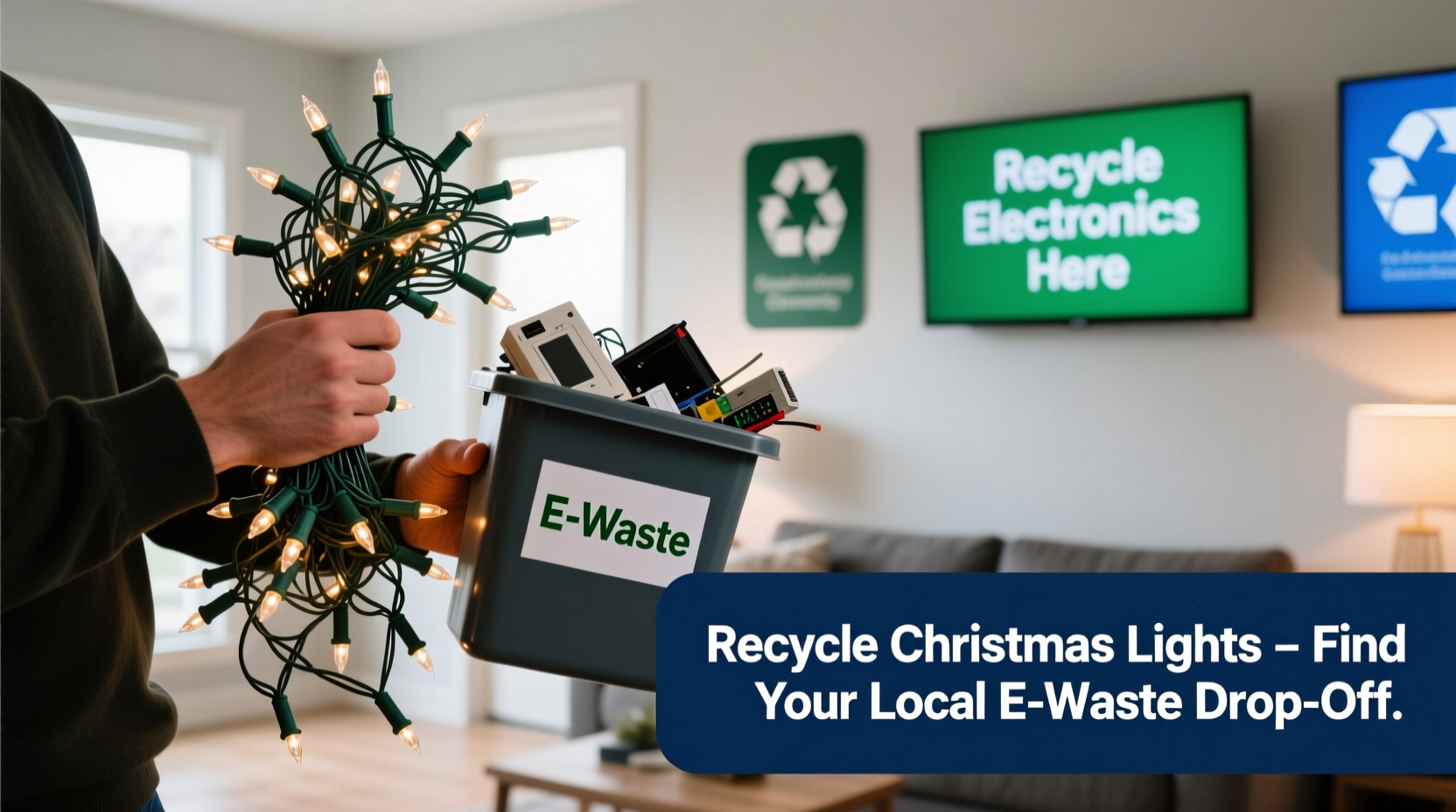
At first glance, a tangled string of burnt-out lights might seem insignificant. But consider scale: the average American household uses about 200–300 holiday lights each year, and many replace or discard older sets every few seasons. Multiply that by tens of millions of households, and the environmental impact becomes clear.
Christmas lights are classified as electronic waste (e-waste) because they contain copper wiring, plastic insulation, and sometimes small circuit boards or transformers. When discarded in regular trash, these materials often end up in landfills where copper can leach into soil and groundwater, and plastics contribute to long-term pollution.
Recycling helps recover up to 90% of the materials used in light strands. Copper, in particular, is highly recyclable and valuable. Extracting new copper from ore requires significant energy and causes environmental degradation through mining. Recycled copper uses only 10–15% of the energy needed for primary production.
“E-waste is one of the fastest-growing waste streams globally, yet less than 20% is formally recycled. Small items like Christmas lights may seem trivial, but collectively, they represent a major opportunity for resource recovery.” — Dr. Lena Torres, Sustainable Materials Researcher at GreenTech Institute
Can You Actually Recycle Broken Christmas Lights?
The short answer is yes—broken Christmas lights can be recycled, but not through standard curbside recycling programs. Most municipal recycling facilities aren't equipped to process thin wires and mixed materials, which can tangle machinery or contaminate other recyclables.
Instead, specialized e-waste recyclers handle Christmas lights using industrial shredders and separation systems. These facilities sort the components: copper wire is extracted for reuse in electronics and construction, while the plastic coating is either recycled into pellets or converted through thermal processes.
However, not all recycling centers accept holiday lights. Acceptance depends on local infrastructure, partnerships with e-waste processors, and seasonal collection programs. That means consumers must be proactive in identifying legitimate drop-off points.
What Parts of Christmas Lights Are Recyclable?
| Component | Recyclable? | Notes |
|---|---|---|
| Copper Wiring | ✅ Yes | Main value; high demand in secondary markets |
| Plastic Insulation | ✅ Yes (with limitations) | Must be separated; some types harder to process |
| LED Bulbs | ✅ Yes | Contain semiconductors; require specialized handling |
| Incandescent Bulbs | ⚠️ Partially | Glass and filament have low recovery value; often discarded |
| Plug Ends & Transformers | ✅ Yes | Treated as small e-waste; metals and circuitry recovered |
| Decorative Covers or Housings | ❌ Rarely | Often made of mixed plastics; contamination risk |
Where to Drop Off Broken Christmas Lights
Finding a responsible drop-off location requires research, but several national and regional programs make it easier than ever.
1. Retailer Take-Back Programs
Some major retailers offer seasonal collection bins during and after the holidays. While availability varies by region, these programs are expanding due to consumer demand for sustainable options.
- Home Depot: In partnership with organizations like Weecycle, certain locations have accepted holiday lights during January recycling events. Check your local store’s website for announcements.
- Lowes: Has participated in past e-waste drives, though not all stores offer light-specific recycling. Call ahead or consult their sustainability page.
- Best Buy: Accepts many forms of e-waste, but does not typically accept loose Christmas light strands due to sorting challenges. However, if the lights are part of a larger lighting system (e.g., pre-lit tree), they may be accepted under full-item policies.
2. Municipal E-Waste Collection Events
Many cities host annual or quarterly e-waste recycling days. These events often include designated bins for holiday lights and are usually free for residents. Examples include:
- San Francisco’s “Zero Waste Holiday” campaign
- Denver’s Electronics Recycling Program (January drop-offs)
- New York City’s SAFE Disposal Events
To find one near you, search “[Your City] + e-waste recycling event” or contact your local public works department.
3. Mail-In Recycling Services
If no local options exist, mail-in programs provide a convenient alternative. Though they may charge a small fee, they ensure proper processing and often issue recycling certificates.
Top services include:
- Recycle Christmas Lights (recyclechristmaslights.com): A dedicated U.S.-based service accepting any type of strand. Prices start at $6.95 per pound for shipping and processing.
- Green Citizen (greencitizen.com): Based in California but accepts nationwide shipments. Offers bulk discounts for schools, churches, or community groups.
- Big Green Box: Originally focused on battery recycling, now also handles Christmas lights. Purchase a pre-paid box online and ship when ready.
Step-by-Step Guide to Recycling Your Christmas Lights
Follow this timeline to responsibly dispose of your broken holiday lights:
- Unplug and inspect (December–January): After taking down decorations, test each strand. Set aside fully non-functional ones for recycling. Keep working or repairable lights for future use.
- Untangle and prepare (January): Neatly coil each strand. Cut apart any fused sections or damaged plugs. Remove non-recyclable attachments like floral clips or fabric sleeves.
- Research local options (Early January): Visit your city’s waste management website or call customer service. Search for “holiday light recycling” or “e-waste drop-off.”
- Determine volume and choose method (Mid-January): If you have fewer than five strands, a retail bin may suffice. For larger quantities (e.g., commercial displays or inherited collections), consider a mail-in service.
- Drop off or ship (By February 15): Many seasonal programs end in mid-February. Don’t delay—get your lights recycled before they get buried in storage.
- Document and share (Optional): Take a photo of your drop-off or keep the shipping receipt. Share on social media to inspire others.
Mini Case Study: How One Town Reduced Holiday E-Waste by 70%
In Ashland, Oregon, a grassroots initiative transformed holiday light disposal habits. Before 2020, most residents threw old lights in the trash. Then, the local environmental group “Sustainable Holidays Ashland” launched a pilot program partnering with the city’s transfer station.
They placed clearly labeled bins at the entrance during January and promoted the effort through library flyers, school newsletters, and a local radio segment. Volunteers hosted a “Tangle-Free Tuesday” event where people could bring in lights and receive gloves and instructions on preparing them.
The result? Over 800 pounds of Christmas lights were collected in just three weeks—equivalent to more than 16,000 feet of wiring. All materials were shipped to a certified e-waste processor in Portland. Follow-up surveys showed 89% of participants planned to recycle again the next year.
The program has since become an annual fixture, proving that community engagement and accessible infrastructure can drive real change.
Common Mistakes to Avoid
Even well-intentioned efforts can go wrong without proper guidance. Here are key pitfalls to watch for:
- Mixing lights with general recycling: Strands can jam conveyor belts at sorting facilities, causing shutdowns and safety hazards.
- Assuming LED lights don’t need recycling: While LEDs last longer, they still contain electronic components and should be treated as e-waste.
- Keeping broken lights “just in case”: Storing unusable strands indefinitely delays recycling and increases clutter.
- Using unverified recycling companies: Some third-party vendors export e-waste illegally. Always check for R2 (Responsible Recycling) or e-Stewards certification.
FAQ: Your Top Questions Answered
Can I recycle Christmas lights with tape or residue still on them?
Yes. Minor adhesive from mounting clips or tape won’t disqualify strands from recycling. However, large taped sections or glued-on decorations should be removed if possible to avoid contamination.
Are there any health risks handling old Christmas lights?
Generally, no. Modern lights pose minimal risk. However, older strands (pre-1980) may have lead-based solder or brittle insulation. Wear gloves when handling frayed wires, and wash hands afterward. Do not burn or incinerate any part of a light strand.
Do recyclers pay for old Christmas lights?
Rarely. While copper has market value, the labor and logistics involved in collecting, sorting, and processing small volumes outweigh the return. Most programs are cost-neutral or charge a small fee. Some scrap metal yards may offer pennies per pound, but only if you bring in large quantities (50+ lbs).
Checklist: Responsible Christmas Light Recycling
Use this checklist each January to ensure your holiday lights are disposed of properly:
- ☐ Test all light strands post-holiday
- ☐ Separate working from non-working sets
- ☐ Untangle and neatly coil broken strands
- ☐ Remove non-light accessories (clips, sleeves, etc.)
- ☐ Search for local drop-off locations or mail-in services
- ☐ Drop off or ship by mid-February
- ☐ Consider organizing a community collection
Conclusion: Turn End-of-Season Cleanup Into Environmental Action
Recycling broken Christmas lights isn’t just about decluttering—it’s a meaningful step toward reducing electronic waste and conserving natural resources. With copper extraction harming ecosystems and plastic pollution worsening globally, every strand diverted from the landfill counts.
The infrastructure for responsible recycling is growing, but success depends on individual action. By taking time to prepare and deliver your old lights to the right facility, you’re contributing to a circular economy and setting an example for others.




 浙公网安备
33010002000092号
浙公网安备
33010002000092号 浙B2-20120091-4
Comments
No comments yet. Why don't you start the discussion?