
Sleep is a cornerstone of physical and mental well-being, yet modern lifestyles often interfere with natural circadian rhythms. One popular solution—wearing blue light blocking glasses in the evening—has gained widespread attention for its potential to improve sleep onset and quality. But what happens when this habit extends into bedtime itself? Is it safe to wear these glasses while sleeping? While they are designed for use before bed, not during sleep, understanding the implications requires a closer look at how they work, their intended purpose, and the physiological needs of the body during rest.
Blue light blocking glasses filter specific wavelengths of light, particularly in the 400–500 nm range, which are known to suppress melatonin, the hormone responsible for regulating sleep. By wearing them in the hours leading up to bedtime, users may experience improved melatonin production and faster sleep onset. However, once you’re actually asleep, the function of these glasses becomes irrelevant—and potentially counterproductive.
How Blue Light Blocking Glasses Work
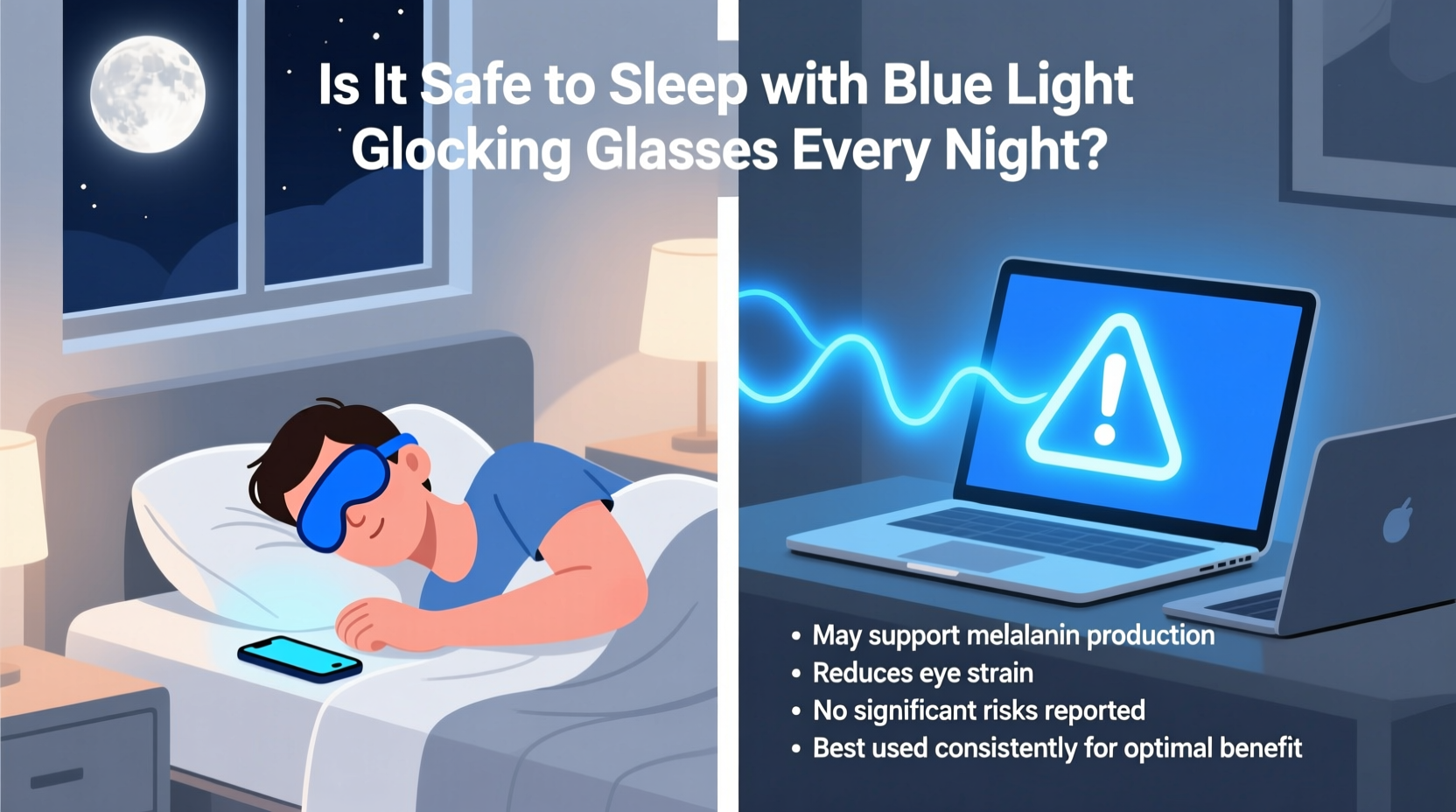
These glasses typically feature lenses with amber, orange, or red tints that selectively absorb or reflect high-energy visible (HEV) blue light emitted by digital screens, LED lighting, and other artificial sources. The science behind their effectiveness lies in the role of intrinsically photosensitive retinal ganglion cells (ipRGCs) in the eyes. These cells are especially sensitive to blue light and send signals directly to the brain’s suprachiasmatic nucleus—the master clock that governs circadian rhythm.
When blue light hits these cells late at night, it tricks the brain into thinking it’s still daytime, delaying melatonin release and pushing back sleepiness. Studies have shown that wearing blue-blocking glasses for just two hours before bedtime can significantly increase melatonin levels and improve subjective sleep quality.
“Evening exposure to blue light can delay melatonin onset by up to three hours. Using filtering glasses is one of the most effective non-pharmacological interventions to protect circadian timing.” — Dr. Laura Foster, Circadian Neuroscientist, Stanford Sleep Medicine Center
However, this benefit applies only when the eyes are exposed to light. Once lights are off and a person is asleep, there’s no visual input to process, rendering the glasses functionally unnecessary.
Potential Risks of Wearing Glasses During Sleep
While using blue light blocking glasses as part of an evening wind-down routine is widely supported, wearing them throughout the night introduces several practical and physiological concerns:
- Physical discomfort: Most frames are not designed for extended wear, let alone overnight use. Pressure points on the nose and ears can lead to irritation, redness, or even skin breakdown over time.
- Eye dryness and microtrauma: Closed eyelids naturally protect the cornea and maintain moisture. If glasses press against the lids or face, they may prevent complete closure or disrupt tear film stability, increasing the risk of dry eye symptoms.
- Disruption of sleep posture: Side sleepers may find the frames dig into the pillow, causing frequent awakenings or neck strain. This undermines sleep continuity, defeating the very purpose of using the glasses in the first place.
- Accidental injury: There’s a small but real risk of scratching the eye if the glasses shift during sleep, especially during REM cycles when muscle twitches are common.
Best Practices for Using Blue Light Blocking Glasses
To maximize benefits without introducing unnecessary risks, follow a targeted usage strategy focused on timing and environment:
- Wear them consistently in the evening: Start wearing the glasses 2–3 hours before your target bedtime, especially if you’re using phones, tablets, or watching TV.
- Choose the right tint: Amber lenses block ~65% of blue light and are suitable for general evening use. For stronger effects, especially in bright environments, consider red-tinted lenses that block nearly all blue and green light.
- Pair with dim lighting: Combine glasses with low-intensity, warm-toned lighting (under 2700K) to further support melatonin production.
- Avoid bright overhead lights: Ceiling LEDs emit significant blue light. Use floor or table lamps instead during the pre-sleep window.
- Remove before lying down: Take the glasses off once you get into bed. Your eyes don’t need protection from light once they’re closed and your room is dark.
Real-Life Example: A Shift Worker’s Routine
Consider Mark, a 38-year-old nurse working night shifts. To regulate his sleep schedule after returning home in the morning, he wears red-tinted blue light blocking glasses during his commute and while having breakfast. He uses blackout curtains and avoids screens entirely once in bed. His glasses are removed before sleep, ensuring comfort and preventing pressure marks. Over six months, he reported a 40-minute reduction in sleep onset time and fewer instances of waking up dehydrated or with eye discomfort—issues he previously experienced when accidentally falling asleep with regular reading glasses on.
This example illustrates how strategic, timed use of blue-blocking eyewear supports circadian alignment without crossing into risky overnight wear.
Do’s and Don’ts: Safe Use of Blue Light Blocking Glasses
| Do’s | Don’ts |
|---|---|
| Wear glasses 2–3 hours before bedtime | Sleep with them on regularly |
| Use red or amber lenses in the evening | Use clear \"blue-blocking\" lenses—they offer minimal protection |
| Combine with screen filters (e.g., Night Shift, f.lux) | Expect them to compensate for poor sleep hygiene (e.g., caffeine, irregular schedule) |
| Store them safely after use | Leave them on your pillow or bed where they can be crushed |
| Clean lenses regularly to maintain clarity | Wear damaged or scratched glasses—they can distort vision and cause eye strain |
Expert Recommendations and Alternatives
While blue light blocking glasses are effective tools, experts emphasize that they should be part of a broader sleep hygiene protocol—not a standalone fix. Environmental and behavioral factors play a more significant role in long-term sleep quality.
“Glasses are helpful, but they’re not a magic bullet. We see patients who wear them religiously but still scroll through bright phones in bed. The behavior matters more than the accessory.” — Dr. Naomi Chen, Clinical Sleep Specialist, Cleveland Clinic
Alternatives and complementary strategies include:
- Screen curfews: Stop using digital devices at least 60 minutes before bed.
- Software solutions: Enable built-in night modes on smartphones and computers that reduce blue light emission automatically.
- Room optimization: Use blackout curtains, minimize ambient light, and keep the bedroom cool and quiet.
- Behavioral routines: Replace screen time with reading (printed books), meditation, or light stretching.
For individuals with extreme light sensitivity or circadian disorders like Delayed Sleep Phase Syndrome (DSPS), medical supervision may be necessary. In such cases, timed light therapy combined with melatonin supplementation under a doctor’s guidance often proves more effective than glasses alone.
FAQ
Can blue light blocking glasses damage my eyes if worn too long?
No evidence suggests that blue light blocking glasses cause eye damage when worn during waking hours. However, prolonged wear during sleep may contribute to dryness or mechanical irritation due to pressure on the eyelids or facial skin. As with any eyewear, comfort and fit are key.
Are there special glasses designed for sleeping?
There are no medically recommended glasses designed specifically for sleeping. Some people use moisture chamber goggles for dry eye conditions, but these are different from blue light blockers and serve a therapeutic purpose. Standard blue light blocking glasses are not intended for overnight wear.
Will wearing blue light glasses all evening affect my vision?
No. The filtered light does not harm your eyes. In fact, reducing blue light exposure in the evening supports natural vision relaxation. However, wearing them during daylight hours—especially in the morning—can disrupt circadian rhythms by blocking the blue light needed to promote alertness and reset your internal clock.
Step-by-Step Guide: Optimizing Evening Light Exposure
Follow this timeline to integrate blue light management into your nightly routine effectively:
- 6:00 PM – Begin transition: Turn off harsh overhead lights. Switch to warm, low-lumen bulbs in living areas.
- 7:00 PM – Put on blue light blocking glasses: Especially if you’ll be using screens. Choose amber or red lenses based on your environment.
- 7:30 PM – Activate device settings: Enable Night Shift (iOS), Blue Light Filter (Android), or install f.lux on computers.
- 8:30 PM – Wind down activities: Avoid intense work or stimulating content. Opt for analog activities like journaling or listening to podcasts.
- 9:30 PM – Screen curfew: Power down all devices. Place glasses in a designated spot to avoid misplacing them.
- 10:00 PM – Prepare for sleep: Get into bed in a dark, quiet room. Practice deep breathing or mindfulness to ease into sleep.
Conclusion
Wearing blue light blocking glasses every night as part of a pre-sleep routine is not only safe—it’s a scientifically supported practice for improving sleep quality. However, sleeping with them on is unnecessary and carries minor but avoidable risks related to comfort, eye health, and sleep posture. The goal is not to block light indefinitely, but to support your body’s natural transition into rest by managing light exposure at the right times.
The most effective approach combines targeted use of blue-blocking glasses with holistic sleep hygiene: consistent schedules, a dark sleeping environment, and reduced stimulation before bed. Used wisely, these glasses are a valuable tool—but like any tool, their value depends on proper application.
“Sleep support isn’t about adding more gadgets—it’s about removing disruptions. Blue light glasses help remove one major disruption. But leaving them on all night adds new ones.” — Dr. Elena Rodriguez, Sleep Health Researcher, University of Michigan




 浙公网安备
33010002000092号
浙公网安备
33010002000092号 浙B2-20120091-4
Comments
No comments yet. Why don't you start the discussion?