
Skin health is not just about choosing the right ingredients—it's also about using them at the right time. Many people keep skincare products long after their expiration dates, assuming they’re still effective or harmless. But chemical stability, microbial safety, and ingredient potency degrade over time. Using expired skincare isn’t always dangerous, but it can lead to reduced benefits, skin irritation, or even infections. Understanding what happens when skincare expires—and what exactly breaks down—can help you make informed decisions about your routine.
Why Skincare Products Expire: The Science Behind Shelf Life
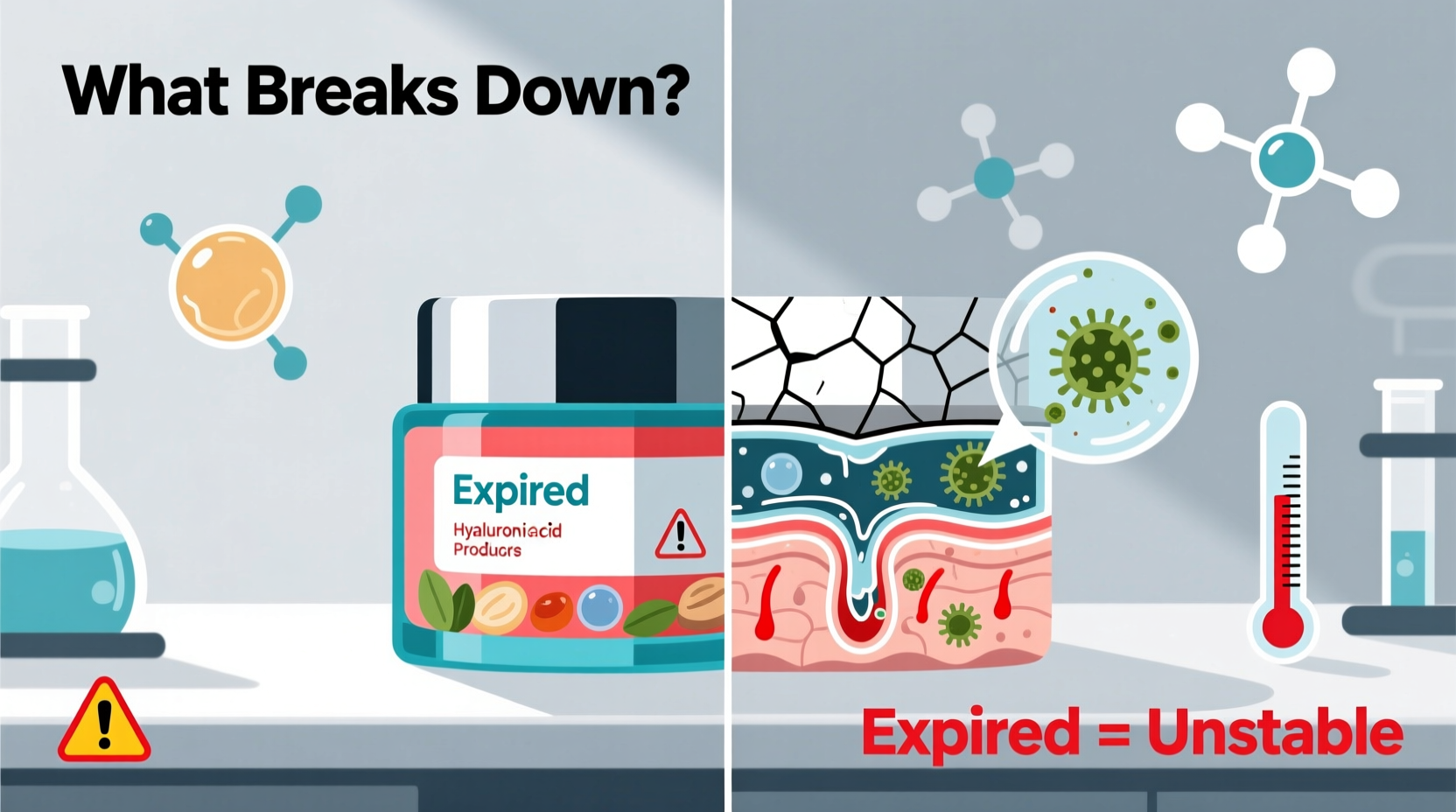
All skincare products have a finite lifespan due to the nature of their ingredients and formulation. Unlike food, skincare doesn't \"spoil\" in the same obvious way, but its components degrade chemically and physically. Manufacturers determine shelf life through stability testing, which assesses how long a product maintains its intended performance under normal storage conditions.
The two main factors influencing expiration are:
- Period After Opening (PAO): Indicated by an open jar symbol (e.g., “12M”), this tells you how many months the product remains stable after first use.
- Best Before Date: Found on some products, especially those with minimal preservatives, this is the date before which the product guarantees full efficacy and safety if unopened.
Once opened, exposure to air, light, moisture, and bacteria accelerates degradation. Even well-formulated products contain active compounds that break down over time—some faster than others.
What Breaks Down in Expired Skincare Products?
Different ingredients degrade at different rates, affecting both performance and safety. Here’s a breakdown of common actives and what happens when they expire:
Vitamin C (L-ascorbic acid)
One of the most unstable ingredients in skincare, vitamin C oxidizes rapidly when exposed to air and light. Once oxidized, it turns yellow or brown and loses its ability to brighten skin or fight free radicals. Worse, degraded vitamin C may increase oxidative stress instead of reducing it.
Retinoids (Retinol, Retinal, Prescription Retinoids)
These powerful anti-aging compounds break down quickly in light and oxygen. Over time, retinol converts into inactive forms, making it less effective. In rare cases, degraded retinoids can become irritating, causing redness or peeling without delivering benefits.
Alpha Hydroxy Acids (AHAs) and Beta Hydroxy Acids (BHAs)
Glycolic acid, lactic acid, and salicylic acid lose potency as pH shifts occur during degradation. While they don’t typically become harmful, weakened acids won’t exfoliate effectively, leading to disappointment in results. Additionally, improper pH levels can disrupt the skin barrier.
Peptides and Growth Factors
These protein-based ingredients are highly sensitive to heat and microbial contamination. Once broken down, peptides cannot signal skin cells to produce collagen, rendering them useless. Contaminated peptide serums may introduce pathogens to compromised skin.
Hydrating Ingredients (Hyaluronic Acid, Glycerin)
These are more stable but can still be affected by formulation changes. If the base solution degrades or evaporates, hyaluronic acid may pull moisture from the skin instead of the environment—a counterproductive effect in dry climates.
“Active ingredients like vitamin C and retinol are only effective within a narrow window of stability. Beyond that, you're paying for placebo.” — Dr. Lena Patel, Board-Certified Dermatologist
Risks of Using Expired Skincare Products
While using a slightly past-date moisturizer might not cause harm, other products pose real risks. The dangers depend on product type, storage conditions, and individual skin sensitivity.
Reduced Efficacy
The most common issue is simply wasted money. Expired sunscreen, for example, may offer far less UV protection than labeled, increasing risk of sun damage and premature aging.
Bacterial and Fungal Contamination
Creams and lotions with water content are breeding grounds for microbes once preservatives degrade. Double-dipping fingers into jars introduces bacteria, which multiply over time. Signs include odd smells, separation, or visible mold.
Skin Irritation and Allergic Reactions
Decomposed ingredients can form new compounds that irritate the skin. For instance, oxidized oils in facial oils or balms may turn rancid and trigger contact dermatitis, especially in acne-prone or sensitive skin types.
Infections
Eyecare products like eye creams or lash serums carry higher risks. Using an expired eye serum could introduce Pseudomonas or Staphylococcus, potentially leading to conjunctivitis or styes.
| Product Type | Typical Shelf Life (After Opening) | Risks When Expired | Safe to Use Slightly Past Date? |
|---|---|---|---|
| Vitamin C Serum | 3–6 months | Oxidation, reduced efficacy, potential irritation | No – discard if discolored |
| Retinol Cream | 6–12 months | Loses potency, possible increased irritation | Mildly – if stored properly and shows no odor |
| Moisturizer (jar) | 6–12 months | Bacterial growth, texture changes | Only if no smell or separation |
| Sunscreen | 12 months (or per label) | Greatly reduced SPF, sun damage risk | No – never use expired sunscreen |
| Face Oil | 6–12 months | Rancidity, comedogenic byproducts | No – if smells metallic or sour |
| Exfoliating Toner (AHA/BHA) | 6–9 months | pH imbalance, ineffective exfoliation | Possibly – if sealed and stored cool |
How to Tell If a Skincare Product Has Gone Bad
Expiration dates are helpful, but not all products display them clearly. Instead, rely on sensory cues and physical changes:
- Change in Color: Yellowing vitamin C, darkening toners, or cloudy serums indicate oxidation or microbial growth.
- Odd Smell: Sour, metallic, or rancid odors suggest bacterial contamination or oil degradation.
- Texture Separation: If lotion splits into liquid and cream layers and won’t re-emulsify, it’s compromised.
- Itching, Burning, or Breakouts: New skin reactions after long-term use may signal ingredient breakdown or contamination.
- Packaging Clues: Pumps that sputter or airless containers that fail to dispense may mean air has entered, accelerating spoilage.
Step-by-Step Guide: What to Do With Expired Skincare
Don’t flush or pour skincare down the drain—many ingredients aren't biodegradable and can harm aquatic life. Follow this responsible disposal process:
- Stop Using It: At the first sign of spoilage, discontinue use immediately.
- Check Local Regulations: Some communities classify cosmetics as hazardous waste. Visit your municipal website for guidelines.
- Dispose of Liquid Products: Pour remaining liquid into absorbent material (like cat litter), seal in a bag, and trash. Wipe empty bottles clean before recycling.
- Recycle Packaging: Remove pumps and caps if recyclable. Rinse containers thoroughly.
- Donate Unopened Items: If within shelf life, consider donating unused products to shelters or beauty banks.
Mini Case Study: The Cost of Ignoring Expiration Dates
Sophia, a 32-year-old marketing executive, had been using the same vitamin C serum for over 14 months—long past its 6-month PAO. She noticed her skin looked duller and developed occasional red patches. Assuming she needed a stronger formula, she layered another antioxidant serum, worsening the irritation.
After visiting a dermatologist, she learned her original serum had oxidized completely, turning into a pro-oxidant that damaged her skin barrier. The redness wasn’t acne or allergy—it was low-grade inflammation from degraded L-ascorbic acid. Switching to a fresh, properly stored serum restored her glow within weeks.
This case illustrates how invisible degradation can undermine even the most diligent skincare routines.
Expert Tips for Extending Skincare Shelf Life
Proper storage can significantly delay breakdown and preserve potency. Consider these science-backed strategies:
- Keep products away from humidity: Avoid storing skincare in the bathroom, where steam and temperature swings accelerate spoilage.
- Use clean hands or spatulas: Minimize bacterial transfer by avoiding direct finger contact with jarred products.
- Store in cool, dark places: A bedroom drawer or cabinet is better than a sunny windowsill.
- Refrigerate unstable formulas: Vitamin C, probiotic serums, and certain peptides benefit from cold storage.
- Choose airless packaging: Pumps and vacuum-sealed containers limit air exposure, preserving actives longer.
“Preservatives only work so long. Once they’re overwhelmed, bacteria take over. Prevention starts the moment you open the product.” — Dr. Marcus Tran, Cosmetic Chemist
Frequently Asked Questions
Can I use skincare after the expiration date if it looks and smells fine?
Maybe—but with caution. Water-based products with preservatives (like moisturizers or toners) may be safe for a short period past expiry if stored well and show no changes. However, actives like retinol or vitamin C likely lost potency. Sunscreen should never be used past its date, regardless of appearance.
Do natural or organic skincare products expire faster?
Yes. Because they often contain fewer synthetic preservatives, natural products are more prone to microbial growth and oxidation. Most last 3–6 months after opening. Look for refrigeration instructions or ethanol-based preservation systems.
Does freezing skincare extend its life?
Not recommended. Freezing can destabilize emulsions, causing separation upon thawing. It may also alter the texture and delivery of active ingredients. Refrigeration is sufficient for sensitive formulas.
Conclusion: Prioritize Safety and Efficacy
Your skin deserves more than guesswork. Using expired skincare might seem economical, but it risks irritation, infection, and missed benefits. Knowing what breaks down—vitamin C, retinoids, acids, and peptides—helps you recognize when a product is no longer serving you. Pay attention to packaging dates, storage conditions, and sensory clues. When in doubt, replace it.




 浙公网安备
33010002000092号
浙公网安备
33010002000092号 浙B2-20120091-4
Comments
No comments yet. Why don't you start the discussion?