
In an era where smartphones dominate daily life, language learning apps like Duolingo, Babbel, and Memrise have surged in popularity. With sleek interfaces, gamified lessons, and promises of fluency in minutes a day, these tools seem to offer a modern solution to an ancient challenge: mastering a new language. But beneath the badges and streaks lies a critical question—do these apps genuinely build linguistic competence, or are they little more than digital placebos that give users the illusion of progress?
The truth is nuanced. While language apps can be powerful entry points into language acquisition, their effectiveness depends on how they’re used, what learners expect from them, and whether they’re supplemented with real-world practice. To understand their true value, we need to examine the science of language learning, evaluate app-based methodologies, and consider both their strengths and glaring limitations.
The Science Behind Language Acquisition
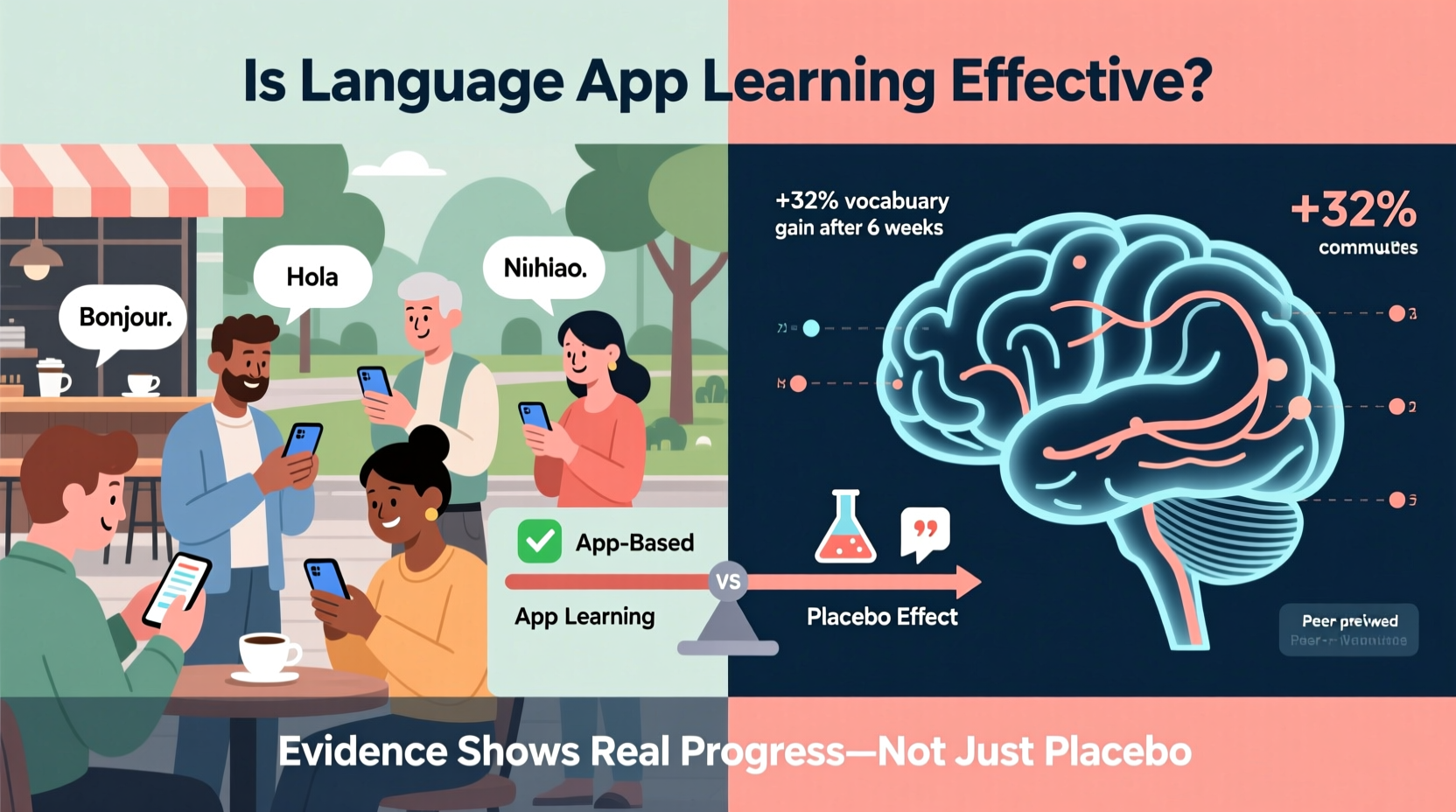
Language learning isn’t merely about memorizing vocabulary—it’s a complex cognitive process involving listening, speaking, reading, writing, grammar, cultural context, and spontaneous communication. According to research in psycholinguistics, effective language acquisition requires three key components:
- Comprehensible Input: Exposure to language slightly above your current level (i+1), as theorized by linguist Stephen Krashen.
- Active Output: Practicing speaking and writing to reinforce memory and develop fluency.
- Meaningful Interaction: Engaging in real conversations where language serves a purpose beyond repetition.
Most language apps excel at delivering input through structured vocabulary drills and grammar exercises. They often use spaced repetition systems (SRS) to optimize memory retention—a scientifically backed method proven to enhance long-term recall. However, many fall short when it comes to output and interaction. Typing translations or selecting correct answers doesn’t equate to constructing original sentences under pressure or navigating misunderstandings in conversation.
What Apps Do Well—and Where They Fall Short
Language apps have undeniable strengths. They lower the barrier to entry, making language learning accessible anytime, anywhere. Their bite-sized lessons fit into busy schedules, and their reward systems—streaks, levels, leaderboards—tap into behavioral psychology to encourage consistency.
But motivation isn’t the same as mastery. Consider this: after six months of daily Duolingo use, a user might recognize hundreds of words and conjugate basic verbs—but still struggle to order food in a restaurant or understand a native speaker’s rapid speech.
The core issue lies in design. Most apps prioritize completion over communication. Users advance by getting answers right, not by expressing themselves. Voice recognition features, while improving, often accept robotic or unnatural pronunciation. And because feedback is binary (correct/incorrect), learners rarely receive nuanced correction on grammar, intonation, or word choice.
“App-based learning can build foundational knowledge, but it’s like learning to swim by watching videos. You need immersion to actually stay afloat.” — Dr. Elena Martinez, Cognitive Linguist at McGill University
Comparing Popular Language Apps: A Reality Check
| App | Strengths | Limitations | Best For |
|---|---|---|---|
| Duolingo | Free, gamified, excellent for vocabulary drills | Limited speaking practice, repetitive, lacks depth in grammar explanations | Casual learners, beginners building basic recognition |
| Babbel | Structured curriculum, real-life dialogues, grammar focus | Pricier, less engaging gamification | Beginners seeking conversational foundations |
| Memrise | User-generated content, video clips of native speakers | Inconsistent quality, limited course depth | Vocabulary expansion with authentic pronunciation |
| Busuu | Community feedback, personalized study plans | Free version is restrictive | Learners wanting human interaction elements |
| Rosetta Stone | Immersive method, strong pronunciation training | Expensive, minimal explicit grammar instruction | Those willing to invest in immersive-style learning |
This comparison reveals a pattern: no single app offers a complete language education. Each fills a niche, but none replicate the dynamic, unpredictable nature of real communication.
A Real-World Case: From App User to Conversational Speaker
Take the example of James, a software developer in Toronto who wanted to learn Spanish before traveling to Colombia. He started with Duolingo, completing lessons every morning for 15 minutes. After four months, he had a 120-day streak and felt confident about his progress. But upon arrival, he couldn’t understand street vendors or respond naturally in conversations.
He adjusted his strategy. He kept using Duolingo for vocabulary review but added two key elements: weekly tutoring sessions on iTalki and daily listening practice with Spanish podcasts. Within two months, his comprehension improved dramatically. He began thinking in Spanish and could negotiate prices, ask for directions, and even joke with locals.
James’s experience illustrates a crucial point: apps work best when integrated into a broader learning ecosystem. They serve as tools—not teachers.
Building an Effective Language Learning Routine
To maximize the value of language apps, treat them as one component of a multi-faceted approach. Here’s a practical, step-by-step framework:
- Set Clear Goals: Define what “effective” means for you—ordering food, passing a proficiency test, or holding a job interview.
- Choose the Right App: Match the app to your goal. Use Babbel for structured grammar, Memrise for slang and pronunciation, or LingQ for reading immersion.
- Limit Daily App Time: 15–20 minutes is sufficient for review and new material. Avoid marathon sessions that lead to burnout.
- Add Active Practice: Schedule regular speaking sessions via language exchange platforms like Tandem or HelloTalk.
- Engage with Authentic Content: Watch YouTube videos, listen to music, or read news articles in your target language.
- Track Real Progress: Record yourself speaking monthly. Note improvements in fluency, accent, and confidence.
This routine shifts the focus from app metrics (like streaks) to tangible outcomes (like comprehension and expression).
Checklist: Maximizing App Effectiveness Without Falling for the Placebo
- ✅ Use apps for vocabulary and grammar fundamentals, not full fluency
- ✅ Limit app time to avoid passive consumption
- ✅ Supplement with real conversation at least twice a week
- ✅ Listen to native content daily (podcasts, TV, music)
- ✅ Track progress through speaking recordings or journal entries
- ✅ Be skeptical of “fluency in 3 months” claims
- ✅ Combine multiple resources—don’t rely on one app
When Apps Become a Placebo
The placebo effect in language learning occurs when users feel productive without achieving meaningful skill development. This happens when:
- They confuse app engagement with actual language ability.
- They celebrate streaks instead of communication milestones.
- They never attempt unscripted conversation.
- They believe daily lessons equal fluency, despite minimal real-world use.
In these cases, the app acts as a comfort zone—a way to feel like you’re learning without the discomfort of making mistakes, being misunderstood, or struggling to express thoughts. The brain rewards itself for consistency, but growth happens outside comfort, not inside it.
“Motivation without direction leads to wasted effort. Apps give the appearance of progress, but only real interaction builds true competence.” — Dr. Lena Petrova, Applied Linguistics Researcher
Frequently Asked Questions
Can I become fluent using only a language app?
No. While apps can help you reach a basic or intermediate level in reading and vocabulary, fluency requires speaking, listening in uncontrolled environments, and adapting to real-time communication. Fluency involves spontaneity, which apps cannot simulate effectively.
Are free language apps worth using?
Yes, especially for beginners. Free apps like Duolingo or Memrise provide excellent introductions to vocabulary and basic sentence structures. However, their free versions often limit advanced features, contain ads, or lack speaking practice. Use them as supplements, not primary tools.
How much time should I spend on language apps each day?
10–20 minutes per day is optimal. Short, consistent exposure supports retention better than infrequent, long sessions. Focus on quality over quantity—engage actively rather than rushing through lessons.
Conclusion: Tools, Not Teachers
Language learning apps are not inherently ineffective—they’re tools, and like any tool, their value depends on how they’re used. When leveraged correctly, they can accelerate vocabulary acquisition, reinforce grammar patterns, and maintain daily discipline. But when treated as standalone solutions, they risk becoming digital crutches that delay real progress.
The most successful language learners don’t just complete lessons—they apply them. They move from tapping screens to speaking aloud, from selecting correct answers to forming original thoughts. They use apps as launchpads, not destinations.
If you’re serious about learning a second language, start with an app if it motivates you. But don’t stop there. Seek out conversations, embrace mistakes, and immerse yourself in the messy, unpredictable beauty of real communication. That’s where true fluency begins.




 浙公网安备
33010002000092号
浙公网安备
33010002000092号 浙B2-20120091-4
Comments
No comments yet. Why don't you start the discussion?