
Mushroom coffee has quietly infiltrated grocery shelves, wellness blogs, and Instagram feeds. Marketed as a brain-boosting, energy-balancing alternative to traditional coffee, it promises focus without jitters and immunity support with every sip. But behind the sleek packaging and buzzwords lies a pressing question: is mushroom coffee actually beneficial, or is it just another overhyped trend capitalizing on the growing fascination with functional foods?
To answer this, we need to look beyond marketing claims and examine the ingredients, scientific research, and real-world experiences. This isn’t about jumping on the next bandwagon—it’s about understanding what you’re drinking and whether it delivers tangible value.
What Exactly Is Mushroom Coffee?
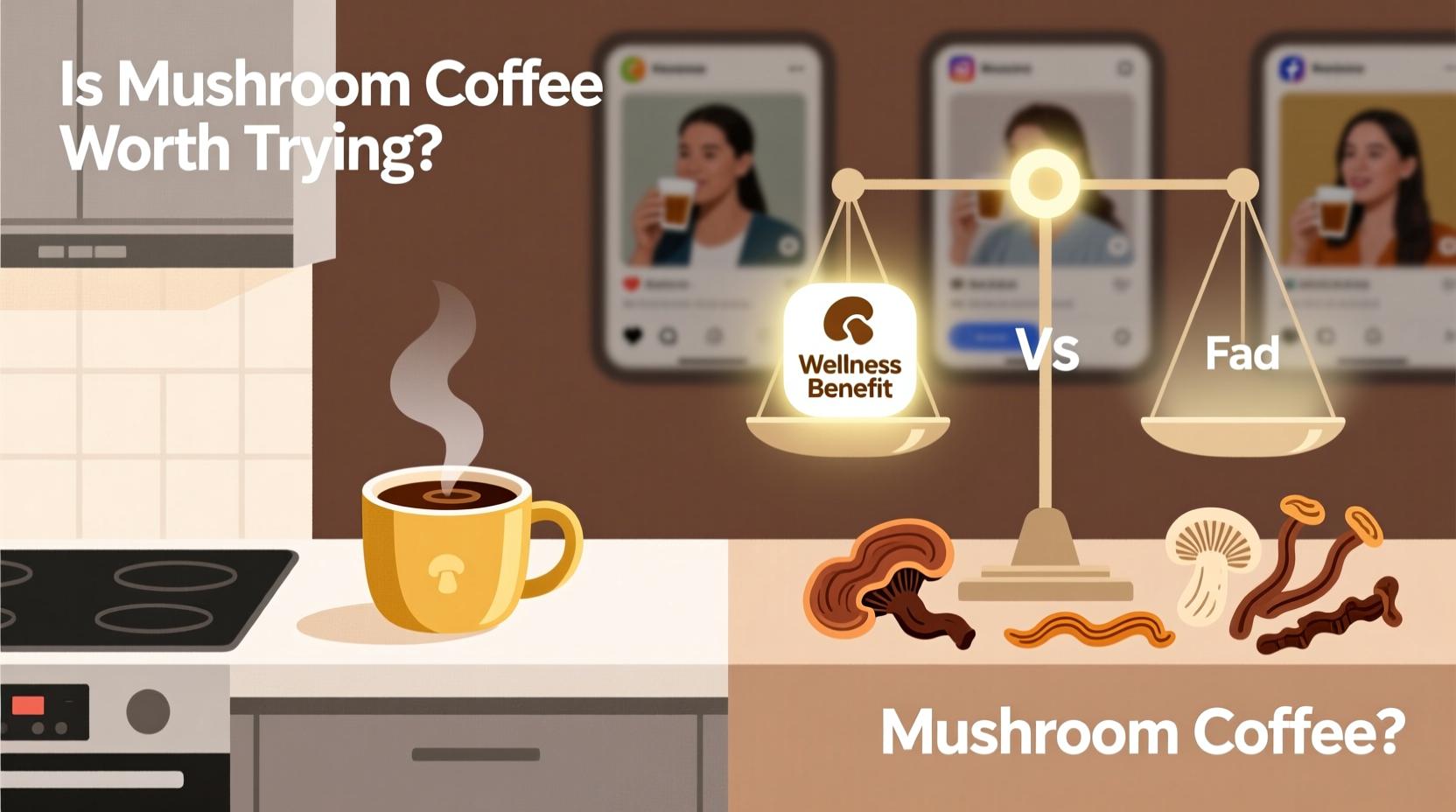
Mushroom coffee isn’t made from mushrooms in the culinary sense. Instead, it blends ground coffee beans with extracts from medicinal mushrooms—typically species like lion’s mane, cordyceps, reishi, or chaga. These fungi have been used for centuries in traditional Chinese and Ayurvedic medicine, prized for their purported health properties.
The mushroom component is usually in powdered extract form, derived from the fruiting body or mycelium (the root-like network). The ratio varies by brand, but most products contain significantly more coffee than mushroom extract—often 90% coffee, 10% mushroom. That means you're still getting caffeine, but with an added functional layer.
Proponents claim that mushroom coffee offers the alertness of coffee without the crash, thanks to adaptogenic properties in the mushrooms that help the body manage stress. But how much of this is backed by science?
The Science Behind Medicinal Mushrooms
Unlike psychedelic mushrooms, the varieties used in mushroom coffee are non-hallucinogenic and studied primarily for their bioactive compounds—such as beta-glucans, polysaccharides, and triterpenes—which may influence immune function, inflammation, and cognitive performance.
Let’s examine the most common mushrooms found in these blends:
- Lion’s Mane (Hericium erinaceus): Research suggests it may stimulate nerve growth factor (NGF) production, potentially supporting cognitive function and neuroprotection. A 2009 study published in Phytotherapy Research found that older adults with mild cognitive impairment showed improved cognitive test scores after consuming lion’s mane daily for 16 weeks.
- Cordyceps: Known for enhancing physical performance and oxygen utilization, cordyceps has been shown in small studies to improve exercise capacity. One trial noted a 7% increase in VO2 max among older adults taking cordyceps supplements.
- Reishi (Ganoderma lucidum): Often called the “mushroom of immortality,” reishi is linked to immune modulation and reduced fatigue. However, its effects are generally subtle and cumulative, not immediate.
- Chaga (Inonotus obliquus): Rich in antioxidants, chaga has demonstrated anti-inflammatory properties in lab studies, though human trials are limited.
“Medicinal mushrooms contain compounds with genuine biological activity, but their effects are often modest and require consistent use over time.” — Dr. Elena Torres, Integrative Nutrition Researcher
While promising, most of the evidence comes from animal studies, test-tube experiments, or small human trials. Large-scale, long-term clinical data is lacking. That doesn’t mean the benefits are fake—but they may be overstated in consumer marketing.
Mushroom Coffee vs. Regular Coffee: A Practical Comparison
How does mushroom coffee stack up against your morning brew? Let’s break it down across key factors.
| Feature | Mushroom Coffee | Regular Coffee |
|---|---|---|
| Caffeine Content | Lower (50–75mg per serving) | Higher (95–200mg per 8oz) |
| Energy Effect | Gradual, sustained | Quick spike, possible crash |
| Taste Profile | Earthy, slightly woody | Bitter, roasted, acidic |
| Added Health Claims | Immune, cognitive, adaptogenic support | Antioxidants, alertness |
| Cost | $3–$5 per serving | $0.50–$1.50 per serving |
| Scientific Backing | Limited human trials | Extensive research |
The lower caffeine content is one of the most noticeable differences. For people sensitive to caffeine or prone to anxiety, this can be a major advantage. The energy boost tends to feel smoother, with fewer jitters—a benefit attributed to both reduced caffeine and the adaptogenic nature of the mushrooms.
However, taste is subjective. Some find the earthiness pleasant; others describe it as “dirt in a cup.” If you’re used to bold espresso, mushroom coffee might feel underwhelming. On the upside, many brands offer flavored versions (vanilla, mocha) to mask the funk.
A Real-World Test: One Month With Mushroom Coffee
Jessica, a 34-year-old project manager from Portland, switched to mushroom coffee after years of relying on double espressos to power through her workday. She experienced frequent afternoon crashes and mid-morning anxiety.
She tried a popular lion’s mane and cordyceps blend for four weeks, replacing her usual morning latte. Her observations:
- No mid-morning jitteriness or heart palpitations.
- Felt more mentally “clear” during meetings, less scattered.
- Afternoon energy dip was less severe, though she still needed a short walk to recharge.
- Initially disliked the taste but adjusted after adding oat milk and cinnamon.
- Noticed better sleep quality, possibly due to lower caffeine intake.
Was it the mushrooms or simply drinking less caffeine? Jessica admits she can’t be sure. But the combination worked for her routine. She now uses mushroom coffee on high-stress days and switches back to regular coffee when she needs a stronger kick.
This case highlights a key insight: mushroom coffee isn’t a magic bullet, but it can be a useful tool in a personalized wellness strategy.
What to Look for When Buying Mushroom Coffee
Not all mushroom coffees are created equal. The market is largely unregulated, and some products prioritize branding over bioavailability. Here’s a checklist to help you choose wisely:
- Check the mushroom source: Opt for products using fruiting body extracts rather than mycelium grown on grain. Mycelium-based powders may contain filler starches and lower levels of active compounds.
- Look for third-party testing: Reputable brands provide lab reports verifying purity, potency, and absence of contaminants like heavy metals or mold.
- Review the ingredient list: Avoid added sugars, artificial flavors, or unnecessary fillers. The fewer ingredients, the better.
- Verify the mushroom species: Ensure the Latin name is listed (e.g., Hericium erinaceus), not just the common name.
- Consider the caffeine level: If you’re reducing caffeine, confirm the amount per serving. Some blends still pack a punch.
- Start with a sample size: Given the cost, try a single bag before committing to a subscription.
Common Misconceptions About Mushroom Coffee
Despite growing popularity, several myths persist:
- Myth: It’s completely caffeine-free. Most blends still contain coffee and therefore caffeine—just less than a standard cup.
- Myth: It will cure brain fog or chronic fatigue. While some users report mental clarity, it’s not a treatment for medical conditions. Results vary widely.
- Myth: All mushroom coffees are the same. Formulations differ drastically in potency, sourcing, and efficacy. Quality matters.
- Myth: It tastes like mushrooms. The flavor is earthy, but not overwhelmingly so. Most of the taste still comes from the coffee base.
Understanding these misconceptions helps set realistic expectations. Mushroom coffee is best viewed as a complementary wellness beverage—not a replacement for medical care or healthy lifestyle habits.
FAQ: Your Top Questions Answered
Can mushroom coffee really improve focus?
Preliminary research, particularly on lion’s mane, suggests it may support cognitive function by promoting nerve growth. Anecdotal reports often mention improved mental clarity. However, robust clinical evidence in healthy adults is still limited. The effect is likely subtle and builds over time.
Is it safe to drink every day?
For most people, yes—especially if using reputable brands. Medicinal mushrooms are generally well-tolerated. However, those with autoimmune conditions should consult a doctor, as some mushrooms can stimulate immune activity. Also, monitor caffeine sensitivity if combining with other sources.
Does mushroom coffee help with anxiety?
Some users report feeling calmer, which may stem from lower caffeine content and the adaptogenic properties of mushrooms like reishi. Reishi, in particular, has been studied for its calming effects. Still, it shouldn’t replace proven anxiety treatments.
Final Verdict: Worth Trying or Wellness Hype?
Mushroom coffee sits at the intersection of tradition, emerging science, and modern wellness culture. It’s not a miracle drink, nor is it entirely without merit. The truth lies in nuance.
If you’re someone who loves coffee but struggles with jitters, crashes, or brain fog, mushroom coffee could be a worthwhile experiment. The reduced caffeine and potential cognitive support from lion’s mane or cordyceps may offer a smoother, more balanced experience. For others, especially those seeking strong stimulation or budget-friendly options, regular coffee remains the practical choice.
The biggest risk isn’t side effects—it’s overspending on a product that overpromises. At $60+ for a month’s supply, mushroom coffee is a luxury item. You won’t find it in hospital nutrition guidelines or FDA-approved claims. But for those interested in functional foods and open to incremental improvements, it may fit into a broader wellness routine.
Ultimately, the decision should be based on personal goals, budget, and tolerance—not influencer endorsements.
“The future of wellness isn’t in silver bullets, but in small, sustainable upgrades—like swapping a jittery coffee for one that supports your nervous system.” — Dr. Rajiv Mehta, Functional Medicine Practitioner
Ready to Make an Informed Choice?
Mushroom coffee isn’t for everyone, but it’s not meaningless either. Approach it with curiosity, not expectation. Try a high-quality brand for two to three weeks, pay attention to how you feel, and compare it to your current routine. Keep a simple journal noting energy levels, focus, and mood.
If you notice a difference—great. If not, you’ve ruled out an option and learned more about your body. That’s progress.




 浙公网安备
33010002000092号
浙公网安备
33010002000092号 浙B2-20120091-4
Comments
No comments yet. Why don't you start the discussion?