
Niacinamide and retinol are two of the most celebrated ingredients in modern skincare. Both offer significant benefits—niacinamide for calming inflammation, strengthening the skin barrier, and reducing discoloration; retinol for accelerating cell turnover, smoothing texture, and diminishing fine lines. Yet many users hesitate to combine them, fearing irritation or reduced efficacy. The truth is more nuanced: when used correctly, these ingredients can work synergistically. However, improper layering or overuse can compromise results and damage the skin’s protective function.
The compatibility of niacinamide and retinol has been debated for years, but recent dermatological research and clinical formulations have clarified much of the confusion. Understanding their chemical interaction, your skin type, and application timing can make all the difference between glowing skin and a compromised moisture barrier.
The Science Behind Niacinamide and Retinol
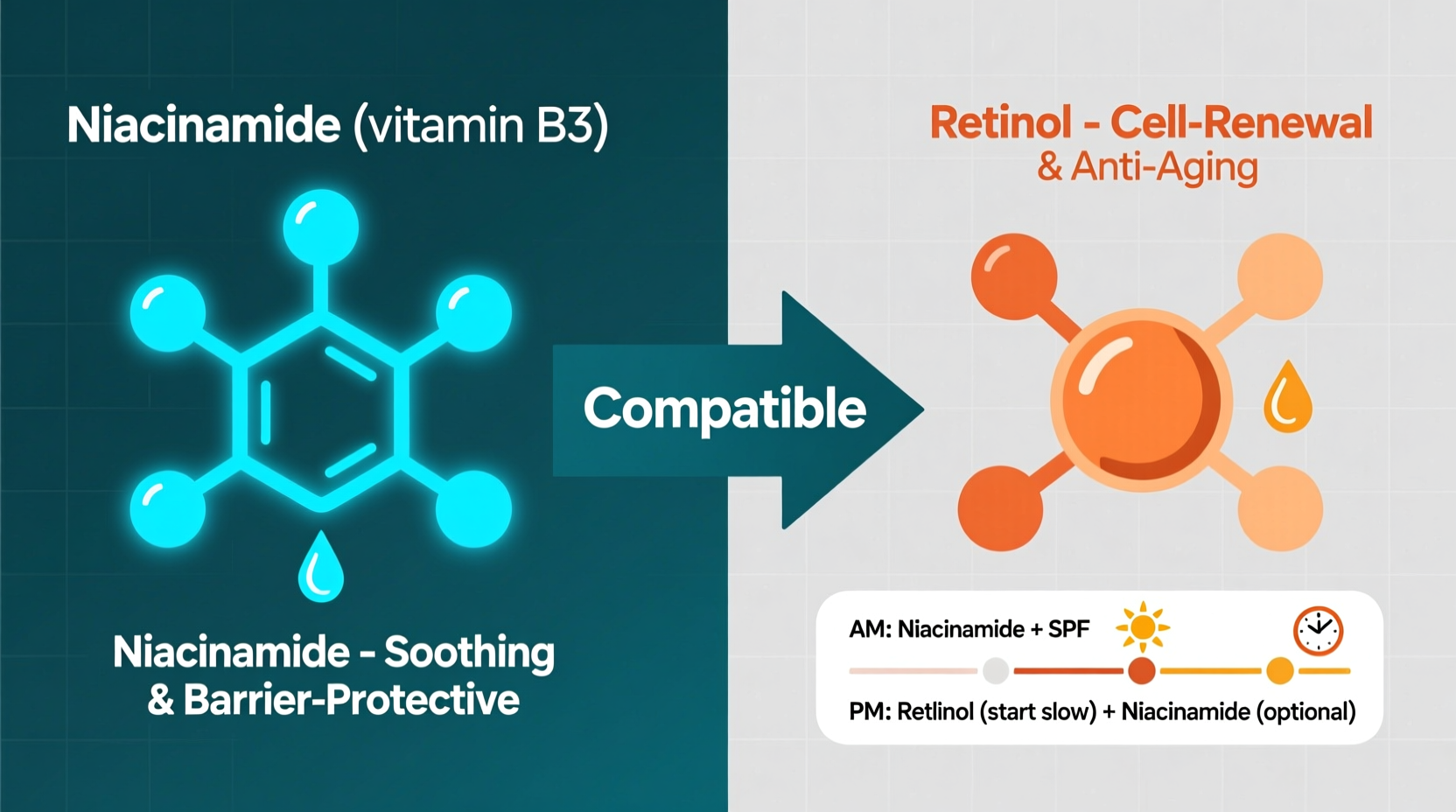
Niacinamide, also known as vitamin B3, plays a multifaceted role in skin health. It helps regulate sebum production, reduces redness and hyperpigmentation, and supports the synthesis of ceramides—essential lipids that maintain hydration and protect against environmental aggressors. Its anti-inflammatory properties make it suitable for sensitive, acne-prone, and rosacea-affected skin.
Retinol, a derivative of vitamin A, works at the cellular level to increase epidermal turnover. By binding to retinoic acid receptors in the skin, it encourages the shedding of dead cells and stimulates collagen production. This leads to smoother texture, improved tone, and long-term anti-aging benefits. However, retinol is notoriously irritating, especially during initial use, often causing dryness, peeling, and sensitivity.
For years, a myth persisted that niacinamide and retinol should not be combined because they could form nicotinic acid (a form of niacin), which might cause flushing or irritation. This concern originated from early 20th-century studies where high heat and low pH environments were used—conditions not reflective of typical skincare products or home use. Modern formulations are stable, buffered, and designed for coexistence.
“The idea that niacinamide and retinol can’t be used together is outdated. In fact, niacinamide can help mitigate some of retinol’s side effects.” — Dr. Lindsey Zubritsky, Board-Certified Dermatologist
Benefits of Combining Niacinamide with Retinol
When formulated properly or layered with care, niacinamide and retinol enhance each other’s performance. Here’s how:
- Reduced Irritation: Niacinamide strengthens the skin barrier, helping to counteract the drying and sensitizing effects of retinol. This makes the retinol experience more tolerable, especially for beginners.
- Improved Tolerance Over Time: Regular use of niacinamide before introducing retinol can prep the skin, making it more resilient to active ingredients.
- Brighter, More Even Tone: Both ingredients target post-inflammatory hyperpigmentation. Niacinamide inhibits melanosome transfer, while retinol speeds up the removal of pigmented cells.
- Enhanced Anti-Aging Effects: Retinol boosts collagen, while niacinamide increases ceramide production. Together, they support both structural integrity and surface resilience.
Best Practices for Layering Niacinamide and Retinol
How you apply these ingredients matters just as much as whether you combine them. Follow this step-by-step guide to maximize benefits and minimize risk:
- Cleanse Gently: Use a mild, non-stripping cleanser to remove impurities without compromising the lipid barrier.
- Apply Niacinamide First: After cleansing, apply your niacinamide serum. Its water-soluble nature allows it to absorb quickly and prepare the skin for subsequent products.
- Wait 1–2 Minutes: Allow the niacinamide to absorb fully. This prevents pilling and ensures optimal delivery.
- Apply Retinol: Use a pea-sized amount of retinol. Start with a lower concentration (0.1%–0.3%) and apply every other night.
- Moisturize: Seal everything with a nourishing moisturizer. This step, known as “sandwiching,” can further buffer irritation—especially helpful for sensitive skin types.
- Use SPF Daily: Always follow retinol use with broad-spectrum sunscreen during the day. Retinol increases photosensitivity.
Alternatively, some prefer to use niacinamide in the morning and retinol at night. This separation eliminates any theoretical risk of interaction and leverages the strengths of each ingredient at optimal times. Morning niacinamide provides antioxidant protection and oil regulation, while nighttime retinol takes advantage of the skin’s natural repair cycle.
Do’s and Don’ts When Using Niacinamide and Retinol
| Do | Don’t |
|---|---|
| Start slowly—use retinol 2–3 times per week initially | Apply retinol daily from day one |
| Pair niacinamide with retinol to reduce irritation | Mix with other actives like AHAs/BHAs or vitamin C unless experienced |
| Use a fragrance-free moisturizer to support barrier health | Use harsh toners or exfoliants simultaneously |
| Perform a patch test before full-face application | Ignore signs of over-exfoliation (redness, stinging, flaking) |
| Store retinol in a cool, dark place to preserve stability | Leave retinol in direct sunlight or high humidity |
Real-World Example: A Sensitive Skin Journey
Sophie, a 34-year-old with combination-sensitive skin, wanted to address early signs of aging and uneven tone. She tried retinol twice before but stopped due to redness and tightness. On her third attempt, she consulted a licensed esthetician who recommended starting with a 5% niacinamide serum every morning for two weeks to strengthen her barrier.
After this preparatory phase, she began using a 0.2% retinol product every other night, applying it after her niacinamide serum and following with a rich moisturizer. Within three weeks, she noticed minimal irritation and gradual improvement in texture. By week eight, her acne marks had faded, and her skin felt firmer. Her routine proved that strategic sequencing and patience yield better results than aggressive regimens.
“Introducing retinol doesn’t have to be painful. Pre-conditioning the skin with niacinamide is one of the smartest moves I recommend.” — Rachel Tran, Clinical Esthetician
Common Misconceptions Debunked
Despite growing evidence, several myths still circulate about combining niacinamide and retinol:
- Myth: They neutralize each other. There is no clinical evidence that niacinamide deactivates retinol under normal usage conditions. Most commercial products containing both ingredients are pH-balanced and stable.
- Myth: All skin types react the same. While many tolerate the combo well, those with extremely reactive skin or conditions like eczema may need to separate the ingredients or proceed with caution.
- Myth: You must wait hours between applications. A short wait time (1–2 minutes) is sufficient. Long gaps aren’t necessary unless layering thick or incompatible textures.
Frequently Asked Questions
Can I use niacinamide and retinol in the same routine if I have acne-prone skin?
Absolutely. Niacinamide helps regulate oil and calm inflammation, while retinol prevents clogged pores and improves scarring. Together, they’re a powerful duo for acne management. Just introduce retinol gradually to avoid purging or excessive dryness.
Is it safe to use a product that contains both niacinamide and retinol?
Yes. Many reputable brands formulate stabilized combinations of both ingredients. Look for encapsulated retinol and buffered formulas to ensure gentleness and efficacy. Always check the ingredient list and reviews before committing.
Should I use them together or at different times of day?
It depends on your skin’s tolerance. Using them together at night can be effective with proper layering. Alternatively, using niacinamide in the morning and retinol at night offers similar benefits with less risk. Choose based on your skin’s response, not rigid rules.
Checklist: How to Safely Combine Niacinamide and Retinol
- ✅ Assess your skin type and current barrier health
- ✅ Start with low-concentration retinol (0.1%–0.3%)
- ✅ Introduce niacinamide first if new to actives
- ✅ Apply niacinamide before retinol in your evening routine
- ✅ Wait 1–2 minutes between layers
- ✅ Moisturize thoroughly after retinol
- ✅ Use sunscreen every morning
- ✅ Monitor for irritation—adjust frequency if needed
- ✅ Avoid adding other actives until your skin adjusts
- ✅ Patch test new products on a small area first
Conclusion: Make the Combination Work for You
Niacinamide and retinol are not only compatible—they can be a transformative pairing when used thoughtfully. The key lies in understanding your skin, respecting its limits, and applying products in a way that maximizes synergy and minimizes stress. Whether you layer them, alternate them, or use a dual-active formula, the goal is consistent, irritation-free progress.
There’s no universal rule that applies to everyone. Some thrive on nightly combinations; others benefit from separation. Listen to your skin, track changes, and adjust as needed. With patience and precision, you can harness the full potential of both ingredients without compromise.




 浙公网安备
33010002000092号
浙公网安备
33010002000092号 浙B2-20120091-4
Comments
No comments yet. Why don't you start the discussion?