
When shopping for a new television, two names often come up: Sharp and Samsung. While Samsung dominates headlines, advertising budgets, and living rooms around the world, Sharp maintains a quieter presence—often praised by niche enthusiasts but overlooked by the mainstream. This raises a critical question: Is Sharp really that bad, or is the obsession with Samsung more about marketing than merit?
The answer isn’t as simple as brand loyalty or price tags. It involves display technology, long-term reliability, ecosystem integration, and consumer psychology. Let’s dissect the real reasons behind Samsung’s dominance and whether Sharp deserves a second look.
Understanding the Brand Divide
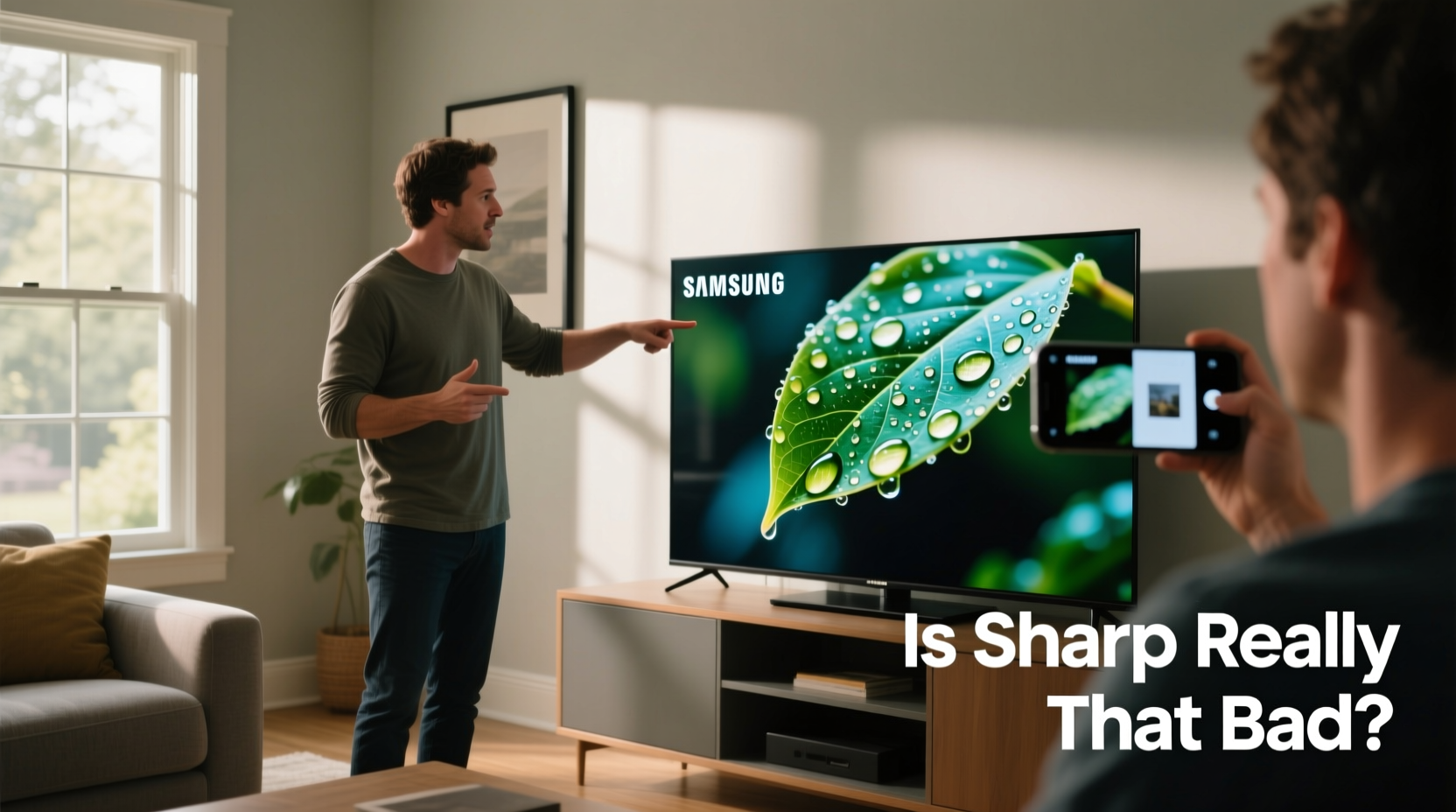
Samsung has spent over two decades building a global reputation not just for TVs, but across smartphones, appliances, and semiconductors. Its aggressive R&D investment and massive marketing campaigns have positioned it as a leader in innovation. In contrast, Sharp, once a pioneer in LCD technology, has seen its influence wane after financial struggles and a partial acquisition by Foxconn in 2016.
Yet, Sharp didn’t disappear. Many of its panels are still used in other brands’ TVs, and their Aquos line continues to deliver solid picture quality at competitive prices. So why does Samsung dominate consumer perception?
- Samsung invests over $20 billion annually in R&D, enabling rapid iteration on QLED, Neo QLED, and Micro LED technologies.
- Sharp focuses on cost-effective LCD and 4K models, often avoiding premium-tier pricing.
- Samsung controls both hardware and software (Tizen OS), creating a seamless user experience.
- Sharp TVs typically run Android TV or proprietary systems, which can feel less polished.
“Samsung’s strength isn’t just in specs—it’s in ecosystem synergy. When your phone, watch, and TV work together, switching feels like a step backward.” — David Lin, AV Industry Analyst
Picture Quality: A Closer Look
Premium Samsung TVs use Quantum Dot technology (marketed as QLED) to enhance brightness, color volume, and HDR performance. These sets achieve peak brightness levels exceeding 2,000 nits on high-end models, making them ideal for bright rooms and vivid content like sports or nature documentaries.
Sharp, on the other hand, relies heavily on traditional LED-LCD and IPS panel designs. While some higher-end Aquos models feature local dimming and wide color gamuts, they generally max out around 600–800 nits. This makes them less effective in well-lit environments and limits their HDR impact.
Backlighting & Contrast Comparison
| Feature | Samsung (Neo QLED) | Sharp (Aquos 4K) |
|---|---|---|
| Peak Brightness | 1500–4000 nits | 500–800 nits |
| Local Dimming Zones | Full Array, up to 1000+ zones | Edge-lit or basic full array |
| Contrast Ratio | High (especially with Mini-LED) | Moderate (IPS panels bleed blacks) |
| Color Volume (DCI-P3) | 95–100% | 70–85% |
For movie enthusiasts and gamers, these differences matter. Samsung’s superior contrast and brightness translate into deeper blacks, brighter highlights, and a more immersive viewing experience—especially with Dolby Vision or HDR10+ content.
Ecosystem and Smart Features
One of Samsung’s biggest advantages lies beyond the screen: its smart ecosystem. The Tizen operating system is fast, intuitive, and deeply integrated with Samsung’s mobile devices. Features like Tap View, Multi-View, and SmartThings allow users to mirror phones, control home devices, or split screens effortlessly.
Sharp TVs, while functional, often run older versions of Android TV or custom firmware that can feel sluggish. App updates are infrequent, voice assistant integration (Bixby vs. Google Assistant) is less refined, and device mirroring lacks the polish of Samsung’s implementation.
“People don’t buy Samsung TVs just for the picture—they buy them because everything just works together.” — Lena Park, Home Tech Consultant
Real Example: The Johnson Family Setup
The Johnsons recently upgraded their home entertainment system. They own Samsung Galaxy phones, a Galaxy Watch, and several SmartThings-compatible lights and cameras. When they installed their new Samsung Neo QLED TV, they were able to:
- Use their phones as remotes via Bluetooth.
- Automatically turn on the TV when entering the living room using geofencing.
- Control the TV with Bixby voice commands from their watch.
- Stream workouts from their phone directly to the TV without cables.
Had they chosen a Sharp TV, most of these integrations would have required third-party apps or wouldn’t have worked at all. Convenience, not just picture quality, drove their decision.
Are Sharp TVs Really That Bad?
No, Sharp TVs are not inherently “bad.” In fact, for budget-conscious buyers or those with modest viewing needs, they offer solid value. Their Aquos 4K series delivers decent color accuracy, reliable motion handling, and access to major streaming platforms. Some models even support HDMI 2.1, making them viable for casual gaming.
However, Sharp struggles in three key areas:
- Innovation Lag: They rarely lead in new features like variable refresh rate (VRR), auto low latency mode (ALLM), or advanced AI upscaling.
- Build Quality: Plastics dominate the design, and stand stability is often weaker than Samsung’s metal-based builds.
- Software Support: Firmware updates are rare, leaving security and performance improvements stagnant.
Step-by-Step Guide: Choosing Between Sharp and Samsung
Follow this decision framework to determine which brand suits your needs:
- Assess Your Budget: Under $500? Sharp offers better value. Over $800? Samsung’s long-term benefits justify the cost.
- Evaluate Your Environment: Bright room? Samsung’s high brightness wins. Dark media room? Sharp can compete.
- Check Device Ecosystem: Own Samsung devices? Integration will save time and frustration.
- Consider Future-Proofing: Gamers and streamers need HDMI 2.1, VRR, and regular updates—Samsung leads here.
- Test Before Buying: Visit a store to compare motion clarity, black levels, and interface speed side-by-side.
Frequently Asked Questions
Can Sharp TVs last as long as Samsung TVs?
Yes, with proper care. Panel longevity is similar across brands when usage patterns are normal. However, Samsung’s better heat management and component quality may extend lifespan under heavy daily use.
Do Sharp TVs support Dolby Vision?
Most do not. Sharp has largely stuck with HDR10 due to licensing costs. Samsung supports both HDR10+ (its own format) and, on select models, Dolby Vision via firmware updates.
Is Samsung’s Tizen OS better than Android TV?
Subjectively, yes—for most users. Tizen is faster, less cluttered, and receives more frequent updates. Android TV offers more app flexibility but can feel bloated and slow on lower-end hardware.
Final Verdict: Obsession vs. Value
The obsession with Samsung TVs isn’t blind fanboyism—it’s rooted in consistent innovation, ecosystem cohesion, and superior performance in critical areas like brightness, contrast, and smart features. For consumers invested in connected devices or seeking top-tier picture quality, Samsung remains the logical choice.
But Sharp isn’t obsolete. For viewers who prioritize affordability, don’t need cutting-edge HDR, and aren’t tied to a specific ecosystem, Sharp offers a capable, no-frills alternative. It’s not that Sharp is “bad”—it’s that Samsung has redefined what a modern TV should be.
The market doesn’t need every brand to compete at the premium level. Sometimes, different strategies serve different audiences. Recognizing that distinction allows buyers to make informed decisions based on actual needs, not hype.




 浙公网安备
33010002000092号
浙公网安备
33010002000092号 浙B2-20120091-4
Comments
No comments yet. Why don't you start the discussion?