
Silk pillowcases have surged in popularity over the past decade, often marketed as a luxury skincare and haircare tool. From beauty influencers to dermatologists, many claim that switching from cotton to silk can reduce facial wrinkles, prevent sleep creases, and minimize hair frizz. But with price tags significantly higher than standard pillowcases, is the investment truly justified? To answer this, we need to examine the science behind silk’s properties, how it interacts with skin and hair during sleep, and whether real-world results support the claims.
The idea isn’t entirely new—silk has long been valued for its smooth texture and hypoallergenic qualities. However, modern marketing has elevated it into a must-have wellness accessory. While anecdotal evidence abounds, separating fact from fad requires a deeper look at fabric behavior, friction mechanics, moisture retention, and dermatological research.
How Silk Differs from Cotton and Other Fabrics
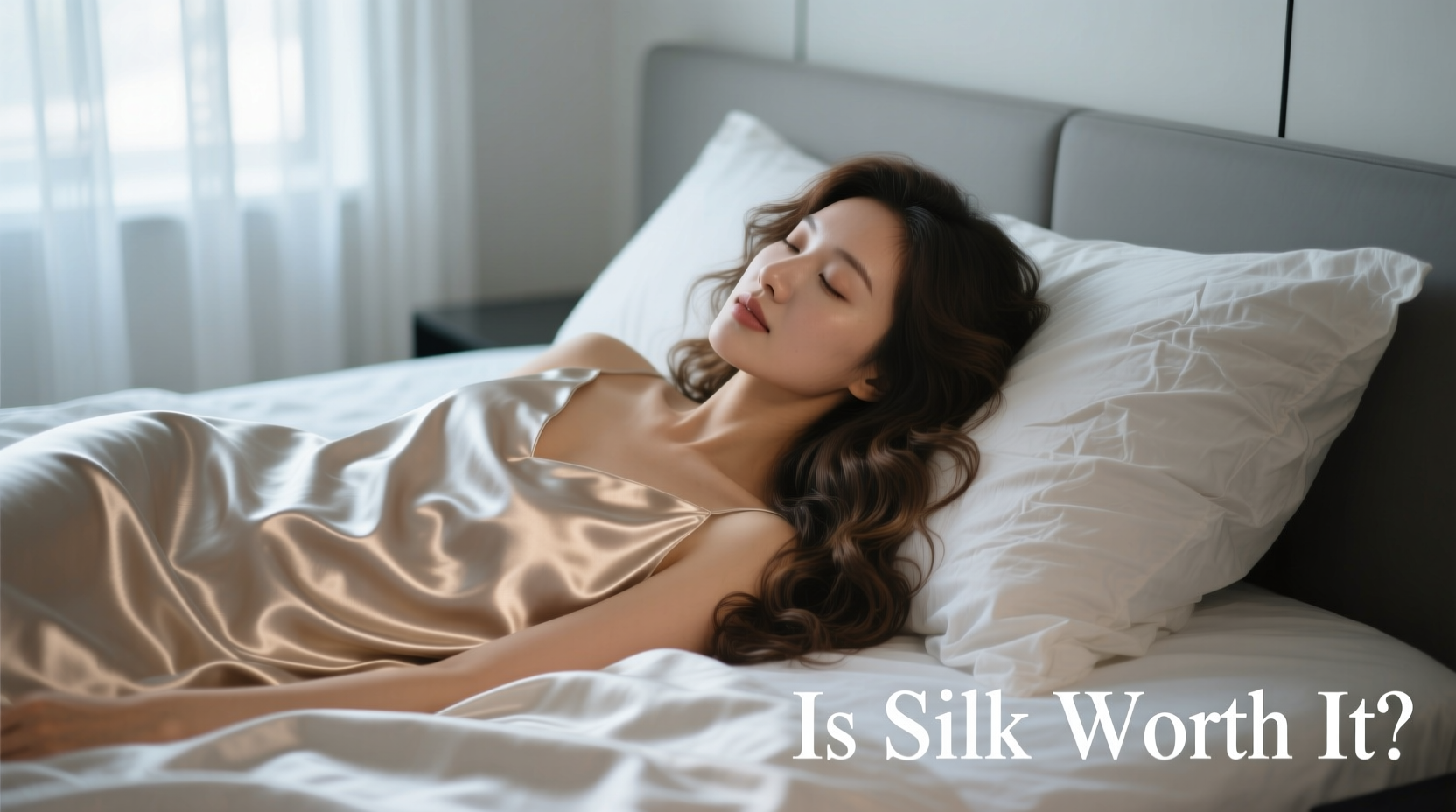
The primary argument in favor of silk pillowcases centers on their low-friction surface. Unlike cotton, which is woven with a high thread count but still creates resistance against skin and hair, silk fibers are naturally smoother and less absorbent. This structural difference plays a key role in how the fabric affects both your face and hair overnight.
Cotton is highly absorbent. It draws moisture from the air—and from your skin and hair. Over eight hours of sleep, this can lead to dehydration, especially for those with dry or sensitive skin. In contrast, silk absorbs significantly less moisture, helping retain natural oils and applied skincare products on the skin’s surface.
Moreover, the weave of silk (typically charmeuse) produces a slippery feel that reduces pulling and tugging. When you toss and turn, cotton can drag across your face, potentially contributing to what dermatologists call “sleep lines.” Over time, repeated compression in the same areas may deepen into permanent expression lines.
“While genetics and sun exposure play larger roles in aging, repetitive mechanical stress from rough bedding can accelerate wrinkle formation in predisposed individuals.” — Dr. Lena Park, Board-Certified Dermatologist
Can Silk Pillowcases Prevent Wrinkles?
The connection between silk pillowcases and wrinkle prevention hinges on two factors: reduced friction and consistent sleeping position.
When you sleep on your side or stomach, your face presses into the pillow. Cotton increases grip, creating micro-tension on delicate facial skin. Silk’s slick surface allows the face to glide slightly, minimizing compression forces. This doesn’t eliminate sleep lines entirely—but it may reduce their intensity and frequency.
A small 2016 pilot study published in *Clinical, Cosmetic and Investigational Dermatology* found that participants who switched to silk pillowcases reported improved skin smoothness and hydration after four weeks. Though not a large-scale trial, the results suggest a potential benefit, particularly in maintaining moisture balance.
However, it’s important to note that silk won’t reverse existing deep wrinkles or replace proven anti-aging treatments like retinoids or sunscreen. Instead, think of it as a complementary habit—one that supports overall skin health by reducing external stressors.
Impact on Hair: Frizz, Breakage, and Shine
If silk’s effect on skin is modest, its benefits for hair may be more pronounced. Anyone who wakes up with tangled, frizzy hair knows the frustration of morning damage. Much of this stems from friction: as your hair rubs against cotton, the rough surface disrupts the cuticle layer, leading to static, split ends, and loss of definition in curls.
Silk, being smoother, causes less disruption. Curly, coily, or chemically treated hair—types more prone to dryness and breakage—benefit most. Users often report waking with fewer tangles, maintained curl pattern, and reduced flyaways.
Additionally, because silk doesn’t wick away moisture, it helps preserve natural oils and leave-in conditioners overnight. This is especially valuable for those following the Curly Girl Method or using protein-rich treatments that could otherwise be absorbed by cotton.
One limitation: silk doesn’t protect hair from environmental factors like humidity or heat styling. Its value lies in passive protection during rest.
Real Example: A Case Study in Hair Health
Consider Maria, a 34-year-old with 3C curly hair living in a humid climate. She struggled with morning frizz and frequent mid-week trims due to breakage. After switching to a mulberry silk pillowcase, she noticed visible improvements within two weeks. Her curls retained more bounce, required less redefinition in the morning, and her weekly deep conditioning treatment lasted longer. Over six months, she reduced her trim frequency from every six weeks to every ten.
Maria attributes part of this change to adopting a satin bonnet, but says the pillowcase made nighttime consistency easier. “I don’t always remember the bonnet, but I never forget the pillow,” she said. “It’s become a non-negotiable part of my routine.”
Choosing the Right Silk Pillowcase: What Matters
Not all silk pillowcases deliver the same results. The market is flooded with blends, imitations, and low-quality versions that mimic the look but not the performance. To get genuine benefits, focus on three key factors: material, grade, and construction.
| Factor | What to Look For | What to Avoid |
|---|---|---|
| Material | Pure mulberry silk (100%) | Polyester satin, silk blends, “silk-like” fabrics |
| Grade | Grade 6A (highest quality) | Grade C or unlabeled silk |
| Weave | Charmeuse (smooth, glossy finish) | Raw or noil silk (rougher texture) |
| Thread Count | 19-22 momme (ideal weight) | Below 16 momme (too thin) |
Momme (mm) is a unit of weight used in silk production. A higher momme indicates denser, more durable fabric. Pillowcases below 16 mm may feel flimsy and wear out quickly. Aim for 19–22 mm for optimal durability and smoothness.
Also, consider care requirements. Genuine silk needs gentle washing—preferably hand-washed in cold water with mild detergent. Machine washing, especially with harsh cycles, can degrade the fibers over time. Some brands offer machine-washable options, but these may use lower-grade silk or protective coatings that diminish breathability.
Step-by-Step Guide to Incorporating a Silk Pillowcase
Switching to silk isn’t just about buying a product—it’s about integrating it into your nightly routine effectively. Follow these steps to maximize benefits:
- Choose the right size and color: Match your pillow dimensions (standard, queen, king). Light colors show stains easily; darker hues hide them but may bleed if dyed poorly.
- Wash before first use: Remove any manufacturing residues with a gentle cold wash.
- Use compatible skincare: Avoid heavy oils or exfoliants that might stain silk. Water-based serums work best.
- Introduce gradually: If the cool, slippery feel is unfamiliar, use it part-time until you adjust.
- Maintain consistently: Rotate between two cases so one is always clean while the other is in use.
- Store properly: Keep in a breathable cotton bag when not in use; avoid plastic containers that trap moisture.
Consistency is critical. Benefits accumulate over weeks, not overnight. Most users report noticeable changes in hair manageability within 2–3 weeks and subtle skin improvements after a month.
Common Misconceptions About Silk Pillowcases
Despite growing awareness, several myths persist:
- Myth: All satin is the same as silk. False. Satin refers to a weave, not a material. Polyester satin mimics silk’s slipperiness but lacks breathability and moisture-wicking properties.
- Myth: Silk prevents acne. No direct evidence supports this. While silk is less likely to harbor bacteria than damp cotton, it doesn’t treat acne. However, reduced friction may help sensitive skin avoid irritation.
- Myth: One night makes a difference. Like most skincare habits, results are cumulative. Occasional use won’t yield lasting benefits.
- Myth: Silk is only for beauty. Many overlook silk’s temperature-regulating and hypoallergenic properties, which improve sleep comfort and benefit allergy sufferers.
Frequently Asked Questions
Do silk pillowcases really reduce frizz?
Yes, for most hair types. The smooth surface minimizes cuticle disruption, reducing static and tangling. Results are most dramatic in curly, coarse, or dry hair. However, environmental humidity and product use still play major roles in frizz control.
Are silk pillowcases worth the price?
For those prioritizing hair health and skin comfort, yes. High-quality silk cases range from $50–$100 but can last 1–3 years with proper care. Compared to frequent salon treatments or skincare repairs, the long-term value is strong. For budget-conscious buyers, satin-lined caps or sleep bonnets offer a cheaper alternative with similar hair benefits.
Can silk pillowcases cause allergies?
Pure mulberry silk is naturally hypoallergenic and resistant to dust mites and mold. However, some people may react to dyes or chemical finishes used in processing. Opt for OEKO-TEX certified silk to ensure safety from harmful substances.
Final Verdict: Is the Hype Justified?
The truth lies between marketing exaggeration and outright dismissal. Silk pillowcases aren’t miracle workers, but they do offer measurable advantages over traditional cotton—especially for hair health and skin hydration. They won’t erase wrinkles or cure frizz, but they can reduce mechanical stress and support better overnight care.
The greatest value emerges when silk is part of a broader routine: using non-comedogenic skincare, sleeping on your back when possible, and maintaining clean bedding. Alone, it’s a modest upgrade. Combined with other habits, it becomes a smart, sustainable addition to self-care.
For those with fragile hair, sensitive skin, or a preference for luxurious textures, a high-quality silk pillowcase is absolutely worth the investment. For others, it may be a nice-to-have rather than a necessity. The key is setting realistic expectations and choosing authentic products.
“The silk pillowcase trend reflects a shift toward holistic beauty—small changes that add up. It’s not a cure-all, but it’s one of the few bedtime habits that benefits both skin and hair simultaneously.” — Dr. Naomi Chen, Trichologist & Skincare Researcher
Take Action Today
If you’ve been curious about silk pillowcases, now is the time to try one—with informed expectations. Start by researching reputable brands that specify 100% mulberry silk, 19+ momme weight, and OEKO-TEX certification. Give it at least four weeks of consistent use before evaluating results. Track changes in your hair’s morning condition, skin smoothness, and overall sleep comfort.
And if you already use one, consider sharing your experience. Real user insights help others navigate the noise and make smarter choices in a crowded wellness market.




 浙公网安备
33010002000092号
浙公网安备
33010002000092号 浙B2-20120091-4
Comments
No comments yet. Why don't you start the discussion?