
In the past decade, traditional cable has largely given way to on-demand streaming platforms. With dozens of options available—from Netflix and Hulu to Disney+, Max, and Apple TV+—consumers now face a new dilemma: should they subscribe to multiple individual services, or opt for bundled packages that combine several under one roof? The answer isn’t straightforward and depends on viewing habits, budget, and long-term entertainment goals. This article breaks down the real value of both approaches, offering a clear comparison to help you decide what’s truly worth your money.
The Rise of Streaming Fragmentation
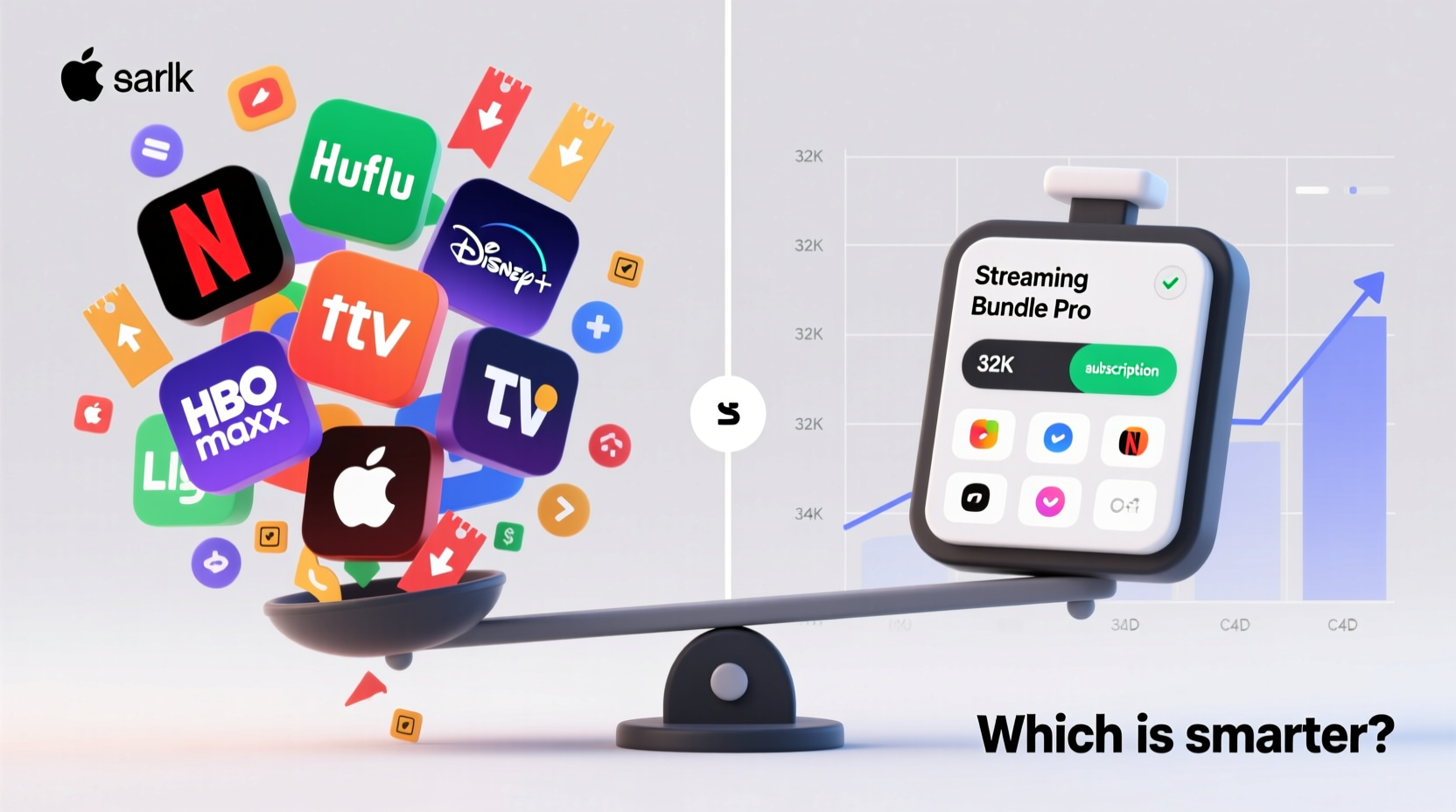
When Netflix pioneered the streaming revolution, it offered nearly everything in one place. Today, the landscape is fractured. Studios have pulled their content from shared platforms to launch proprietary services. Marvel moved from Netflix to Disney+. HBO shows shifted from Hulu to Max. Even sports and news are now siloed across different apps. As a result, viewers who want access to specific shows or live events often find themselves juggling five or more subscriptions.
This fragmentation has led to \"subscription fatigue\"—a growing frustration among users who feel they’re paying more than ever for less convenience. According to Parks Associates, the average U.S. household subscribes to four streaming services, spending around $87 per month. That’s nearly $1,050 annually—more than many people once paid for cable.
Breaking Down the Costs: Individual Subscriptions vs. Bundles
To determine which model saves more, let’s compare real-world pricing. Below is a breakdown of popular standalone services and common bundles as of 2024.
| Service | Monthly Cost (Ad-Supported) | Monthly Cost (Ad-Free) |
|---|---|---|
| Netflix | $6.99 | $15.49 |
| Hulu | $7.99 | $14.99 |
| Disney+ | $7.99 | $13.99 |
| Max | $9.99 | $15.99 |
| Apple TV+ | $6.99 | $6.99 |
| Paramount+ | $5.99 | $11.99 |
If you subscribed to all six ad-free plans, your monthly cost would be $79.44. But many households don’t need every service at full price. Enter the bundle.
Popular Streaming Bundles
- Disney Bundle (Disney+, Hulu, ESPN+): $14.99/month (ad-supported) or $24.99/month (ad-free Disney+ & Hulu, live ESPN+)
- Hulu + Live TV with Disney+ and ESPN+: $89.99/month
- Amazon Prime Video + Paramount+ (with ads): Included in select Prime memberships or $8.99/month add-on
- Apple One (including Apple TV+, Music, iCloud): $19.95/month (Individual), $29.95 (Family)
The Disney Bundle offers the clearest savings. Individually, the three services would cost $28.97/month (ad-supported). Together, they cost $14.99—a 48% discount. For families or fans of Marvel, Star Wars, or live sports, this is an undeniable value.
“Bundling works best when the included services align with your actual viewing habits. Paying for ESPN+ when you never watch sports is just disguised waste.” — Dana White, Media Economist, Harvard Kennedy School
When Multiple Subscriptions Make Sense
Bundles aren’t always the smarter option. Some viewers benefit more from picking and choosing individual services. Here’s when going à la carte pays off:
- You watch niche content. If you’re passionate about British dramas, BritBox might be worth $8/month. But adding it to a bundle that doesn’t include it defeats the purpose.
- You already have a primary platform. If you’re an Apple user with Apple TV+, you may not need HBO content on Max unless a specific show demands it.
- You rotate subscriptions monthly. Savvy streamers use short-term sign-ups for specific seasons (e.g., signing up for Max to watch the final season of a show, then canceling).
- You share accounts. Services like Netflix and Hulu allow multiple profiles. Splitting costs with family or friends can make high-tier plans affordable without bundling.
Consider Sarah, a 32-year-old teacher in Portland. She watches *The Crown* on Netflix, *The Bear* on Hulu, and *Andor* on Disney+. She uses Netflix’s premium plan ($15.49) for 4K, Hulu’s ad-supported tier ($7.99), and Disney+’s ad-supported plan ($7.99). Her total: $31.47/month. If she added Max for $9.99, she’d pay $41.46—still less than the Disney Bundle plus Netflix alone. For her, individual subscriptions offer better flexibility and lower overall cost.
Mini Case Study: The Johnson Family
The Johnsons—two parents and two teens—used to pay $120/month for cable. They switched to streaming but initially signed up for Netflix, Hulu, Max, Disney+, and YouTube TV. Their bill hit $95/month. After reviewing usage data, they realized no one watched Max regularly, and YouTube TV was redundant since they rarely viewed live TV.
They switched to the Disney Bundle (ad-free version at $24.99), kept Netflix at $15.49, and added Hulu’s ad-supported plan at $7.99. Total: $48.47/month—nearly half their original cost. They also downloaded shows for road trips and set parental controls. By consolidating into strategic subscriptions and one smart bundle, they saved over $550 annually.
Advantages and Drawbacks: A Balanced View
Both models come with trade-offs. Understanding these helps avoid buyer’s remorse.
Pros and Cons of Multiple Individual Subscriptions
| Pros | Cons |
|---|---|
| Full control over which services you pay for | Higher cumulative cost if not managed |
| Ability to cancel anytime without losing other services | More login credentials and app switching |
| Access to exclusive content across platforms | Risk of forgetting inactive subscriptions |
| Easier to share costs via account sharing | No bundled discounts |
Pros and Cons of Bundles
| Pros | Cons |
|---|---|
| Lower combined price than buying separately | May include services you don’t use |
| Fewer billing cycles and reminders | Less flexibility to cancel one service |
| Simplified login and navigation (in some cases) | Occasional forced upgrades (e.g., Disney+ adding ads to legacy plans) |
| Better for families with diverse viewing needs | Limited international availability |
Smart Strategies to Optimize Your Streaming Spend
Whether you prefer bundles or individual services, these steps will help you get the most value without overspending.
Step-by-Step Guide: Streamline Your Subscriptions
- Track your viewing for 30 days. Note which platforms you actually use and how often.
- List every active subscription. Include free trials—they often auto-renew.
- Compare bundle options. Check if combinations like Disney Bundle or Apple One cover your needs.
- Cancel underused services. Do it before the next billing cycle.
- Rotate for events. Re-subscribe temporarily for award-season shows or live sports.
- Use ad-supported tiers when possible. Many services offer significant savings with minimal interruption.
- Share accounts responsibly. Split costs with trusted family or roommates.
Checklist: Is a Bundle Right for You?
- ✅ Do you regularly use at least two of the services in the bundle?
- ✅ Is the bundle priced at least 25% below the total of individual plans?
- ✅ Are you likely to keep using these services long-term?
- ✅ Does the bundle include features you value (e.g., live TV, downloads, multiple profiles)?
- ✅ Can you easily manage login and parental settings across devices?
If you answered “yes” to most of these, a bundle is likely the smarter move.
FAQ
Can I mix bundles and individual subscriptions?
Absolutely. Many households do. For example, you might take the Disney Bundle for family content and keep Netflix for originals. Just ensure the total cost stays within your budget.
Are ad-supported plans worth it?
For most users, yes. Ads typically add 5–7 minutes per hour, but savings range from $5–$9 per month. Over a year, that’s $60–$100 back in your pocket. If you’re binge-watching, the trade-off is often worthwhile.
What happens if a bundle changes its terms?
Streaming companies frequently adjust pricing and features. The Disney Bundle, for instance, introduced ads to its previously ad-free tier in 2023. Stay informed by checking official announcements and setting calendar alerts for renewal dates.
Conclusion: Value Over Volume
The question isn’t whether multiple subscriptions or bundles are inherently better—it’s about alignment with your lifestyle. Mindlessly stacking services leads to waste. Blindly accepting a bundle that includes unused platforms does the same. The smartest approach is intentional consumption: know what you watch, understand what you pay for, and adjust regularly.
Streaming should enhance your life, not burden your budget. Whether you go solo with three carefully chosen services or embrace a well-matched bundle, the goal is the same—maximum enjoyment at minimum cost. Audit your habits, apply the strategies above, and make your entertainment work for you.




 浙公网安备
33010002000092号
浙公网安备
33010002000092号 浙B2-20120091-4
Comments
No comments yet. Why don't you start the discussion?