
In an era dominated by foldable screens and 5G connectivity, revisiting smartphones from 2013 might seem like digital archaeology. Yet, some users—particularly those on tight budgets, collectors of vintage tech, or travelers needing backup devices—still ask: Is the Motorola Droid Maxx still a better buy than the Apple iPhone 5s? The surprising answer is yes, under specific circumstances. While both devices are obsolete by modern standards, their design philosophies, hardware choices, and long-term usability tell a story that’s still relevant today.
Battery Life: A Defining Difference
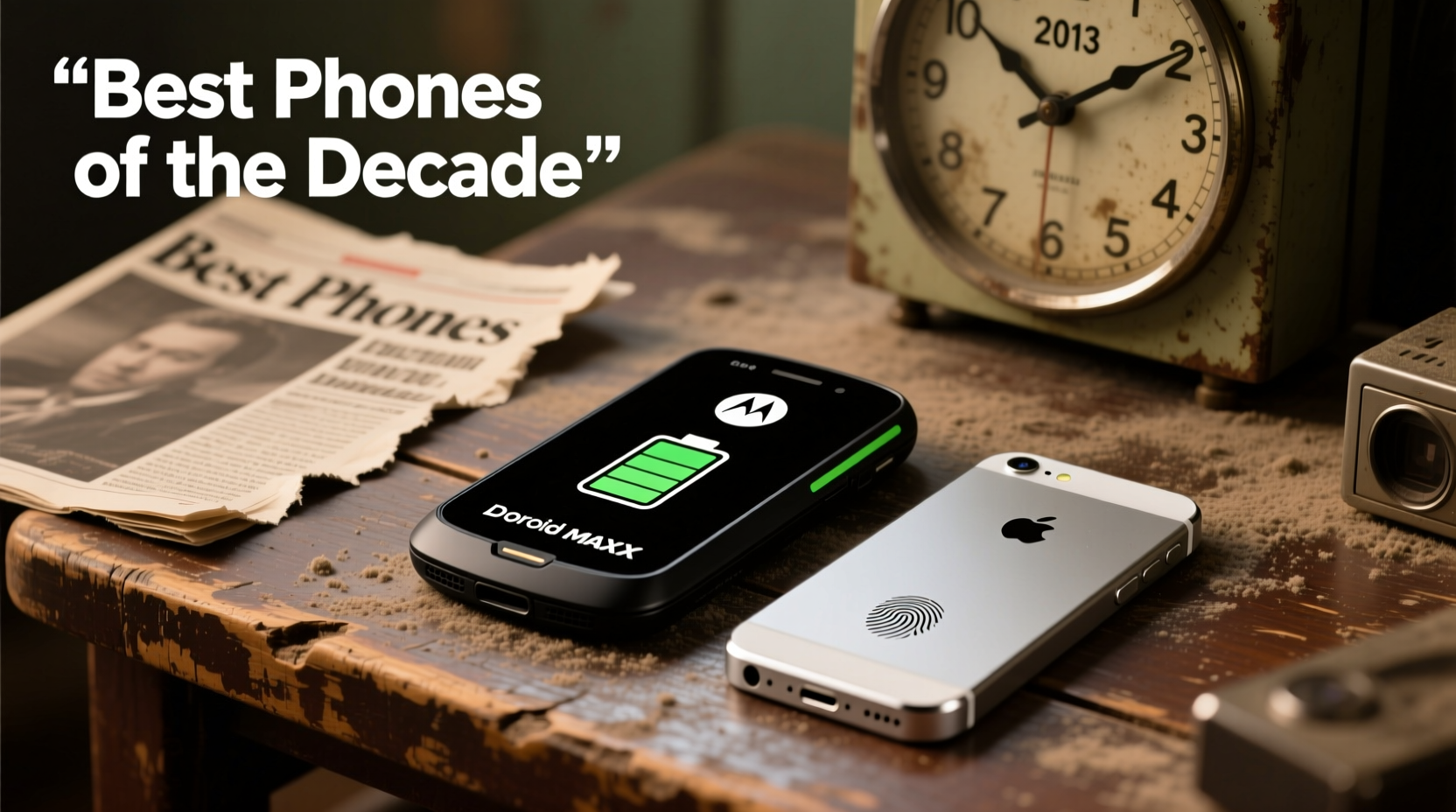
The most striking advantage the Droid Maxx holds over the iPhone 5s is its battery capacity. Released in July 2013, the Droid Maxx came with a massive (for its time) 3500mAh battery. Motorola paired this with its proprietary “MAXX” software optimizations, which included aggressive background process management and efficient display tuning. In real-world use, this translated to up to 48 hours of moderate usage—a feat few smartphones could match even five years later.
In contrast, the iPhone 5s shipped with a 1560mAh battery. While iOS 7 was optimized for efficiency, the smaller battery and less aggressive power-saving features meant most users needed to charge daily, sometimes twice. For someone using either phone in 2024 as a secondary device or emergency handset, battery longevity remains a decisive factor.
Hardware Comparison: Android Flexibility vs. iOS Longevity
Under the hood, the iPhone 5s had a clear edge in processing power thanks to Apple’s A7 chip—the first 64-bit processor in a smartphone. This architectural leap gave the 5s smoother performance in apps and games, and it remained surprisingly functional for basic tasks well into the late 2010s.
The Droid Maxx, meanwhile, ran on a dual-core 2.2GHz TI OMAP processor with 2GB of RAM. On paper, this looks weaker. However, Motorola’s near-stock Android 4.4 (KitKat) interface was lightweight, reducing lag despite modest specs. What the Maxx lacked in raw speed, it made up for in customization, expandable storage via microSD, and greater file system access—features iOS has never offered.
| Feature | Droid Maxx | iPhone 5s |
|---|---|---|
| Release Year | 2013 | 2013 |
| Operating System | Android 4.4 (upgradable unofficially) | iOS 7–12 (final update: 2019) |
| Battery Capacity | 3500 mAh | 1560 mAh |
| Storage Options | 16GB + microSD support | 16/32/64GB (no expansion) |
| Processor | Dual-core 2.2GHz OMAP | Apple A7 (64-bit) |
| Camera | 10MP rear, LED flash | 8MP rear, True Tone flash |
| Expandable Storage | Yes (microSD) | No |
Software Support and Security: The iPhone's Edge
Where the iPhone 5s pulls ahead decisively is in software updates and ecosystem longevity. Apple supported the 5s with iOS updates until 2019—six full years of security patches and feature improvements. Even today, many apps still run on iOS 12, the last version compatible with the 5s.
The Droid Maxx, however, received only one major OS upgrade (to Android 5.0 Lollipop) before being abandoned by Motorola. Without official security patches since 2015, the Maxx is vulnerable to modern threats if connected to unsecured networks. That said, in offline or airplane mode—such as for music playback or note-taking—it remains perfectly safe to use.
“Even outdated, the iPhone 5s benefits from Apple’s commitment to long-term software support. It’s a rare case where age doesn’t immediately mean insecurity.” — David Lin, Mobile Security Analyst at TechShield Insights
Real-World Use Case: Emergency Phone in 2024
Consider Maria, a hiking guide in Colorado who keeps a Droid Maxx in her backpack. She uses it solely for GPS navigation and emergency calls. Because she disables Wi-Fi and data, relies on pre-downloaded maps, and charges it once every three days, the Maxx functions flawlessly. Its large battery ensures she won’t lose communication in remote areas. She chose it over a used iPhone 5s because of the longer uptime and microSD slot, which lets her store hundreds of trail maps without sacrificing space for apps.
This scenario highlights how context defines value. For continuous internet use, messaging, or app compatibility, the 5s wins. But for utility-focused, low-connectivity roles, the Maxx’s strengths shine.
Step-by-Step: Getting the Most Out of Either Device Today
If you’re considering picking up either phone secondhand, follow this timeline to maximize usability:
- Inspect physical condition: Check for swollen batteries, cracked screens, or water damage. Replace the battery if possible—both models suffer from degraded cells after a decade.
- Factory reset: Erase all previous user data. For the 5s, sign out of iCloud first (ask seller for credentials). For the Maxx, boot into recovery mode and wipe data/cache.
- Limit connectivity: Disable Bluetooth, Wi-Fi, and mobile data when not in use to reduce security risks and extend battery life.
- Install essential offline apps: Use APKMirror to sideload offline versions of Google Maps, Signal (offline messaging), and Kindle. Avoid logging into sensitive accounts.
- Use as a dedicated tool: Assign one purpose—alarm clock, music player, camera—and avoid treating it as a daily driver.
Checklist: Is Buying One of These Phones Right for You?
- ✅ Need a cheap backup phone for emergencies
- ✅ Want a distraction-free device for travel or outdoor use
- ✅ Planning to use it offline (music, notes, camera)
- ✅ Can accept limited app compatibility and no security updates
- ❌ Don’t expect reliable WhatsApp, Instagram, or Google services
- ❌ Avoid if you need LTE bands common in 2024 (both phones lack VoLTE in many regions)
Frequently Asked Questions
Can the iPhone 5s still get security updates?
No. Apple ended all support for the iPhone 5s in 2019. It runs iOS 12, the final compatible version, but receives no further patches. Using it online poses moderate risk.
Why does the Droid Maxx have better battery life than modern phones?
It doesn’t necessarily have better technology—but its combination of a large battery and minimal background activity allows extended use. Modern phones sacrifice battery endurance for faster processors and constant cloud syncing.
Is either phone usable for WhatsApp in 2024?
Likely not. WhatsApp dropped support for devices running Android 4.4 and earlier in 2020. The Droid Maxx cannot officially run newer Android versions. The iPhone 5s can run iOS 12, but WhatsApp requires iOS 12.5.7 or higher, which the 5s doesn’t support.
Final Verdict: Context Is Everything
The Droid Maxx isn’t universally better than the iPhone 5s—but for certain needs, it’s still the smarter choice. If your priority is battery life, expandable storage, and offline functionality, the Maxx delivers unmatched endurance for a 2013 device. It’s ideal for travelers, hikers, or anyone wanting a simple, durable tool.
The iPhone 5s, while more secure during its lifespan and smoother in daily use, suffers from shorter battery life and rigid storage limits. Its legacy lies in setting the foundation for modern iOS, not practical usability today.
Ultimately, choosing between them isn’t about brand loyalty or nostalgia. It’s about matching the device to your actual use case. And in scenarios where uptime and flexibility matter more than app compatibility, the Droid Maxx proves that thoughtful engineering can outlast even the most advanced silicon.




 浙公网安备
33010002000092号
浙公网安备
33010002000092号 浙B2-20120091-4
Comments
No comments yet. Why don't you start the discussion?