
A windbreaker is more than just a lightweight layer—it’s a functional piece of outerwear designed to protect you from wind, light rain, and sudden temperature drops. But even the most advanced fabric technology won’t help if the jacket doesn’t fit right. Too tight, and it restricts movement; too loose, and it flaps in the breeze like a sail. The ideal fit balances comfort, mobility, and weather protection. Whether you're hiking a mountain trail, commuting through the city, or traveling across time zones, a well-fitted windbreaker enhances both performance and confidence.
Understanding Windbreaker Fit: Why It Matters
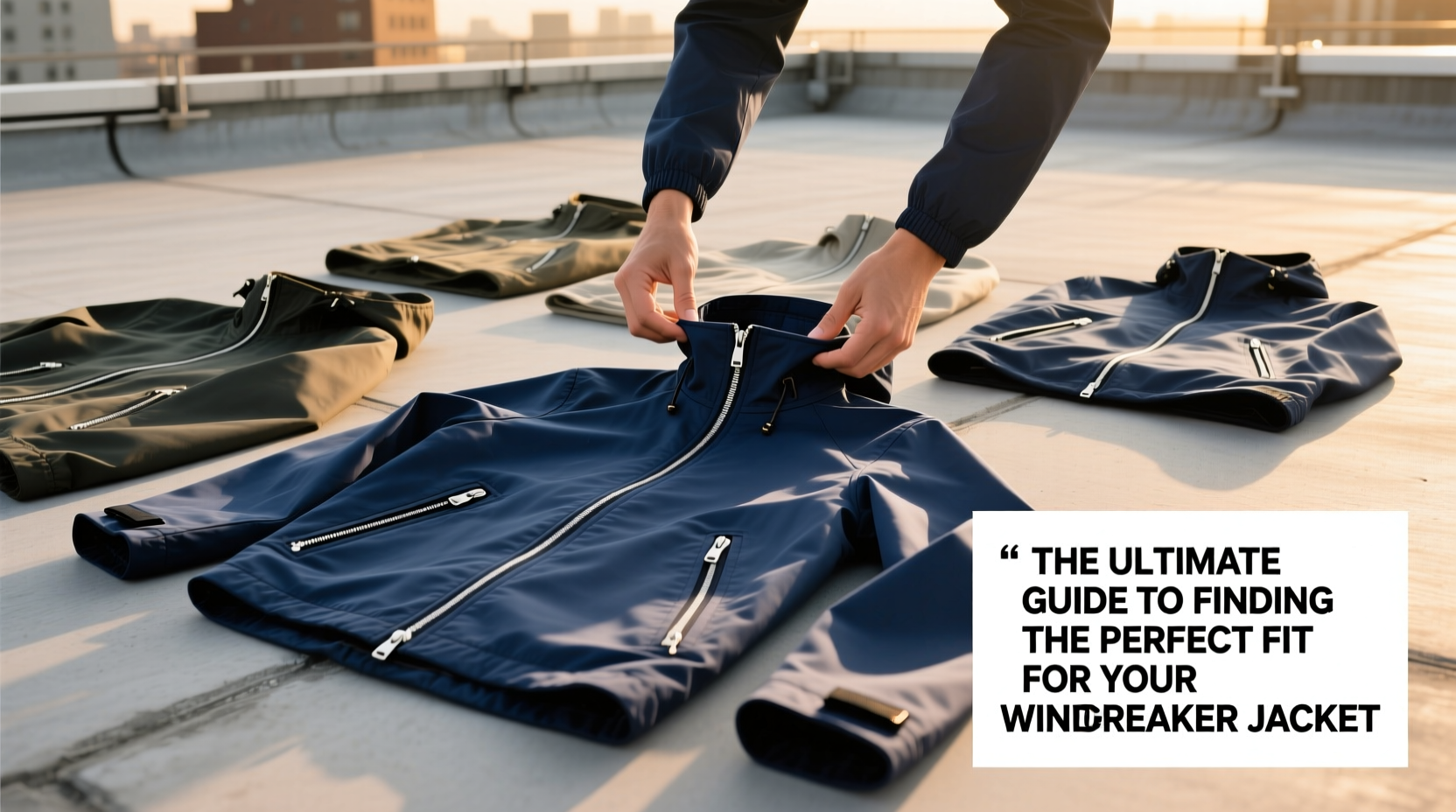
The fit of a windbreaker influences not only how you look but also how effectively the jacket performs. Unlike heavier coats, windbreakers are built for breathability and packability, which means they rely heavily on precise tailoring. A proper fit ensures that airflow is managed efficiently—keeping wind out while allowing moisture to escape. Poorly fitted jackets can create pressure points, trap heat, or allow cold air to infiltrate through gaps at the collar or cuffs.
Fabric stretch, seam placement, and cut all play roles in determining how a jacket moves with your body. For instance, athletic cuts follow the natural contours of an active frame, while relaxed fits offer room for layering. Knowing your body type and intended use helps narrow down options before trying anything on.
Key Measurements for the Ideal Windbreaker Fit
To evaluate fit accurately, focus on these five critical areas:
- Chest: The jacket should lie flat without pulling across the buttons or zippers. There should be about 1–2 inches of ease when fastened.
- Shoulders: Seams should align with the edge of your shoulders. If they extend past, the jacket is too large; if they dig in, it's too small.
- Sleeves: Length should reach the base of your thumb when arms are relaxed. You should be able to raise your arms without feeling tension at the shoulders.
- Waist and Hem: The bottom hem should sit at or just below the hip. It shouldn’t ride up excessively during movement, nor should it hang too low and restrict motion.
- Neckline: The collar should close comfortably without choking or gaping open when zipped.
Manufacturers often provide size charts, but these vary widely between brands. Measuring your current best-fitting jacket and comparing those numbers to product specs can yield better results than relying solely on labeled sizes.
Do’s and Don’ts When Assessing Fit
| Do | Don't |
|---|---|
| Move around in the store—raise your arms, twist your torso, mimic walking strides | Assume your usual size will fit the same across different brands |
| Check sleeve articulation—many performance jackets have pre-bent elbows | Ignore how the jacket feels when layered (e.g., over a hoodie) |
| Ensure there's no excess fabric bunching under the arms or back | Buy a larger size “to grow into” or for extra layering room unless specifically designed for it |
| Test the hood with and without a hat to see coverage and field of vision | Overlook adjustable features like drawcords or Velcro cuffs that can fine-tune fit |
Step-by-Step Guide to Finding Your Perfect Windbreaker Fit
Follow this practical sequence to ensure you leave with the right jacket:
- Determine Your Use Case: Will you wear it primarily for running, urban commuting, or outdoor adventures? High-motion activities demand greater flexibility and ergonomic design.
- Measure Yourself: Use a soft tape measure to record chest, waist, sleeve length, and shoulder width. Compare these to brand-specific charts.
- Select the Right Cut: Choose from slim, regular, or relaxed based on your build and layering needs. Slim fits suit minimalist styles; relaxed cuts accommodate thicker layers.
- Try It On With Layers: Wear typical underlayers (e.g., a fleece or long-sleeve shirt) when testing the fit.
- Test Mobility: Perform dynamic movements: reach overhead, bend forward, simulate pedaling or jogging motions. Pay attention to where the fabric pulls or binds.
- Evaluate Ventilation and Adjustability: Check pit zips, mesh linings, and adjustable hems or cuffs. These enhance comfort during activity.
- Walk Away and Return: Sit down, walk around for 5–10 minutes, then reassess. Discomfort may not appear immediately.
“Fit isn’t just about measurements—it’s about movement. A jacket that looks good standing still might fail during actual use.” — Lena Torres, Outdoor Apparel Designer at Alpine Threads
Real-World Example: Alex’s Commute Upgrade
Alex, a cyclist in Seattle, bought a sleek windbreaker online based on positive reviews. On paper, his size matched the chart perfectly. But once he started riding, the sleeves rode up, and the back lifted off his hips, letting cold air rush in. He returned it and visited a specialty outdoor store. This time, he brought his helmet and thermal jersey. After trying three models, he chose one with articulated sleeves and a longer hem. The difference was immediate: streamlined airflow, no flapping, and full range of motion. His second choice cost slightly more but lasted four seasons thanks to its durable fit and materials.
This scenario highlights why real-time testing matters. Online shopping offers convenience, but tactile feedback and movement tests are irreplaceable when judging fit.
Expert Tips for Long-Term Comfort and Performance
- Prioritize Adjustable Features: Jackets with elastic hems, adjustable hoods, and bungee cords allow micro-adjustments as weather changes.
- Consider Packability: Some windbreakers compress into their own pocket. Make sure the packed size fits your bag or cargo pocket.
- Wash and Reassess: After the first wash, retest the fit. Some fabrics shrink slightly or lose elasticity over time.
- Know the Brand’s Sizing Tendencies: European brands often run smaller than American ones. Japanese cuts favor slimmer silhouettes.
Frequently Asked Questions
How do I know if my windbreaker is too big?
If the shoulders droop, the sleeves extend beyond your wrists when arms are down, or the hem flaps noticeably in the wind, the jacket is likely too large. Excess fabric also increases wind resistance and reduces aerodynamic efficiency.
Can I size up to accommodate layers?
You can—but only if the jacket is designed for layering. Look for terms like “regular fit,” “room for mid-layers,” or “compatible with insulation.” Avoid oversized fits unless you’re planning heavy layering, as excessive volume traps air and diminishes breathability.
Should a windbreaker be tight or loose?
Neither extreme works best. Aim for a semi-athletic fit: snug enough to minimize wind entry but loose enough to allow unrestricted movement and ventilation. Think of it as a second skin—not constricting, not billowing.
Final Checklist Before Purchase
- ✅ Tried on with intended underlayers
- ✅ Tested arm raises, torso twists, and simulated activity
- ✅ Checked alignment of shoulder seams and sleeve length
- ✅ Verified hood coverage with and without headwear
- ✅ Confirmed adjustability of cuffs, hem, and collar
- ✅ Ensured no fabric binding under arms or across back
- ✅ Confirmed return policy in case fit isn’t perfect after field testing
Conclusion
Finding the perfect windbreaker fit isn’t about chasing trends or brand names—it’s about precision, purpose, and personal comfort. A well-fitted jacket becomes an extension of your body, moving with you rather than against you. By focusing on key measurements, testing mobility, and understanding your lifestyle needs, you can select a windbreaker that performs reliably year after year. Don’t settle for “close enough.” Invest the time to get it right, and you’ll enjoy better protection, improved comfort, and greater confidence every time you step outside.




 浙公网安备
33010002000092号
浙公网安备
33010002000092号 浙B2-20120091-4
Comments
No comments yet. Why don't you start the discussion?