
For millions of iPhone 11 owners, the decision to switch platforms isn’t taken lightly. The iPhone 11 was a landmark device—reliable, well-built, and still capable in 2024. But as newer Android phones like the Google Pixel 7a offer compelling features at competitive prices, many are asking: is it time to make the leap?
The answer depends on what you value most: ecosystem loyalty, camera quality, long-term software support, or raw value. Let’s break down the real differences between the iPhone 11 and the Pixel 7a—not just on paper, but in daily use.
Performance and Software Experience
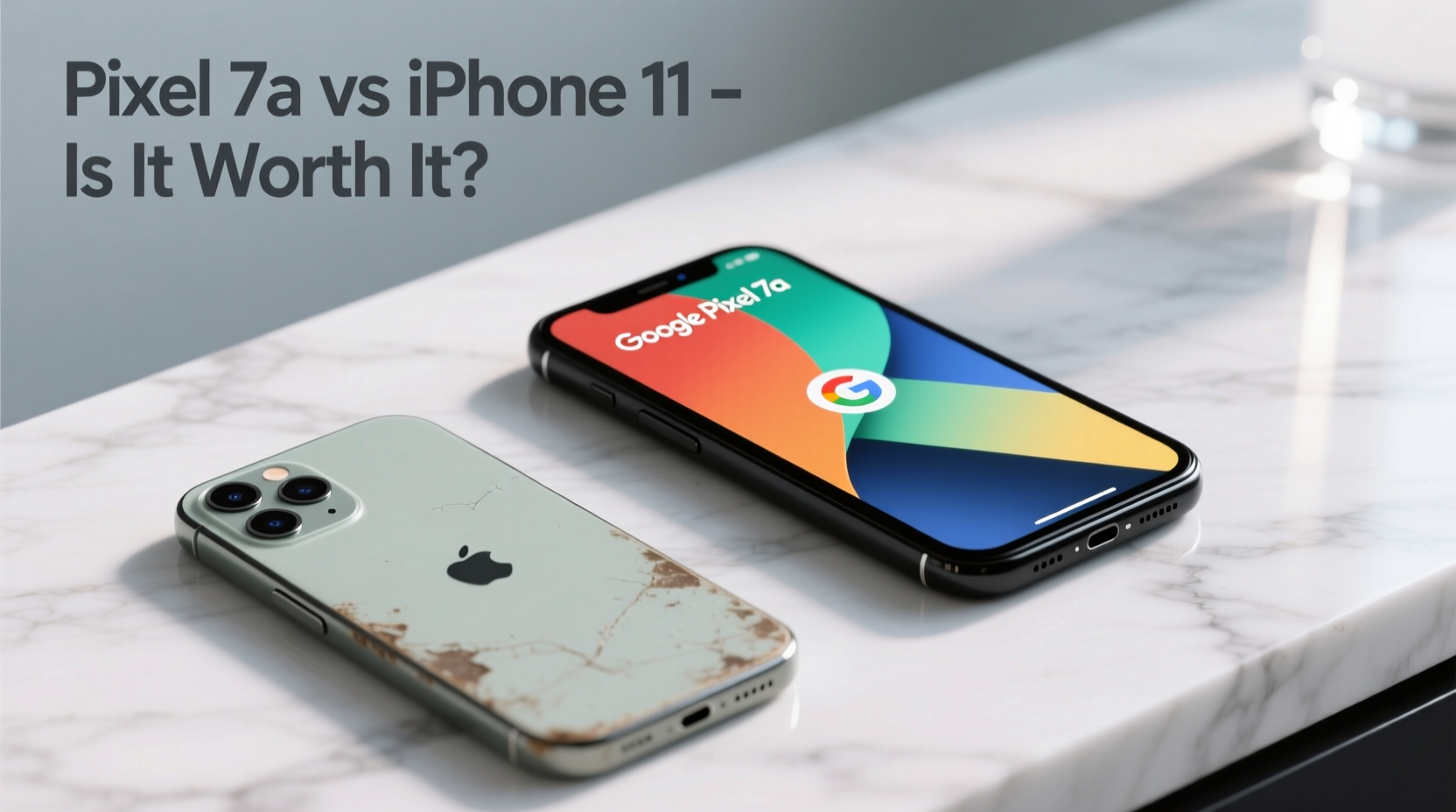
The iPhone 11 runs Apple’s A13 Bionic chip, which remains impressively capable. Even in 2024, it handles everyday tasks with ease—messaging, browsing, social media, and even moderate gaming. iOS updates continue to roll out, ensuring security and compatibility through at least 2025.
In contrast, the Pixel 7a uses Google’s Tensor G2 chip. While not quite matching the A13 in pure CPU benchmarks, the Tensor delivers smoother multitasking, better AI processing, and native integration with Google’s ecosystem. More importantly, the Pixel ships with Android 13 (upgradable to Android 15 and likely beyond), offering five years of OS and security updates—a major advantage over the iPhone 11, which will eventually lose support.
Where the Pixel truly shines is in its software experience. Features like Call Screen, Live Translate, Magic Eraser, and direct Google Assistant integration provide tangible utility that iOS still lacks. If you rely heavily on Google services—Gmail, Maps, Photos, Drive—the Pixel 7a feels like a natural extension of your digital life.
Camera Comparison: Real-World Results
The iPhone 11’s dual-camera system (12MP wide and ultra-wide) delivers consistent, natural-looking photos. Its color science and dynamic range remain impressive, especially in daylight. However, low-light performance lags behind modern flagships, and Night Mode is limited compared to current standards.
The Pixel 7a, despite being mid-range priced, punches above its weight. Its 64MP main sensor captures more detail, and Google’s computational photography—HDR+, Night Sight, Super Res Zoom—produces sharper, more vibrant images in challenging lighting. The front-facing 13MP camera also outperforms the iPhone 11’s 12MP selfie shooter, particularly in dim environments.
One standout feature: the Pixel’s ability to record 4K/60fps video with stereo audio and cinematic pans, while the iPhone 11 maxes out at 4K/30fps. For content creators or anyone who values high-quality video, this is a meaningful upgrade.
“Google’s machine learning-driven photo processing sets a new standard for consistency across lighting conditions.” — David Imel, Mobile Photography Analyst, The Verge
Value and Longevity: What You’re Paying For
The iPhone 11 launched at $699. Today, used models go for $200–$250, making it one of the best budget iPhones ever. But age brings trade-offs: battery degradation, slower charging (no fast charging without a separate adapter), and no wireless charging convenience beyond basic Qi.
The Pixel 7a retails at $499—a $250 premium over a used iPhone 11, but justified by several key upgrades:
- 90Hz OLED display (vs. iPhone 11’s 60Hz LCD)
- Faster charging (18W wired, 7.5W wireless)
- Better water resistance (IP67 vs. IP68—slightly less, but still solid)
- Under-display fingerprint sensor (vs. Face ID, which some find less reliable with masks)
- Active software support until at least 2028
Considering long-term ownership, the Pixel 7a offers better future-proofing. It’s designed to stay relevant for four to five years, whereas the iPhone 11 is already on borrowed time in terms of app optimization and performance headroom.
Switching Ecosystems: Practical Challenges
Leaving iOS isn’t just about hardware—it’s about ecosystem lock-in. If you own AirPods, an Apple Watch, or use iMessage and FaceTime extensively, switching introduces friction. iMessage’s green bubbles are more than a meme; they represent lost features like read receipts, typing indicators, and end-to-end encryption between Apple devices.
However, Google has made strides in easing the transition. The “Move to Android” app helps transfer messages, photos, contacts, and calendars directly from iPhone to Pixel. Bluetooth pairing with AirPods works well, though without seamless auto-switching or battery level display. And third-party apps like WhatsApp and Telegram ensure messaging continuity.
Still, the lack of a true smartwatch companion (Pixel Watch 2 is improving but not yet on par with Apple Watch) may be a dealbreaker for fitness enthusiasts or health trackers.
Checklist: Are You Ready to Switch?
- ✅ Back up your iPhone data to iCloud
- ✅ Download Google’s “Move to Android” app
- ✅ Transfer or export important messages and notes
- ✅ Check compatibility of your accessories (AirPods, chargers, cases)
- ✅ Set up two-factor authentication on your Google account
- ✅ Disable iMessage and FaceTime on your old device after transfer
Real-World Example: Sarah’s Switch
Sarah had used her iPhone 11 since 2019. By 2023, she noticed slower app launches, shorter battery life, and frustration with slow photo editing in low light. She relied on Google Photos for backups and Gmail for work, but stayed with iPhone for iMessage and AirPods.
After testing a friend’s Pixel 7a, she was impressed by the near-instant photo processing, cleaner UI, and smoother scrolling. She decided to switch. Using the Move to Android app, she transferred everything in under 20 minutes. While she missed iMessage group threads initially, switching to WhatsApp solved most issues. Her AirPods worked fine, and she began using Google Messages with RCS for richer texting.
Nine months later, she says the Pixel 7a “feels faster, looks better, and takes photos I can actually use in dark restaurants.” For her, the switch was absolutely worth it.
Comparison Table: iPhone 11 vs. Pixel 7a
| Feature | iPhone 11 | Pixel 7a |
|---|---|---|
| Release Year | 2019 | 2023 |
| Display | 6.1\" LCD (60Hz) | 6.1\" OLED (90Hz) |
| Chipset | A13 Bionic | Google Tensor G2 |
| Rear Cameras | 12MP Wide + 12MP Ultra-Wide | 64MP Wide + 13MP Ultra-Wide |
| Video Recording | 4K @ 30fps | 4K @ 60fps |
| Software Support Until | ~2025 | 2028 |
| Charging | 18W wired (adapter sold separately), no wireless fast charging | 18W wired, 7.5W wireless |
| Biometric Unlock | Face ID | Under-display Fingerprint |
| Price (New) | $699 (discontinued) | $499 |
Frequently Asked Questions
Will my iPhone apps work on the Pixel 7a?
Most popular apps like Instagram, Spotify, Uber, and banking apps are available on both platforms. However, some iOS-exclusive tools (e.g., Apple Fitness+, certain iMessage integrations) won’t carry over. Always check the Google Play Store for Android equivalents.
Can I keep using my AirPods with the Pixel 7a?
Yes. AirPods pair via Bluetooth and work well for listening and calls. You’ll lose some conveniences like automatic switching between Apple devices and precise battery status, but core functionality remains intact.
Is the Pixel 7a durable enough for daily use?
The Pixel 7a has an IP67 rating, meaning it can survive submersion in 1 meter of water for 30 minutes. It’s built with Gorilla Glass 3 and an aluminum frame—solid for a mid-tier phone. With a case and screen protector, it holds up well in real-world use.
Final Verdict: Should You Make the Switch?
If you’re still satisfied with your iPhone 11 and don’t need better cameras, faster performance, or modern display tech, there’s no urgent reason to leave. But if you’ve noticed slowdowns, poor low-light photos, or desire longer software support, the Pixel 7a presents a compelling upgrade.
It’s not just about specs—it’s about getting a fresher, more future-ready device that integrates deeply with services you likely already use. For Google-centric users, Android enthusiasts, or those tired of paying for diminishing returns on older hardware, the Pixel 7a isn’t just worth considering. It’s worth embracing.




 浙公网安备
33010002000092号
浙公网安备
33010002000092号 浙B2-20120091-4
Comments
No comments yet. Why don't you start the discussion?