
Waking up with a coated tongue and less-than-fresh breath is a common experience. While many reach straight for toothpaste, there’s a simple, centuries-old practice that’s gaining modern recognition: tongue scraping. More than just a tool for fresher breath, tongue scraping has evolved from Ayurvedic tradition into a scientifically supported habit that can elevate your entire morning routine. When integrated thoughtfully, it supports oral hygiene, digestive readiness, and even mental clarity at the start of the day.
The mouth is a gateway—both to nutrition and to systemic health. Bacteria accumulate overnight, especially on the uneven surface of the tongue, where they form biofilms contributing to halitosis, plaque buildup, and even gum disease. While brushing and flossing are essential, they often miss this critical zone. That’s where tongue scraping steps in—not as a replacement, but as a strategic complement to your existing regimen.
The Science Behind Tongue Coating and Oral Bacteria
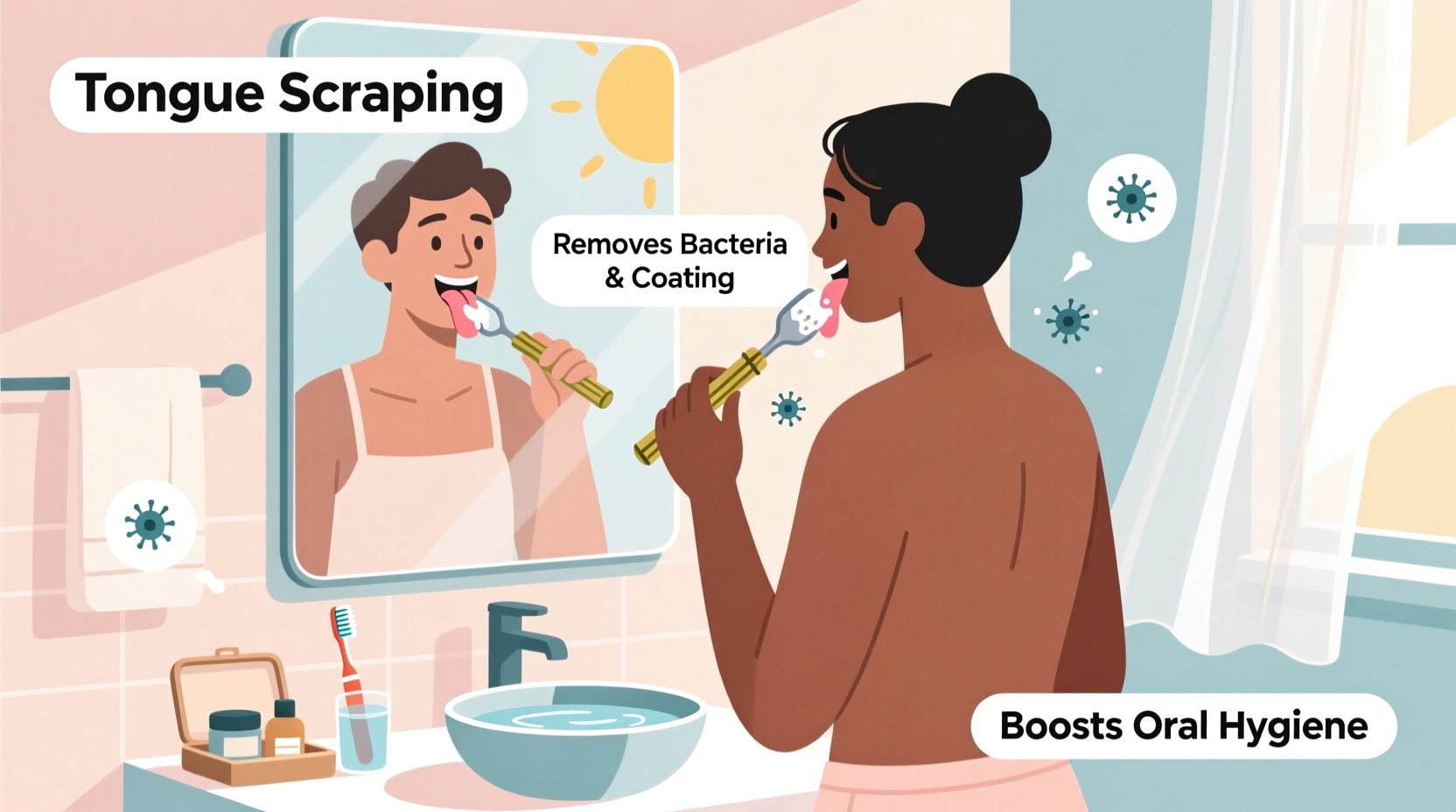
During sleep, saliva production decreases significantly. This dry environment allows anaerobic bacteria—particularly species like Fusobacterium nucleatum and Veillonella—to proliferate across the dorsal surface of the tongue. These microbes metabolize proteins in food debris and dead cells, releasing volatile sulfur compounds (VSCs) responsible for morning breath.
Studies show that the tongue harbors up to 75% of the bacteria found in the mouth. A 2005 clinical trial published in the Journal of Periodontology demonstrated that daily tongue scraping reduced VSC levels by up to 75% over two weeks—significantly more than brushing alone. Unlike toothbrushes, which may push bacteria deeper into papillae, a tongue scraper physically removes the biofilm in one motion.
Beyond breath, emerging research links oral microbiome imbalance to broader health concerns, including cardiovascular inflammation and poor glycemic control. While tongue scraping won’t cure systemic conditions, maintaining a cleaner oral environment reduces bacterial load and supports overall microbial balance—an important preventive step.
How Tongue Scraping Fits Into a Holistic Morning Routine
An effective morning routine isn’t just about speed—it’s about intentionality. The goal is to transition the body and mind from rest to readiness. Tongue scraping serves as both a physical and psychological cue: a moment of self-care that grounds you before the day begins.
In Ayurveda, the practice—known as *jihwa nirlekhana*—is part of *dinacharya*, or daily ritual. It’s believed to stimulate internal organs, improve digestion by activating salivary glands, and clear toxins (*ama*) accumulated overnight. While not all traditional claims are clinically proven, the physiological effects align with modern understanding: mechanical cleaning reduces pathogen load, while the act itself promotes mindfulness.
When sequenced correctly, tongue scraping bridges oral hygiene and full-body awakening. Performed after waking but before hydration or eating, it ensures maximum removal of nocturnal buildup. Followed by warm water or herbal tea, it can gently kickstart digestive fire (*agni*), according to Ayurvedic principles—a concept mirrored in Western advice to avoid suppressing morning saliva flow with caffeine on an empty stomach.
Step-by-Step: Integrating Tongue Scraping Into Your Morning
- Rinse your mouth lightly upon waking to loosen debris.
- Hold the ends of a clean tongue scraper (preferably copper or stainless steel).
- Extend your tongue and place the scraper at the back, as far as comfortable.
- Gently pull forward in one stroke, removing residue.
- Rinse the scraper under running water.
- Repeat 3–7 times, focusing on coverage rather than pressure.
- Wash the scraper thoroughly and store in a dry area.
- Proceed to brush teeth with fluoride toothpaste.
- Follow with flossing and optional mouthwash.
This sequence takes less than two minutes but amplifies the effectiveness of every subsequent step. It also creates a sensory anchor—something tangible to return to when building consistency.
Choosing the Right Tool: Materials, Design, and Care
Not all tongue scrapers are created equal. The market offers a range of materials, each with pros and cons:
| Material | Benefits | Drawbacks |
|---|---|---|
| Copper | Naturally antimicrobial; durable; traditional choice | May tarnish; requires occasional polishing |
| Stainless Steel | Hygienic; easy to clean; long-lasting | Less traditional feel; no inherent antibacterial properties |
| Plastic | Affordable; widely available | Can harbor bacteria; prone to warping; less effective edge |
| Herbal-coated (rare) | May offer additional antimicrobial support | Limited availability; unclear longevity |
Dentists generally recommend rigid metal tools over soft plastic brushes, which tend to press bacteria into tissue rather than lift it away. Look for a U-shaped design that conforms to the tongue’s curvature and features a smooth, rounded edge to prevent micro-abrasions.
Expert Insight: What Dental Professionals Say
While tongue scraping hasn’t always been emphasized in Western dentistry, attitudes are shifting. Dr. Rishi Raj, a board-certified periodontist based in Portland, notes:
“Patients who incorporate tongue scraping report fewer issues with chronic bad breath and improved gum health over time. It’s low-effort, high-reward prevention. I now recommend it alongside flossing—especially for those with deep lingual fissures or a history of tonsil stones.” — Dr. Rishi Raj, DDS, MS
The American Dental Association (ADA) does not formally endorse specific tools, but acknowledges that “mechanical cleaning of the tongue can reduce bacteria and improve breath.” The key, according to ADA guidelines, is consistency and gentle technique to avoid damaging sensitive tissue.
Common Mistakes and How to Avoid Them
Even with the right tool, improper use can diminish benefits or cause harm. Common errors include:
- Scraping too hard: Can lead to irritation, bleeding, or desensitization of taste buds.
- Using a dull or damaged scraper: Reduces efficacy and increases risk of micro-tears.
- Skipping the back of the tongue: The posterior third hosts the most bacteria but is often avoided due to gag reflex.
- Infrequent cleaning of the tool: Allows recontamination with each use.
- Replacing scraping with brushing: Toothbrush bristles don’t remove biofilm as efficiently.
To minimize gagging, try breathing steadily through the nose and sticking the tongue out further—this retracts the soft palate slightly. Some users find success by starting at the mid-tongue and gradually moving backward over several days.
Mini Case Study: From Skeptic to Daily User
Mark T., a 38-year-old software developer from Austin, struggled with persistent morning breath despite brushing twice daily. His partner gently pointed it out, prompting embarrassment and frustration. After reading about tongue scraping, he purchased a stainless steel model and committed to two weeks of consistent use.
By day five, he noticed his morning taste was less bitter. By day ten, his partner commented on the difference without knowing he’d changed anything. After three weeks, Mark added the practice to his mindfulness routine, using the rhythmic strokes as a meditative prelude to journaling. “It’s become grounding,” he says. “I don’t skip it anymore—not because of my breath, but because it feels like a reset.”
Your Tongue Scraping Checklist
Ensure every session is effective and safe with this quick-reference checklist:
- ✅ Before You Start
- - Wash hands and clean the scraper
- - Stand in front of a mirror if needed
- - Exhale slowly to reduce gag reflex
- ✅ During Scraping
- - Apply gentle, even pressure
- - Cover the full width of the tongue
- - Rinse scraper between strokes
- ✅ After Completion
- - Brush teeth immediately after
- - Wash and dry the scraper
- - Store in a clean, dry place
Frequently Asked Questions
Can tongue scraping damage taste buds?
When done correctly—with light pressure and a smooth-edged tool—tongue scraping does not damage taste buds. In fact, removing coating can enhance taste sensitivity over time. Avoid serrated or jagged tools and never force the scraper.
How often should I replace my tongue scraper?
Metal scrapers (copper or stainless steel) last indefinitely with proper care. Replace if the edge becomes bent, pitted, or rough. Plastic models should be replaced every 1–3 months due to wear and bacterial retention.
Is tongue scraping necessary if I brush my tongue?
Brushing helps, but studies show scraping removes up to 30% more bacteria and VSCs. The flat edge of a scraper lifts off biofilm more effectively than bristles, which can disperse rather than eliminate microbes.
Conclusion: Elevate Your Mornings One Stroke at a Time
Tongue scraping is more than a hygiene hack—it’s a small act with outsized returns. It costs nothing beyond a few seconds each morning, yet it supports fresher breath, a cleaner mouth, and a more intentional start to the day. Supported by both ancient wisdom and modern science, it fits seamlessly into routines focused on wellness, prevention, and mindfulness.
If you’ve overlooked this step, now is the time to reconsider. Choose a quality scraper, learn the technique, and give it two weeks. Notice the subtle shifts: the absence of morning film, the ease of conversation before coffee, the quiet satisfaction of a complete cleanse. Once integrated, it’s unlikely you’ll go back.




 浙公网安备
33010002000092号
浙公网安备
33010002000092号 浙B2-20120091-4
Comments
No comments yet. Why don't you start the discussion?