
In the last decade, the way people interact with search engines has undergone a quiet but profound transformation. Typing keywords into Google used to be the default method of finding information—short phrases like “best coffee shops near me” or “iPhone battery life tips.” But today, millions speak those queries aloud instead. Voice search, powered by smart assistants like Google Assistant, Siri, and Alexa, is no longer a novelty. It’s an everyday habit for users on smartphones, smart speakers, and even cars. As this shift accelerates, it’s redefining not only how we ask questions but also how we expect answers—and how businesses must adapt their digital presence.
The Rise of Voice Search: A New Era of Query Behavior
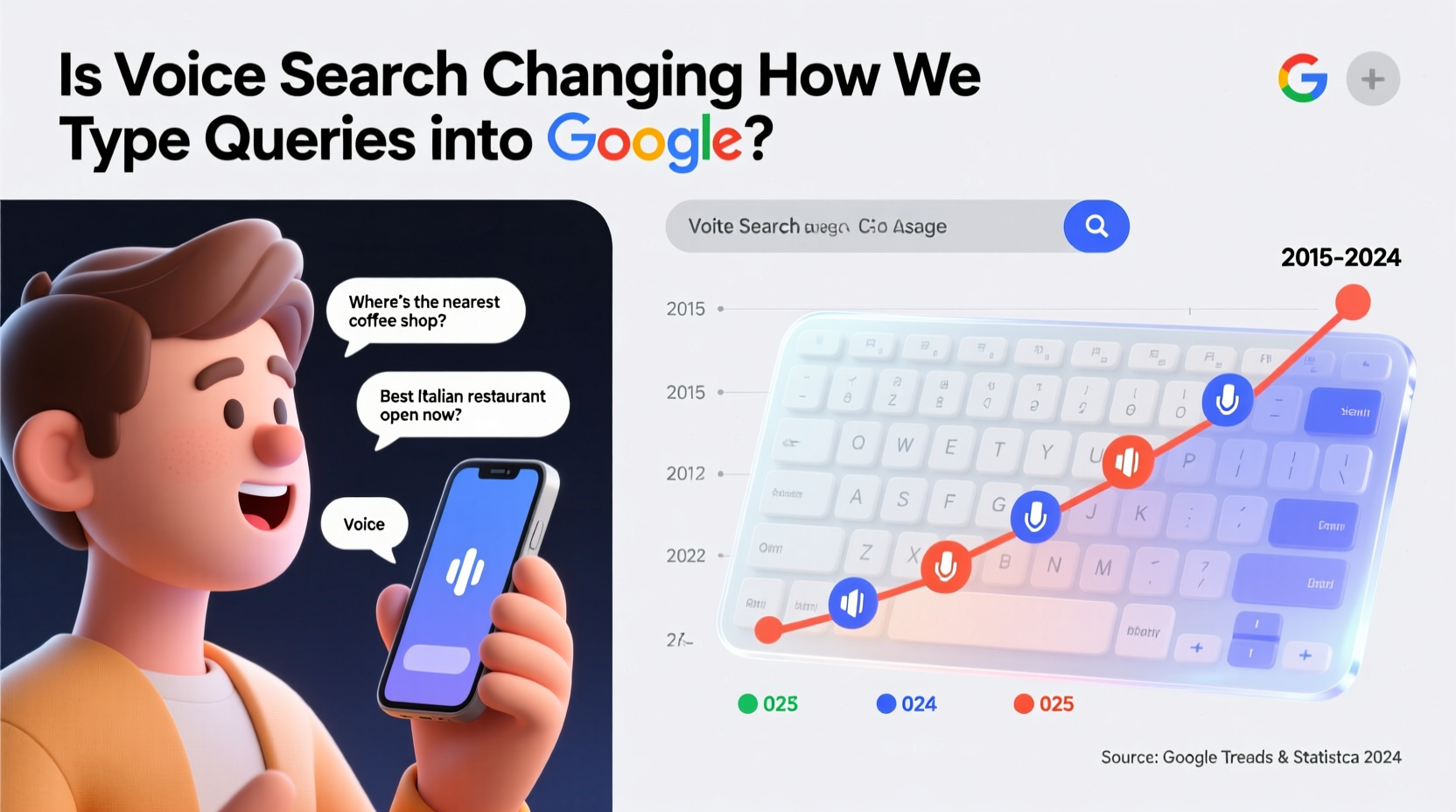
Voice search isn’t just about convenience; it represents a fundamental change in human-computer interaction. Instead of distilling thoughts into fragmented keyword strings, users now speak naturally. They ask full questions, use contractions, and rely on context. This evolution mirrors how we communicate with other people, not machines.
According to a 2023 report by PwC, over 70% of smartphone users engage with voice assistants at least once a week. Google reports that nearly 27% of global online searches are now conducted via voice. In homes equipped with smart speakers, that number climbs even higher—especially during multitasking moments like cooking, driving, or walking the dog.
This shift has significant implications. When someone types “weather NYC,” they’re using shorthand. But when they say, “Hey Google, what’s the weather like in New York City today?” the query becomes more specific, contextual, and conversational. Search engines now prioritize understanding intent over matching exact keywords.
“Voice search is not just a feature—it’s a behavioral shift. People aren’t typing anymore because they don’t have to.” — Dr. Lisa Chen, Human-Computer Interaction Researcher, MIT Media Lab
How Voice Queries Differ from Typed Ones
The mechanics of voice search lead to distinct patterns in user behavior. Understanding these differences is key for both users and content creators.
- Length and structure: Voice queries are typically longer and phrased as complete sentences. For example, “Where can I find vegan tacos in Austin?” versus the typed version “vegan tacos Austin.”
- Natural language use: Users employ everyday speech, including filler words and regional expressions. “Can you tell me if it’s going to rain tomorrow morning?” sounds more natural than “rain forecast tomorrow.”
- Location-based context: Mobile voice searches often include implicit location data. The phrase “Find a pharmacy open now” assumes the device knows where “now” is.
- Higher expectation for immediacy: Voice users expect quick, direct answers—often delivered in a single spoken sentence, known as a “position zero” or featured snippet.
Impact on SEO and Content Strategy
Search engine optimization (SEO) has always evolved with technology, but voice search demands a deeper level of adaptation. Traditional tactics like stuffing meta tags with keywords are becoming obsolete. Instead, success now depends on clarity, relevance, and conversational alignment.
Google’s algorithms have grown increasingly sophisticated at interpreting semantic meaning. With BERT and MUM updates, the system analyzes context, synonyms, and user intent far beyond literal matches. This means content must answer real questions in a natural tone.
For businesses and publishers, this translates into several strategic shifts:
- Target long-tail, question-based queries. Optimize for phrases like “how do I fix a leaky faucet?” rather than “plumbing repair.”
- Prioritize structured data. Use schema markup to help search engines identify FAQs, business hours, and product details—information frequently pulled for voice responses.
- Aim for featured snippets. Over 40% of voice search answers come from position zero results. Use clear headings, bullet points, and concise summaries to increase chances of being selected.
- Optimize for local search. “Near me” queries dominate voice usage. Ensure your Google Business Profile is updated with accurate address, phone number, and service descriptions.
| Typed Query Example | Voice Query Equivalent | Content Strategy Implication |
|---|---|---|
| dentist Chicago | “Who is the best dentist in Chicago for kids?” | Create detailed service pages with patient testimonials and pediatric focus. |
| coffee maker reviews | “What’s the best coffee maker under $100?” | Write comparison guides with pricing tiers and pros/cons. |
| car insurance quote | “Can I get cheap car insurance as a college student?” | Address niche demographics and affordability concerns directly. |
Real-World Impact: A Case Study
Consider the experience of GreenLeaf Organics, a small grocery delivery service based in Portland. In early 2022, their website traffic plateaued despite consistent blogging and social media efforts. After analyzing search performance, they discovered that while they ranked well for typed keywords like “organic produce delivery,” they were absent from voice search results.
Their content used technical terms and lacked natural phrasing. For instance, a blog titled “Sustainable Delivery Methods” didn’t match how people actually asked questions. So, they revised their approach:
- Rewrote headlines to mirror spoken questions: “How does organic food delivery work in Portland?”
- Added FAQ sections to product pages with schema markup.
- Created audio-friendly content summaries under 50 words for common queries.
Within six months, voice-driven visits increased by 63%, and overall organic traffic rose by 41%. More importantly, conversions from mobile voice users were 28% higher than average—likely due to stronger intent and immediacy.
“We stopped thinking about keywords and started thinking about conversations. That’s when everything changed.” — Maya Tran, Digital Marketing Lead, GreenLeaf Organics
Do’s and Don’ts of Voice-Optimized Content
To stay competitive in a voice-first landscape, avoid outdated practices and embrace new standards.
| Do | Don't |
|---|---|
| Use natural, conversational language | Force awkward keyword placement |
| Answer specific questions clearly and concisely | Assume users will read long paragraphs |
| Structure content with clear headers (H2, H3) | Ignore mobile readability |
| Include location-specific phrases for local businesses | Forget to update NAP (Name, Address, Phone) info |
| Test content by reading it aloud | Treat voice search as a passing trend |
Step-by-Step Guide to Adapting Your Content for Voice Search
Whether you manage a personal blog or a corporate website, adapting to voice search doesn’t require a complete overhaul—just a thoughtful update in strategy. Follow these steps:
- Identify high-intent voice queries. Use tools like AnswerThePublic, SEMrush, or Google’s “People Also Ask” section to discover common questions related to your topic.
- Revise existing content. Update older posts to include direct answers to those questions in plain language. Place them near the top of the page for better snippet eligibility.
- Implement FAQ schema. Add JSON-LD structured data to help search engines parse and deliver your Q&A content via voice.
- Improve page speed and mobile usability. Voice searches are predominantly mobile. A slow-loading site hurts rankings and user experience.
- Monitor performance. Track impressions and clicks from mobile devices in Google Search Console. Look for increases in question-based queries.
- Test with real devices. Speak your target queries aloud to Google Assistant or Siri and see if your content appears. Adjust phrasing accordingly.
Frequently Asked Questions
Does voice search affect desktop SEO?
Indirectly, yes. While most voice searches occur on mobile devices, Google uses the same ranking principles across platforms. Optimizing for voice improves clarity, structure, and user intent alignment—benefits that enhance all forms of search visibility, including desktop.
Are typed searches disappearing?
No—but their role is evolving. Typing remains faster for complex tasks, multi-word research, or private inquiries. However, for quick, transactional, or hands-free needs, voice is increasingly preferred. The future lies in hybrid behavior: users switching seamlessly between typing and speaking based on context.
How can small businesses compete in voice search?
By focusing on local, specific, and helpful content. Claim and optimize your Google Business listing, publish neighborhood-focused guides, and answer customer questions in your blogs. Being the most relevant result for “near me” or “best [service] for [specific need]” gives you an edge—even without a massive marketing budget.
Conclusion: Embracing the Conversational Future
Voice search isn’t replacing typing—it’s expanding how we interact with information. The keyboard isn’t obsolete, but the dominance of short, staccato keyword entries is fading. Today’s users want answers that feel intuitive, immediate, and human. They’re no longer searching like robots; they’re asking like people.
This shift rewards authenticity over manipulation, clarity over complexity, and usefulness over cleverness. Whether you’re a content creator, marketer, or everyday user, understanding this transition empowers you to communicate more effectively in a world where speaking to your devices is the norm.
The future of search isn’t just about being found—it’s about being understood. Start aligning your content with real conversations, and you won’t just rank better. You’ll connect better.




 浙公网安备
33010002000092号
浙公网安备
33010002000092号 浙B2-20120091-4
Comments
No comments yet. Why don't you start the discussion?