
Burlap-wrapped trees are a common sight in urban landscapes during winter months. Rows of young maples, oaks, and ornamental cherries stand like sentinels, their trunks swathed in coarse fabric. To some, it’s a sign of careful stewardship. To others, it looks like overkill—an aesthetic quirk with little practical benefit. So what’s the truth? Is wrapping a tree trunk in burlap a smart protective measure, or is it mostly theater, done for texture and tradition rather than tangible results?
The answer isn’t binary. Burlap wrapping can be highly effective—but only when used correctly, at the right time, and on the right trees. Misused, it becomes more than just extra work; it can invite pests, trap moisture, and even damage bark. This article examines the science behind tree wrapping, evaluates its real-world benefits, and provides clear guidance on when—and how—to use burlap effectively.
Understanding Why Tree Trunks Get Wrapped
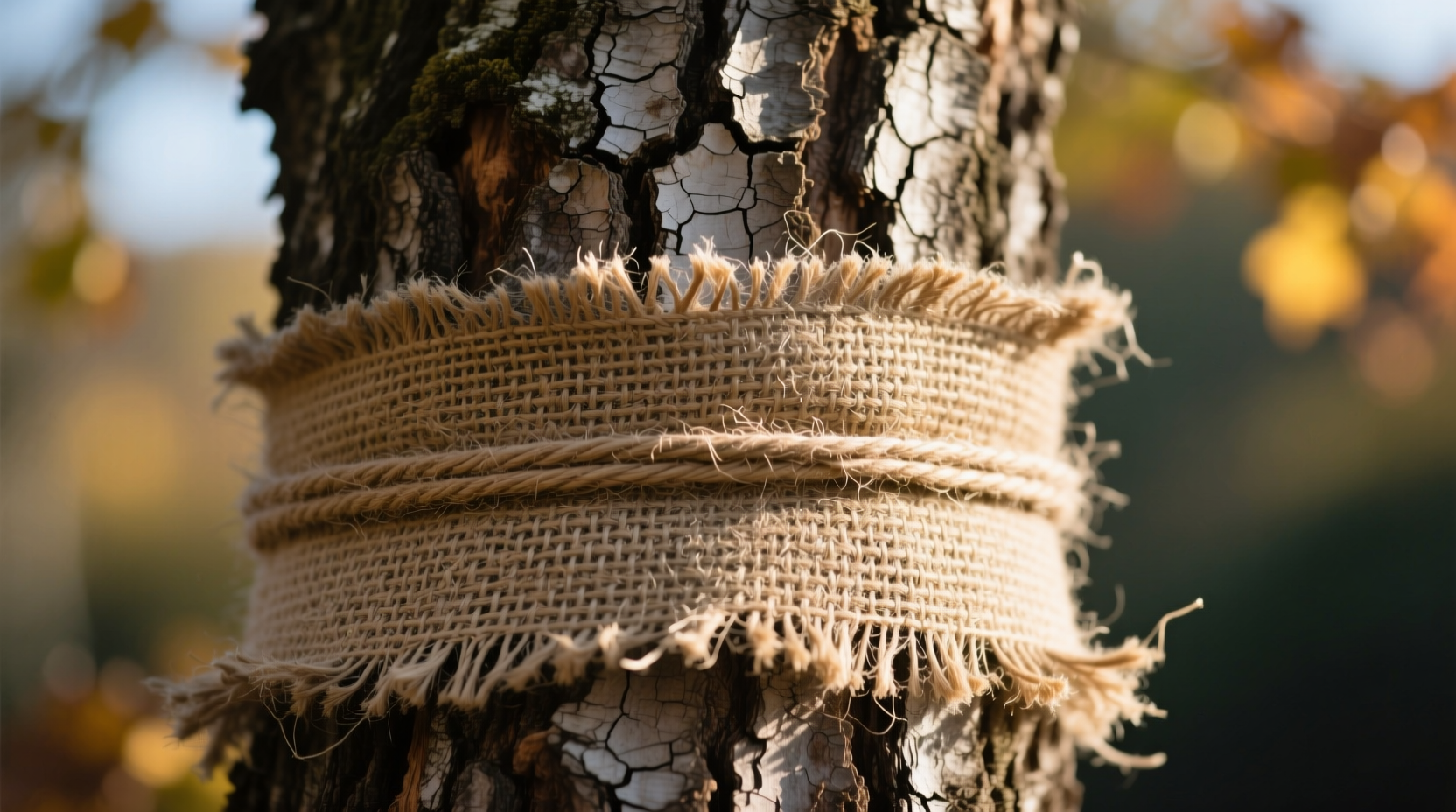
The primary reason for wrapping tree trunks in burlap isn’t aesthetics—it’s protection. Young trees, especially those recently planted in open, exposed areas, face several seasonal threats:
- Sunscald: On cold winter days, direct sunlight heats the south- and southwest-facing sides of a tree trunk. When the sun sets or goes behind clouds, temperatures drop rapidly, causing the active bark cells to freeze and die. This leads to cracked, discolored bark—commonly called “southwest injury.”
- Frost cracks: Related to sunscald, these are vertical splits in the trunk caused by sudden temperature swings. They often appear in late winter or early spring.
- Rodent damage: Mice, voles, and rabbits chew on the bark of young trees in winter when other food sources are scarce. This girdling can kill a tree if the cambium layer is destroyed all the way around.
- Wind desiccation: Evergreen trees and broadleaf evergreens like holly or rhododendron lose moisture through their leaves even in winter. In dry, windy conditions, roots can’t replace that moisture fast enough, leading to drying and dieback.
Burlap acts as a physical barrier against these threats. It shields the bark from direct sun, reduces wind exposure, and deters small animals from chewing. But crucially, burlap must be applied properly. Poor technique turns a protective tool into a liability.
Burlap vs. Commercial Tree Wrap: What’s the Difference?
Burlap isn’t the only option. Many gardeners use specialized spiral tree guards or white plastic wraps designed specifically for winter protection. How does burlap compare?
| Feature | Burlap | Plastic Tree Wrap | Paper Wrap |
|---|---|---|---|
| UV Protection | High (blocks direct sun) | High (reflects light) | Moderate |
| Ventilation | Excellent (breathable) | Poor (can trap heat/moisture) | Good |
| Rodent Deterrence | Moderate (unless secured tightly) | High (hard to chew through) | Low |
| Reusability | Yes (if stored dry) | Yes (durable) | No (single season) |
| Aesthetic Appeal | Natural, textured look | Artificial, uniform | Minimal visibility |
| Cost | Low to moderate | Moderate | Low |
While plastic wraps reflect sunlight well and offer strong rodent resistance, they carry a higher risk of overheating on sunny winter days and trapping moisture. This creates an ideal environment for fungal growth and insect infestations. Burlap, being porous and biodegradable, avoids these pitfalls—if removed on time.
“Burlap is one of the most underrated tools in urban arboriculture. When used correctly, it prevents sunscald without suffocating the tree. The key is timing: apply in late fall, remove by early spring.” — Dr. Lena Torres, Urban Forestry Specialist, Cornell Cooperative Extension
When Burlap Wrapping Pays Off—And When It Doesn’t
Not every tree needs burlap. Applying it indiscriminately wastes time and materials and may do more harm than good. Here’s when it’s truly worth the effort:
Worth It: Young, Thin-Barked Trees in Exposed Locations
Trees planted within the last 3–5 years, particularly in full-sun, open sites (like parking strips, plazas, or newly developed yards), benefit significantly from burlap wrapping. Species such as Japanese maple, paper birch, and flowering dogwood have smooth, vulnerable bark that’s easily damaged by winter sun and rodents.
Worth It: Trees in Areas with High Rodent Activity
If you’ve seen gnaw marks on tree bases or have a history of vole tunnels in your yard, burlap can help—but only if extended to ground level and secured loosely with twine or staples. For maximum protection, combine burlap with a hardware cloth cylinder buried a few inches into the soil.
Not Worth It: Mature Trees
Once a tree develops thick, furrowed bark, it naturally insulates itself. Mature oaks, elms, and pines don’t require wrapping. The energy spent wrapping them offers negligible return.
Not Worth It: Trees in Shaded or Sheltered Areas
If a tree is shaded by buildings or larger trees for most of the day, sunscald risk is low. Similarly, trees surrounded by dense mulch or snow cover are less prone to temperature fluctuations and rodent access.
Not Worth It: Year-Round Wrapping
Leaving burlap on past April invites trouble. Trapped moisture promotes mold and rot. Hidden crevices become homes for insects like bark beetles or borers. Worse, prolonged covering can cause bark to weaken from lack of air exchange.
Step-by-Step Guide: How to Wrap a Tree Trunk in Burlap the Right Way
Proper technique ensures protection without harm. Follow this timeline and method for best results:
- Choose the right burlap: Use untreated, natural fiber burlap. Avoid synthetic or chemically treated versions that resist decomposition and may leach toxins.
- Cut to size: Cut a strip 18–24 inches wide and long enough to wrap the trunk with a 2-inch overlap. Height should extend from just below the lowest branches to about 2 inches above the soil line.
- Clean the trunk: Gently wipe away loose debris or moss. Do not scrub or damage the bark.
- Start at the base: Begin wrapping at ground level, spiraling upward with slight overlap (like a bandage). Keep tension light—burlap should lie flat but not constrict.
- Secure gently: Fasten with soft twine, jute cord, or landscape staples. Avoid nails or tight wire that can cut into expanding tissue.
- Leave space at the top and bottom: Ensure airflow at the soil line and where the wrap meets branches. Never bury the wrap in mulch.
- Inspect monthly: Check for signs of pests, mold, or slippage. Adjust if needed.
- Remove in spring: Take off the burlap completely by early April. Store it in a dry place for reuse next year if undamaged.
This process takes less than 10 minutes per tree and pays dividends in reduced winter injury and longer tree lifespan.
Mini Case Study: A Municipal Landscape Turnaround
In 2020, the city of Ashland, Ohio, launched a street tree revitalization program after noticing high mortality rates among newly planted red maples. Of 120 saplings installed in 2018, nearly 35% died within two years—most showing signs of sunscald and rodent damage.
The city arborist introduced a simple protocol: all new trees would be wrapped each winter with burlap from November to March. Volunteers were trained in proper technique, and local garden centers donated surplus material.
By 2023, the survival rate of new plantings had risen to 94%. Inspections showed minimal trunk damage, and community members reported seeing fewer voles near protected trees. The cost was negligible—about $1.50 per tree per year in materials and labor.
“We thought we were doing enough with mulch and watering,” said Parks Director Marlene Choi. “But we underestimated winter stress. Burlap wrapping was the missing piece.”
Common Mistakes That Undermine the Benefits
Even well-intentioned efforts can backfire. Watch out for these frequent errors:
- Wrapping too tightly: Constriction limits gas exchange and can girdle the trunk over time.
- Using black plastic instead of burlap: Absorbs heat, increasing temperature swings and scald risk.
- Leaving wraps on all year: Creates a moist microclimate that encourages pathogens.
- Extending mulch over the wrap base: Invites rodents to nest close to the trunk.
- Ignoring ventilation: Sealing the top or bottom prevents airflow, promoting mold.
Burlap should protect—not imprison—the tree.
FAQ: Your Burlap Wrapping Questions Answered
Can I use old bedsheets or landscape fabric instead of burlap?
You can, but with caveats. Cotton sheets breathe well but degrade quickly and offer poor rodent resistance. Woven landscape fabric lasts longer but doesn’t decompose and may restrict airflow if too dense. Natural burlap remains the best balance of breathability, durability, and eco-friendliness.
Do evergreen trees need trunk wrapping?
Generally, no. Evergreens benefit more from anti-desiccant sprays and windbreaks. However, young yews or arborvitae in exposed locations may benefit from partial burlap screening on the windward side—not full trunk wrapping.
Is decorative burlap wrapping harmful?
If left on permanently for visual effect, yes. While burlap adds rustic charm, treating it as permanent landscaping fabric risks moisture retention and pest harborage. If used decoratively, install it seasonally and remove it during growing months.
Checklist: Burlap Tree Wrapping Best Practices
- ✅ Wrap only young, thin-barked trees (under 5 years)
- ✅ Use untreated, natural burlap
- ✅ Apply between late October and Thanksgiving
- ✅ Start at the base, spiral upward with light tension
- ✅ Secure with soft ties—never wire or nails
- ✅ Leave top and bottom open for airflow
- ✅ Inspect monthly for pests or mold
- ✅ Remove by mid-March; store for reuse
- ❌ Never leave on year-round
- ❌ Avoid covering with mulch or soil
Conclusion: Practical Protection, Not Pointless Ritual
Wrapping your tree trunk in burlap isn’t a meaningless tradition or empty aesthetic gesture—if done with purpose and precision. For vulnerable young trees in harsh environments, it’s a low-cost, high-impact practice that prevents preventable damage. It’s not about adding texture for the sake of appearance; it’s about creating resilience.
But like any gardening practice, intent matters. Blindly wrapping every tree without assessing need leads to wasted effort and potential harm. The goal isn’t to make every trunk look cozy—it’s to help trees survive and thrive in challenging conditions.
Assess your landscape. Identify which trees are at risk. Apply burlap thoughtfully, remove it promptly, and monitor results. Over time, you’ll see fewer cracks, less dieback, and stronger growth. That’s not theater. That’s stewardship.




 浙公网安备
33010002000092号
浙公网安备
33010002000092号 浙B2-20120091-4
Comments
No comments yet. Why don't you start the discussion?