
Pregnancy brings a cascade of physical changes, many of which are expected — from morning sickness to swollen feet. But persistent itching can catch expectant mothers off guard. While mild skin irritation is common and often harmless, severe or widespread itching may signal an underlying condition that requires medical attention. Understanding the difference between normal discomfort and a potential red flag is essential for both maternal and fetal health.
This guide explores the most frequent causes of itching during pregnancy, evidence-based relief strategies, and clear warning signs that warrant prompt consultation with a healthcare provider.
Common Causes of Itching During Pregnancy
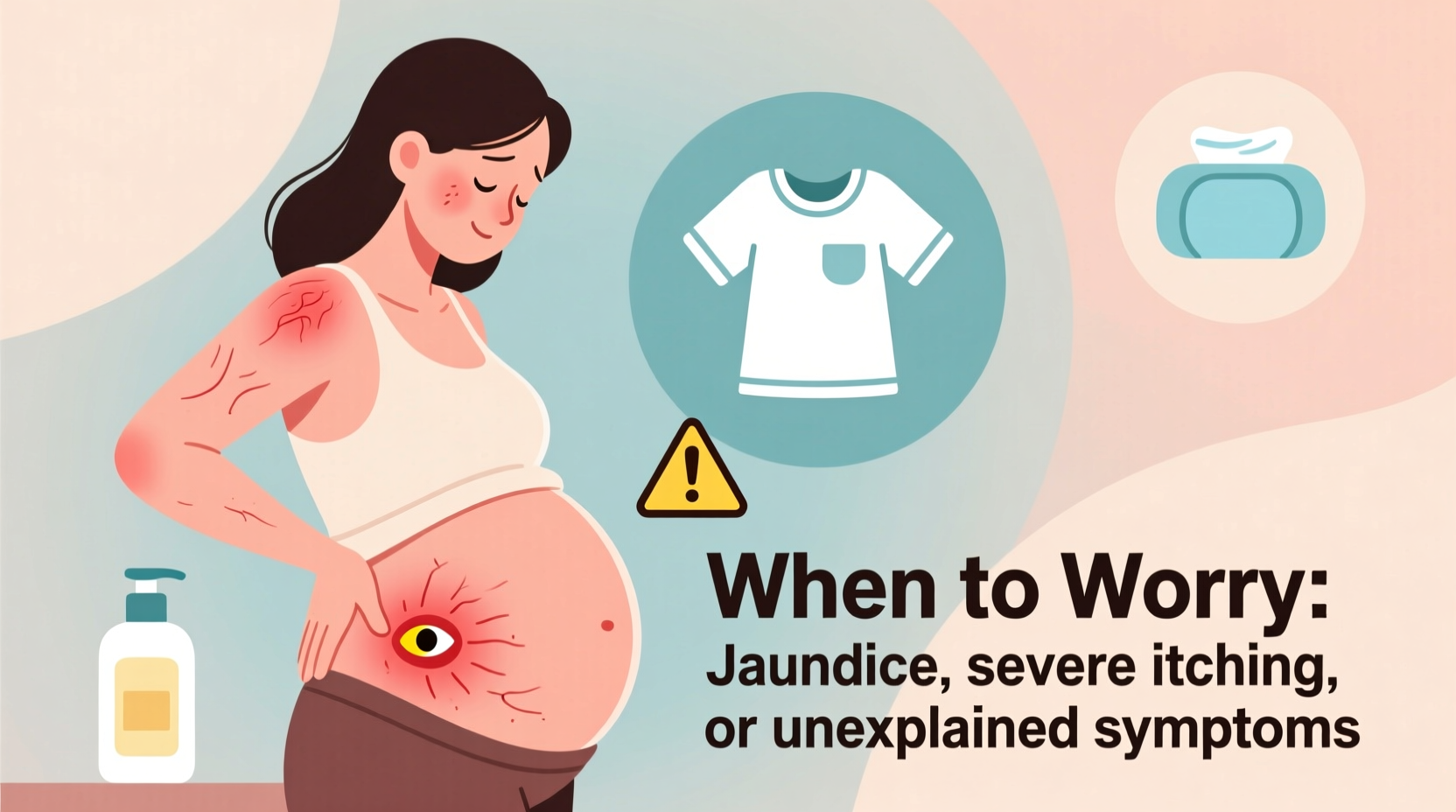
Itching in pregnancy typically arises from hormonal shifts, skin stretching, or pre-existing skin conditions exacerbated by physiological changes. The majority of cases are benign and resolve after delivery.
- Hormonal fluctuations: Elevated estrogen and progesterone levels can increase skin sensitivity and stimulate bile production, potentially leading to itchiness even without visible rash.
- Stretching skin: As the abdomen expands, particularly in the third trimester, the skin tightens and dries, triggering localized itching on the belly, thighs, and breasts.
- Dry skin: Reduced sebum production and increased blood flow make skin more prone to dryness and flaking, especially in colder months.
- Pre-existing dermatoses: Conditions like eczema or psoriasis may flare due to immune modulation during pregnancy.
- Allergic reactions: Sensitivities to new skincare products, detergents, or fabrics (e.g., synthetic maternity wear) can cause contact dermatitis.
When Itching Signals a Serious Condition
While most itching is harmless, certain patterns suggest obstetric cholestasis (also known as intrahepatic cholestasis of pregnancy, or ICP) — a liver disorder affecting 0.5% to 2% of pregnancies in the U.S. Left untreated, ICP increases the risk of preterm birth, fetal distress, and stillbirth.
ICP is characterized by intense itching without a rash, usually beginning in the third trimester. It often starts on the palms and soles and spreads to other areas. Unlike skin-related itching, symptoms worsen at night and do not improve with topical treatments.
“Pruritus in pregnancy should never be dismissed. Persistent itching, especially on hands and feet, demands liver function testing to rule out cholestasis.” — Dr. Lena Patel, Maternal-Fetal Medicine Specialist
Another notable condition is PUPPP (Pruritic Urticarial Papules and Plaques of Pregnancy), which affects about 1 in 150 pregnancies. It typically begins in stretch marks on the abdomen and spreads outward, causing red, bumpy rashes accompanied by intense itching. Though uncomfortable, PUPPP poses no long-term risk to mother or baby and resolves postpartum.
Red Flags That Require Medical Evaluation
Seek immediate care if itching is accompanied by any of the following:
- Yellowing of the skin or eyes (jaundice)
- Dark urine or pale stools
- Nausea, fatigue, or loss of appetite
- Itching concentrated on palms and soles
- Symptoms worsening at night
- Rash spreading rapidly or becoming painful
Safe Relief Strategies for Mild to Moderate Itching
For non-concerning itching, several conservative measures can provide comfort without risking fetal safety.
Step-by-Step Guide to Managing Skin Discomfort
- Moisturize daily: Apply thick, unscented creams like ceramide-based lotions or pure cocoa butter twice a day, focusing on itchy areas.
- Use lukewarm water: Avoid hot showers, which strip natural oils and worsen dryness.
- Wear breathable fabrics: Choose loose cotton clothing over synthetics to minimize irritation.
- Hydrate internally: Drink plenty of water to support skin elasticity and overall health.
- Cool compresses: Apply a damp cloth to itchy spots for instant soothing.
- Oatmeal baths: Colloidal oatmeal has anti-inflammatory properties and can calm widespread itching.
Topical Treatments to Consider
Over-the-counter options like calamine lotion or 1% hydrocortisone cream (used sparingly and under doctor guidance) can reduce inflammation. Antihistamines such as diphenhydramine (Benadryl) may be used occasionally for nighttime relief but only after consulting a provider.
Avoid retinoids, salicylic acid, and strong steroids unless prescribed. Always check ingredient labels and discuss new products with your OB-GYN.
Do’s and Don’ts: Managing Itch Safely
| Do’s | Don’ts |
|---|---|
| Use fragrance-free, hypoallergenic skincare products | Scratch aggressively — it can lead to infection |
| Take cool or lukewarm oatmeal baths | Use scented soaps or harsh exfoliants |
| Wear loose, natural-fiber clothing | Apply undiluted essential oils (some are unsafe in pregnancy) |
| Consult your doctor before using any medication | Ignore itching that worsens at night or affects palms/soles |
| Stay hydrated and maintain a balanced diet | Self-diagnose or delay testing for liver function |
Real Example: Recognizing ICP Early
Sarah, a first-time mom at 32 weeks, began experiencing unbearable itching on her hands and feet. Initially dismissing it as dry skin, she tried multiple lotions with no relief. After three nights of disrupted sleep, she contacted her midwife, who ordered liver function tests. Results confirmed ICP with elevated bile acid levels. Sarah started on ursodeoxycholic acid, underwent weekly monitoring, and delivered at 37 weeks via induction. Her baby was healthy, and her symptoms resolved within days postpartum.
Sarah’s case underscores the importance of timely evaluation. “I thought it was just part of being pregnant,” she said. “But getting tested gave me peace of mind and protected my baby.”
Frequently Asked Questions
Can itching harm my baby?
Itching itself does not harm the baby, but underlying conditions like ICP can increase risks such as preterm labor or meconium passage in utero. Prompt diagnosis and management significantly reduce these dangers.
Is PUPPP dangerous?
No, PUPPP is not harmful to mother or baby. It is a benign skin condition that usually begins in the third trimester and clears up within weeks after delivery. Treatment focuses on symptom relief through antihistamines or topical steroids when necessary.
How is ICP diagnosed?
Diagnosis involves blood tests measuring serum bile acids and liver enzymes. A total bile acid level above 10 µmol/L is diagnostic of ICP. Testing is recommended for any woman with unexplained pruritus in the second or third trimester.
Conclusion: Prioritize Awareness and Action
Itching during pregnancy ranges from a minor nuisance to a sign of a serious condition. While dry skin and stretching are common and manageable, persistent or nocturnal itching — especially on the hands and feet — should never be ignored. With early detection and proper care, complications from conditions like ICP can be minimized.
Your body sends signals for a reason. Listen closely, act proactively, and involve your healthcare provider whenever symptoms feel unusual. By staying informed and vigilant, you protect not only your own well-being but also the health of your growing baby.




 浙公网安备
33010002000092号
浙公网安备
33010002000092号 浙B2-20120091-4
Comments
No comments yet. Why don't you start the discussion?