
Facial puffiness—especially around the eyes and jawline—is a common concern, particularly in the morning or after high-sodium meals. As interest in non-invasive skincare tools grows, two ancient Eastern practices have gained modern popularity: the jade roller and gua sha. Both are marketed as solutions for depuffing, improving circulation, and enhancing skin tone. But when it comes to actual results on facial puffiness, is one truly better than the other?
The answer lies not just in the tool itself, but in technique, consistency, and understanding how each method interacts with the body’s lymphatic system. While both tools use stone (typically jade or rose quartz) and involve gliding over the skin, their shapes, application methods, and intended effects differ significantly.
Understanding Facial Puffiness and Lymphatic Drainage
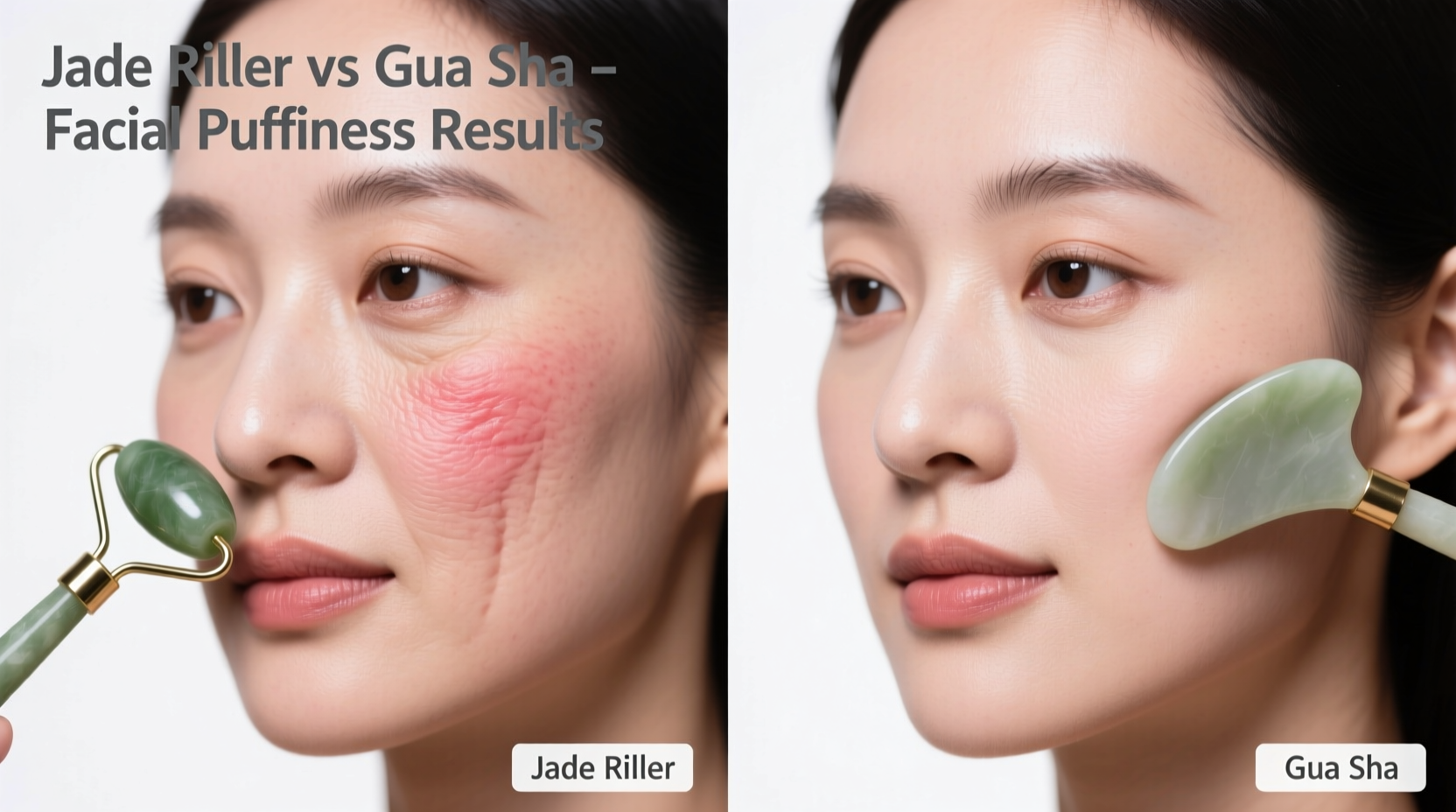
Facial puffiness often stems from fluid retention, which can be influenced by diet, sleep, allergies, or hormonal fluctuations. Unlike swelling caused by inflammation or injury, everyday puffiness is usually temporary and related to poor lymphatic drainage.
The lymphatic system is a network of vessels that remove waste, excess fluid, and toxins from tissues. Unlike blood, lymph doesn’t have a pump—it relies on muscle movement and manual stimulation to flow. This is where facial massage tools come into play.
Both jade rollers and gua sha work by stimulating lymphatic drainage through gentle pressure and directional strokes. However, the depth and precision of this stimulation vary between the two.
“Lymphatic massage isn’t about breaking down fat or tightening skin overnight—it’s about encouraging fluid movement. The right technique matters more than the tool.” — Dr. Lin Mei, Dermatologist & Integrative Skincare Specialist
How Jade Rollers Work: Simplicity Meets Soothing Relief
The jade roller consists of a handle with two wheels—one large and one small—made from natural stone. Typically used cold (often stored in the fridge), it’s rolled outward and upward across the face in repetitive motions.
The primary benefits of the jade roller include:
- Cooling effect that constricts blood vessels and temporarily reduces puffiness
- Gentle surface-level massage that encourages mild lymphatic flow
- Enhanced absorption of serums and oils due to increased circulation
- Stress-relieving ritual that promotes relaxation
Jade rollers are beginner-friendly and easy to use. Their smooth rolling action is less likely to cause irritation, making them ideal for sensitive skin. However, their effectiveness is limited by design: the rounded shape doesn’t allow for targeted pressure on specific areas like under the eyes or along the jawline.
The Gua Sha Method: Precision and Pressure for Lasting Results
Gua sha, a traditional Chinese medicine practice, translates to “scraping” or “to rub press.” The tool is a flat, contoured piece of stone—often jade or bian stone—with curved edges designed to follow facial anatomy.
Unlike the rolling motion of a jade roller, gua sha involves short, deliberate strokes applied with moderate pressure along meridian lines and lymphatic pathways. It’s typically performed with oil or serum to reduce friction.
Key advantages of gua sha include:
- Targeted pressure that reaches deeper tissue layers
- Ability to contour and sculpt areas prone to fluid buildup (e.g., under the chin, cheeks)
- Improved muscle tone and reduced tension in the jaw and neck
- Potential long-term lifting effect with consistent use
Studies suggest that regular gua sha can increase microcirculation by up to 400% immediately after use, according to research published in *The Journal of Traditional and Complementary Medicine*. While this doesn’t equate to permanent fat reduction, improved circulation supports faster removal of stagnant fluid.
Real Example: Morning Routine Comparison
Sophie, a 34-year-old graphic designer, struggled with chronic morning puffiness, especially under her eyes. She tested both tools over a six-week period:
- Weeks 1–2: Used only a chilled jade roller for five minutes daily. Noticed slight improvement in eye area, but puffiness returned within hours.
- Weeks 3–4: Switched to gua sha using a heart-shaped tool with defined edges. Focused on downward strokes from temples to collarbones to encourage lymph drainage. Within three days, she observed reduced cheek fullness and tighter jaw definition.
- Weeks 5–6: Combined both tools—starting with gua sha for deep drainage, finishing with jade roller for cooling and calming. Reported the most sustained reduction in puffiness and improved skin clarity.
Her experience highlights an important insight: while gua sha offers more structural impact, combining tools may yield optimal results.
Direct Comparison: Jade Roller vs Gua Sha
| Feature | Jade Roller | Gua Sha |
|---|---|---|
| Primary Function | Surface cooling and light lymphatic stimulation | Deep lymphatic drainage and muscle release |
| Pressure Level | Light to moderate | Moderate to firm (controlled) |
| Learning Curve | Low – intuitive rolling motion | Moderate – requires knowledge of stroke direction and pressure points |
| Best For | Quick depuffing, sensitive skin, post-inflammatory calming | Chronic puffiness, jaw tension, facial contouring |
| Time Required | 3–5 minutes | 8–12 minutes |
| Risk of Irritation | Very low | Moderate if used incorrectly (redness, petechiae) |
| Long-Term Benefits | Limited – mostly temporary relief | Potentially cumulative – improved tone and drainage over time |
Step-by-Step Guide to Maximizing Depuffing Results
To get the most out of either tool—or both—follow this science-backed routine:
- Cleanse First: Start with a clean face to prevent pushing dirt into pores.
- Apply Slip Product: Use facial oil, serum, or a water-based gel to minimize friction. Avoid dry scraping.
- Begin with Gua Sha (if using):
- Neck: Use the curved edge to scrape downward from jaw to collarbone (5–7 times per side).
- Jawline: Hold the tool at a 45-degree angle and sweep from chin to ear (5 times).
- Under Eyes: Use the smaller curve gently from inner corner to temple (3–5 times).
- Forehead: Sweep from center outward toward temples (3 times).
- Follow with Jade Roller (optional):
- Roll cheeks upward from nose to ear.
- Use small end under eyes, rolling from inner to outer corner.
- Finish forehead with horizontal rolls from brow to hairline.
- Finish with Lymph Node Drainage: Use fingertips to gently massage behind ears and along the base of the neck to help flush fluid.
- Consistency is Key: Perform 4–5 times per week for best results. Effects build over 4–6 weeks.
“Gua sha isn’t a quick fix. It’s a practice. When done correctly, it trains the face to drain more efficiently over time.” — Mei Ling, Licensed Esthetician & TCM Practitioner
Common Mistakes That Reduce Effectiveness
Even with the right tool, improper use can limit results or cause harm:
- Using too much pressure: Especially with gua sha, excessive force can lead to capillary breakage or irritation.
- Incorrect stroke direction: Going against lymph flow (e.g., upward on the neck) traps fluid instead of releasing it.
- Dry scraping: Skipping a slip product increases friction and may damage the skin barrier.
- Inconsistent use: Occasional use provides only temporary relief; long-term benefits require routine.
- Ignoring contraindications: Avoid both tools if you have active acne, rosacea flare-ups, or recent facial injuries.
FAQ: Your Top Questions Answered
Can either tool really reduce puffiness, or is it just placebo?
There is measurable physiological benefit. Manual lymphatic drainage has been clinically shown to reduce edema. While results are temporary without maintenance, consistent use supports healthier fluid balance in the face. The cooling effect of jade adds vasoconstriction, providing immediate visual improvement.
Which tool should I choose if I only want to reduce morning puffiness?
A chilled jade roller is sufficient for quick, soothing relief. It’s faster, easier to store, and less technique-dependent. However, if puffiness persists throughout the day, gua sha may address underlying stagnation more effectively.
Can I use both tools together?
Absolutely. Many professionals recommend using gua sha first to stimulate deeper drainage, followed by a jade roller to cool and calm the skin. This combination leverages the strengths of both tools.
Final Checklist: Getting Started the Right Way
Before incorporating either tool into your routine, ensure you’re set up for success:
- ✅ Choose a genuine stone tool (avoid plastic imitations)
- ✅ Clean your tool weekly with mild soap and water
- ✅ Store jade roller in the fridge for enhanced depuffing
- ✅ Learn proper stroke directions—focus on moving fluid toward lymph nodes
- ✅ Use a facial oil or serum to prevent tugging
- ✅ Commit to at least 4 weeks of regular use to assess real changes
- ✅ Discontinue if you notice bruising, pain, or persistent redness
Conclusion: It’s Not Just the Tool—It’s How You Use It
The debate between jade roller and gua sha isn’t about declaring a winner—it’s about matching the method to your goals. For instant, gentle depuffing and a refreshing ritual, the jade roller excels. For deeper, longer-lasting improvements in facial contour and lymphatic function, gua sha offers superior results when practiced correctly.
The truth is, both tools can coexist in a thoughtful skincare routine. Understanding their distinct roles allows you to move beyond trends and harness their benefits intentionally. Whether you’re combating morning swelling or seeking a natural lift, consistency, technique, and realistic expectations matter far more than the stone in your hand.




 浙公网安备
33010002000092号
浙公网安备
33010002000092号 浙B2-20120091-4
Comments
No comments yet. Why don't you start the discussion?