
In recent years, a quiet revolution has taken place on keyrings around the world. Once dominated by engraved initials or minimalist leather tags, today’s keychains are increasingly adorned with playful silicone ghosts, pastel-colored food replicas, and whimsical cartoon figures. The jelly ghost keychain — soft, translucent, and undeniably cute — has become a cultural icon among Gen Z and millennial consumers. But as quirky accessories surge in popularity, a question arises: Are these fun, mass-produced novelties replacing the sentimental value and individuality of personalized tags?
This shift isn’t just about aesthetics; it reflects deeper changes in consumer behavior, identity expression, and how people assign meaning to everyday objects. While personalized tags emphasize utility and tradition, jelly ghost keychains and similar items speak to emotion, community, and self-expression through shared pop culture references.
The Rise of the Jelly Ghost Keychain
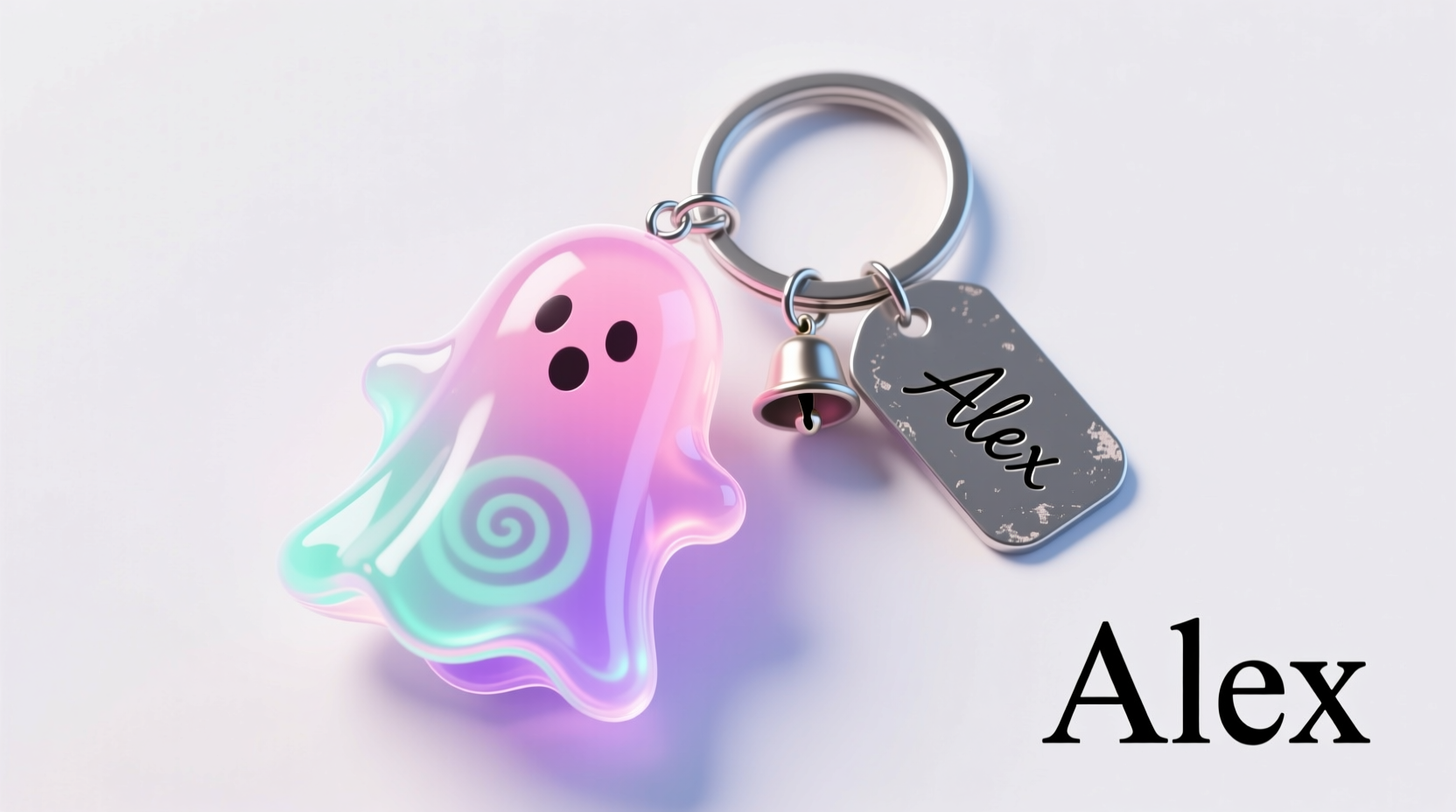
Originating from Japanese kawaii culture and popularized through social media platforms like TikTok and Instagram, jelly ghost keychains represent more than just an accessory—they’re a lifestyle statement. Made from soft TPU or silicone, these squishy little ghosts often come in pastel hues, glow-in-the-dark variants, or limited-edition collaborations with anime franchises and indie artists.
What makes them so appealing? First, their tactile quality offers sensory satisfaction. Second, their design taps into nostalgia and internet humor—many feature exaggerated facial expressions or pun-based names like “Boo-lieve” or “I’m a scream.” Third, they’ve become collectible. Enthusiasts trade rare versions, display them on lanyards, and even curate seasonal rotations based on mood or holiday themes.
Personalized Tags: Function Meets Sentiment
Contrast this with the classic personalized tag—a small metal or leather rectangle engraved with a name, phone number, or meaningful date. These have long served dual purposes: practical identification and emotional significance. A gift from a partner, a graduation keepsake, or a memorial charm, personalized tags carry weight precisely because they are unique to one person.
They thrive in environments where function is paramount—travelers attach them to luggage, professionals use them for work keys, and parents label school bags. Their durability and understated elegance appeal to those who value minimalism and longevity over trendiness.
Yet, despite their timeless utility, sales data suggests a decline in demand. According to market research firm Trendalytics, searches for “custom engraved keychain” dropped 23% between 2020 and 2023, while queries for “cute silicone keychain” rose by 67% in the same period.
“People aren't rejecting personalization—they're redefining it. Today’s consumers personalize through curation, not engraving.” — Lena Torres, Consumer Culture Analyst at InsightMode
Jelly Ghost vs Personalized Tag: A Feature Comparison
| Feature | Jelly Ghost Keychain | Personalized Tag |
|---|---|---|
| Primary Purpose | Self-expression, fun, collectibility | ID, security, sentiment |
| Material | Silicone/TPU (soft, flexible) | Metal, leather, acrylic (rigid) |
| Customization Level | Color, style, edition (limited choices) | Name, message, font, layout (highly customizable) |
| Lifespan | 1–3 years (prone to tearing/fading) | 5+ years (durable if maintained) |
| Social Visibility | High—often photographed/shared online | Low—functional, rarely noticed |
| Price Range | $3–$15 (mass-market to boutique) | $10–$40 (higher for premium materials) |
Why Quirky Keychains Are Gaining Ground
The popularity of jelly ghost keychains and similar novelties stems from several converging factors:
- Digital Identity Extension: In a world where avatars, usernames, and profile aesthetics define online presence, physical accessories act as offline extensions. A jelly ghost isn’t just a keychain—it’s a wearable meme.
- Community Building: Collectors join Discord servers and Reddit threads dedicated to trading and reviewing new drops. Limited editions create urgency and exclusivity akin to streetwear culture.
- Affordable Joy: At under $10, these keychains offer instant gratification without financial risk. They fit the “treat yourself” economy perfectly.
- Giftability: Unlike engraved items that require knowing someone’s name or initials, quirky keychains are safe, fun gifts for coworkers, friends, or secret Santa exchanges.
Brands like Sanrio, Disney, and independent Etsy creators have capitalized on this trend, releasing themed series tied to holidays, fandoms, or mental health awareness (e.g., “Anxiety Boo” or “You’ve Got a Friend in Me” variants).
Mini Case Study: From Dorm Room to Retail Shelf
In 2021, college student Maya Lin began selling handmade jelly ghosts on Etsy, inspired by her love of horror-comedy films and kawaii art. She used non-toxic dyes and added tiny charms representing mental wellness symbols—like a lavender sprig for calm or a rainbow for pride.
Within six months, her shop gained viral attention after a TikTok video showcasing her “Mood Series” amassed over 2 million views. By 2023, she had partnered with a campus bookstore chain and launched a subscription box offering monthly ghost drops.
What set her apart wasn’t craftsmanship alone—it was storytelling. Each ghost came with a mini-backstory card (“This one stays up late worrying but still brings snacks to parties”). Customers didn’t just buy a keychain; they bought a character they could identify with.
Her success illustrates a broader truth: modern personalization isn’t about names etched in metal—it’s about emotional resonance packaged in playful form.
Do’s and Don’ts: Choosing the Right Keychain for You
| Scenario | Recommended Choice | Rationale |
|---|---|---|
| Everyday carry, professional setting | Personalized tag | Clean look, includes emergency contact info |
| College student, social media user | Jelly ghost or themed keychain | Expresses personality, shareable content |
| Gift for a teenager | Quirky keychain (e.g., anime, pet-shaped) | Fun, relatable, avoids awkward personal details |
| Travel luggage identifier | Hybrid: Personalized tag + colorful ghost charm | Functionality plus visibility on baggage claim |
FAQ
Can I combine a jelly ghost with a personalized tag?
Absolutely. Many users layer both—a functional engraved tag for ID and a jelly ghost for flair. This hybrid approach balances practicality with self-expression.
Are jelly ghost keychains durable enough for daily use?
Most are designed for light to moderate use. Avoid sharp keys or excessive pulling. High-quality versions from reputable brands resist yellowing and tearing longer.
Is personalization disappearing altogether?
No—but its form is evolving. Instead of names, people now personalize through color preferences, fandom allegiance, or emotional themes (e.g., anxiety support, LGBTQ+ pride).
Step-by-Step Guide: Building a Meaningful Keyring Mix
- Assess Your Needs: Determine whether you prioritize function, fashion, or both.
- Select a Base Tag: Choose a slim, engraved tag with your name and contact info for emergencies.
- Add a Statement Piece: Pick a jelly ghost or other quirky charm that reflects your current mood or interests.
- Rotate Seasonally: Swap out charms based on holidays, shows you’re watching, or mental health check-ins.
- Protect Your Investment: Store extras in a soft pouch and clean regularly to maintain appearance.
Conclusion
The debate between jelly ghost keychains and personalized tags isn’t truly about replacement—it’s about evolution. What we consider “personal” is no longer confined to initials and phone numbers. Today, personalization lives in the emoji-like language of cute accessories, where a glowing ghost can say, “I’m anxious but trying,” or a tiny avocado says, “I love breakfast and bad puns.”
That doesn’t diminish the value of traditional engraved tags—they remain essential for safety and professionalism. But for emotional connection, digital identity, and joy-driven consumption, quirky keychains have carved out a permanent place.
The future of keyrings isn’t either/or. It’s both—and better for it.




 浙公网安备
33010002000092号
浙公网安备
33010002000092号 浙B2-20120091-4
Comments
No comments yet. Why don't you start the discussion?