
At first glance, a soft, cuddly toy is just a comfort object—something to hug, decorate a shelf with, or gift to a child. But look closer, and the world of plush toys reveals two distinct categories: traditional stuffed animals and kawaii anime plushes. While both serve as companions and decorative items, their origins, purposes, and cultural significance set them apart in meaningful ways. Understanding these differences helps collectors, parents, and fans make informed choices about which type best suits their needs.
Design Philosophy: Cuteness as a Culture
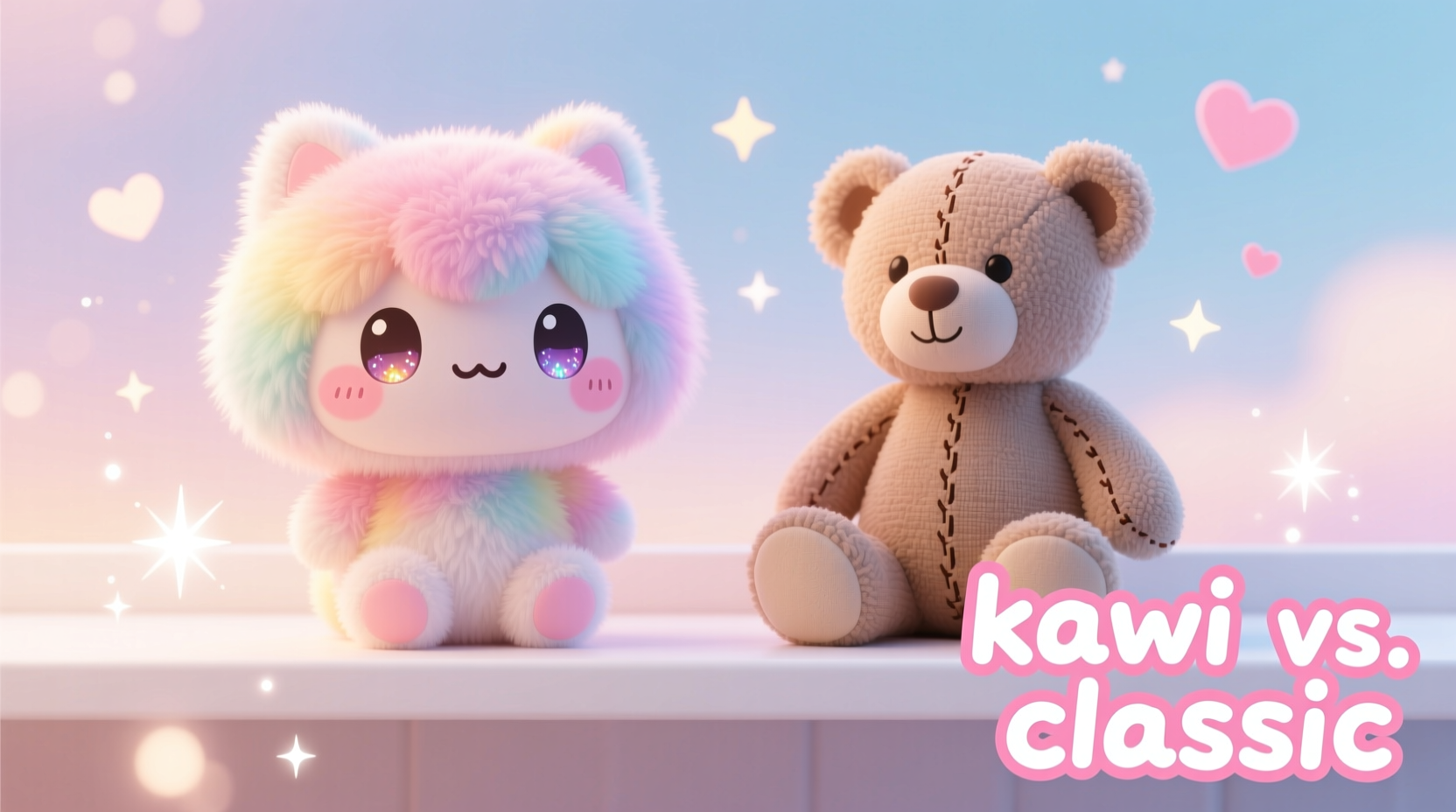
The most immediate distinction lies in design. Regular stuffed animals typically mimic real animals—bears, bunnies, elephants—with realistic proportions, natural colors, and subdued expressions. Their goal is familiarity and comfort, often aimed at young children.
Kawaii anime plushes, by contrast, are rooted in Japanese pop culture. \"Kawaii\" means \"cute\" in Japanese, but it's more than an adjective—it's an aesthetic movement. These plushes feature exaggerated features: oversized heads, sparkling eyes, tiny limbs, and pastel color palettes. Characters like Pikachu, Hello Kitty, Jigglypuff, or figures from Studio Ghibli films embody this style. The design isn’t about realism; it’s about emotional appeal through stylized cuteness.
This philosophy extends beyond appearance. Kawaii plushes often represent fictional characters with backstories, personalities, and fandoms. Owning one isn’t just about having a toy—it’s about connecting with a narrative, a show, or a community.
Material Quality and Craftsmanship
While both categories can be well-made, kawaii anime plushes often undergo stricter quality control due to licensing standards. Official merchandise from franchises like Pokémon, Sanrio, or My Hero Academia must meet brand-specific durability and safety benchmarks. This frequently results in higher-grade fabrics, secure stitching, and non-toxic dyes.
Regular stuffed animals, especially mass-market brands sold in department stores, may prioritize cost-efficiency. Polyester fillings and synthetic outer layers are common, but seams can be looser, and fabric may pill after minimal use.
That said, exceptions exist. Premium teddy bear brands like Steiff or Jellycat produce heirloom-quality traditional plushes with meticulous attention to detail. Conversely, unofficial anime plush knockoffs—often found on third-party marketplaces—can suffer from poor construction and inaccurate coloring.
“Licensed anime plushes are held to higher production standards because they represent billion-dollar IP. Fans notice every detail.” — Lena Takahashi, Toy Design Consultant
Target Audience and Emotional Value
Traditional stuffed animals are largely marketed toward children. They appear in nurseries, pediatric clinics, and birthday parties. Their emotional role is straightforward: provide comfort during sleep, anxiety, or transition periods.
Kawaii anime plushes, while also enjoyed by kids, have a significant adult following. Many are purchased by teens and adults as collectibles, mood boosters, or symbols of personal identity. In Japan, it’s common for office workers to keep small anime plushes on desks for stress relief—a practice known as *yurui* (loose/relaxed) culture.
This shift reflects broader changes in how people relate to plush toys. For many, a kawaii plush isn’t childish—it’s a form of self-expression. Displaying a Rilakkuma or Korilakkuma plush says something about your taste, your nostalgia, or your mental wellness routine.
Why Adults Collect Anime Plushes
- Nostalgia for childhood shows
- Emotional support during stressful times
- Participation in fan communities
- Aesthetic appeal in home decor
- Investment potential for limited editions
Comparison Table: Key Differences at a Glance
| Feature | Kawaii Anime Plush | Regular Stuffed Animal |
|---|---|---|
| Origin | Japanese pop culture, anime, manga | Western toy tradition, nature-inspired |
| Design | Exaggerated cuteness, character-based | Realistic animal shapes, neutral expressions |
| Audience | All ages, strong teen/adult fanbase | Primarily children |
| Purpose | Collecting, emotional connection, fandom | Comfort, play, decoration |
| Price Range | $15–$100+ (limited editions higher) | $5–$30 (premium up to $80) |
| Licensing | Often officially licensed | Rarely licensed |
Case Study: The Rise of Pusheen in Western Markets
Pusheen, the cartoon grey tabby cat created by Claire Belton, began as a webcomic character but gained global fame through its kawaii-style plush line. Unlike traditional cat toys, Pusheen plushes emphasize whimsy—she floats in space, eats sushi, wears unicorn horns. Her popularity exploded not among toddlers, but among college students and young professionals.
Merchandise company Cloudco Entertainment reported that Pusheen plush sales grew by 67% between 2018 and 2022, driven largely by social media sharing and gif culture. Fans bought Pusheen not just to cuddle, but to photograph, gift, and integrate into digital communication.
This case illustrates how a kawaii-style character transcends the “stuffed animal” label. It becomes a lifestyle brand, a meme, and a companion—all through intentional design and emotional resonance.
How to Choose the Right Plush for You
Selecting between kawaii anime plushes and regular stuffed animals depends on intent. Use this checklist to guide your decision:
- Who is it for? Child, collector, or yourself?
- Is emotional connection or durability more important?
- Do you want a character with a story or a generic design?
- Will it be played with, displayed, or used for comfort?
- What’s your budget? Limited editions can exceed $100.
- Do you prefer official merchandise or handmade charm?
Care and Maintenance Tips
Both plush types require care, but anime plushes often come with specific instructions due to printed details or accessories (like bows or hats). Here’s a step-by-step guide:
- Check labels: Look for washing instructions, especially on licensed products.
- Spot clean first: Use a damp cloth with mild soap for stains.
- Machine wash only if safe: Use a mesh bag and cold, gentle cycle.
- Air dry completely: Avoid direct sunlight to prevent fading.
- Fluff regularly: Restore shape by gently squeezing and shaking.
- Store properly: Keep in a cool, dry place away from pests.
Frequently Asked Questions
Are kawaii anime plushes safe for young children?
Most official anime plushes meet international safety standards (ASTM F963, EN71). However, smaller parts like eyes or accessories may pose choking hazards for children under 3. Always check age recommendations on packaging.
Why are some anime plushes so expensive?
Prices reflect licensing fees, limited production runs, intricate designs, and demand. A rare Nendoroid plush or Sanrio collaboration can become a collector’s item, increasing in value over time.
Can I wash a plush with printed designs without damaging it?
Yes, but cautiously. Turn it inside out (if possible), use cold water, and avoid bleach. Hand washing is safest for detailed or vintage pieces.
Final Thoughts: More Than Just Fabric and Fluff
The difference between kawaii anime plushes and regular stuffed animals goes beyond appearance. One represents a global cultural phenomenon rooted in emotional design and fandom; the other fulfills a timeless need for comfort and simplicity. Neither is inherently better—but each serves a unique purpose.
If you're drawn to storytelling, vibrant aesthetics, or the joy of collecting, a kawaii anime plush might be your ideal match. If you seek a durable, soothing companion for a child, a high-quality traditional stuffed animal remains a classic choice.




 浙公网安备
33010002000092号
浙公网安备
33010002000092号 浙B2-20120091-4
Comments
No comments yet. Why don't you start the discussion?