
If you’ve spotted clusters of small, red-and-black beetles on your windowsills or crawling along walls, especially in the fall or early winter, you’re likely dealing with ladybugs—more accurately, the multicolored Asian lady beetle (*Harmonia axyridis*). While often seen as charming garden allies, their sudden appearance indoors can be unsettling. Understanding why they’re entering your home and how to manage them is key to maintaining comfort without resorting to harsh chemicals.
Why Ladybugs Are in Your House
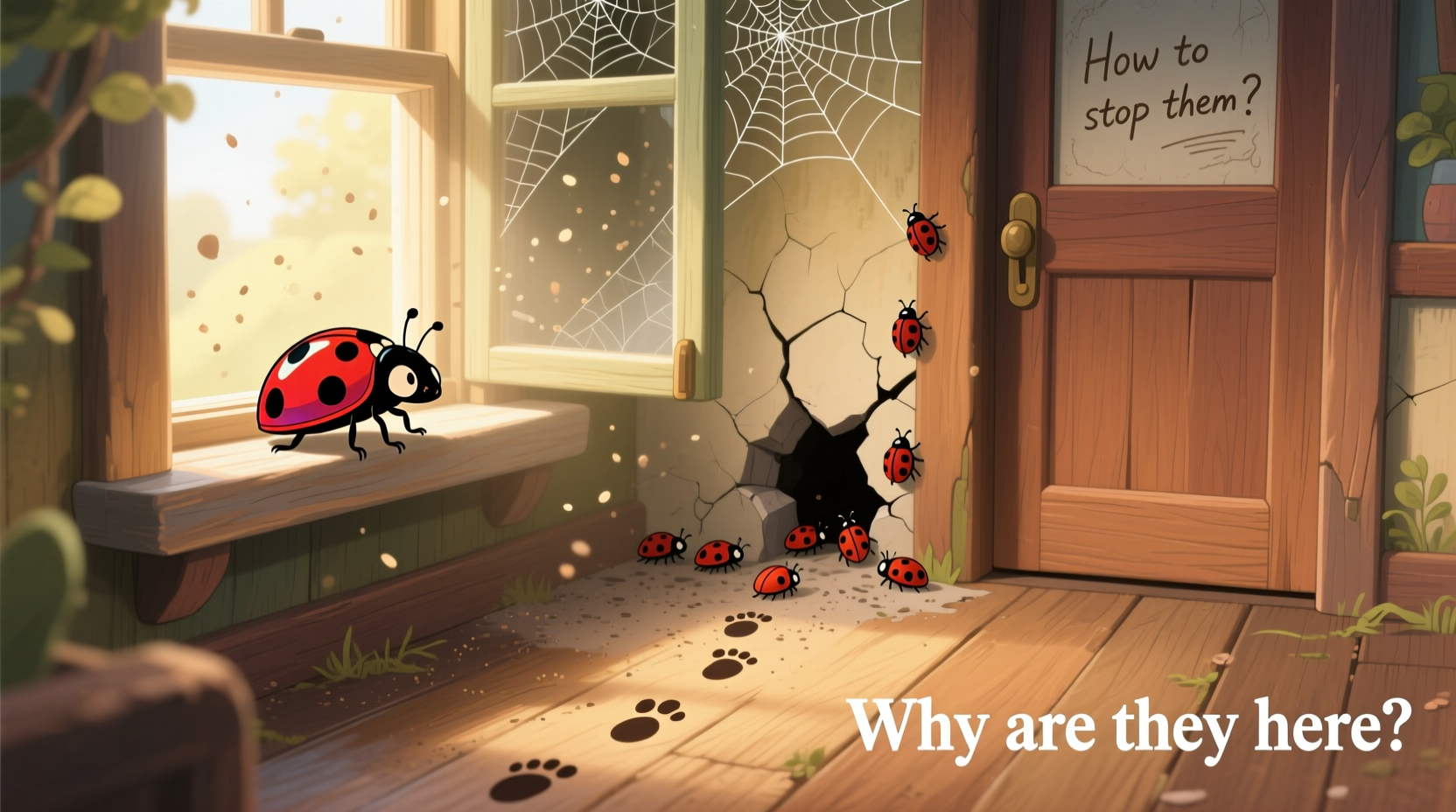
Ladybugs don’t infest homes for food or reproduction—they come inside seeking shelter from cold weather. As temperatures drop in late autumn, these insects instinctively search for warm, dry places to overwinter. Homes, particularly those with sun-facing walls, offer ideal conditions: warmth, protection, and crevices where they can gather in large numbers.
The multicolored Asian lady beetle, introduced to North America in the 1980s to control aphid populations in agriculture, has since become widespread. Unlike native ladybugs that typically hibernate outdoors under bark or leaf litter, this species strongly prefers human structures. They’re drawn to light-colored buildings and enter through tiny gaps around windows, doors, siding, and rooflines.
Once inside, they remain mostly inactive during winter months. However, indoor heating can confuse them into becoming active again, leading to sightings on sunny days when they move toward light sources like windows.
Are Ladybugs Harmful?
In gardens, ladybugs are beneficial predators that feed on aphids, mites, and other plant-damaging pests. Indoors, however, their presence is purely seasonal and accidental. They do not bite humans aggressively, though some individuals may experience mild pinching sensations if handled. Rarely, they can trigger allergies due to proteins in their hemolymph (insect “blood”) released when threatened.
They don’t eat wood, fabric, or food stores, nor do they lay eggs inside homes under typical conditions. Their primary impact is nuisance-related: staining surfaces with defensive secretions and creating discomfort when present in high numbers.
“While the Asian lady beetle plays a valuable role in pest control outdoors, its tendency to invade homes in large aggregations makes it a significant household pest in many regions.” — Dr. Laura Mitchell, Entomologist, University of Illinois Extension
How to Stop Ladybugs from Entering Your Home
Prevention is far more effective than removal. Once ladybugs are inside, eliminating them completely becomes difficult because they can hide deep within wall voids. The best approach is exclusion—sealing entry points before they arrive.
Step-by-Step Prevention Timeline
- Early Fall (September–October): Inspect your home’s exterior for cracks, gaps, and openings larger than ⅛ inch.
- Seal Entry Points: Use silicone-based caulk around windows, doors, utility lines, and siding joints. Install or repair door sweeps and window seals.
- Check Vents and Openings: Cover attic vents, soffits, and exhaust fans with fine mesh screening (¼ inch or smaller).
- Trim Vegetation: Keep vines, shrubs, and tree branches trimmed away from the house to reduce access routes.
- Turn Off Exterior Lights at Night: Ladybugs are attracted to light. Reducing outdoor lighting during peak migration periods can help deter them.
Safe and Effective Removal Methods
If ladybugs have already made their way inside, several humane and practical methods can help remove them without pesticides.
- Vacuuming: Use a vacuum cleaner with a soft brush attachment to gently suction ladybugs off walls and windows. Place a nylon stocking over the hose end to trap them while protecting your vacuum.
- Dust-Free Sweep: For small numbers, use a damp cloth or tissue to collect them and release them outside away from your home.
- Air Sealing After Removal: Do not attempt to kill them indoors—crushing releases odorous compounds that can attract more ladybugs.
| Method | Effectiveness | Best For |
|---|---|---|
| Caulking & sealing | High (preventative) | Long-term exclusion |
| Vacuum removal | Moderate to high | Active indoor populations |
| Exterior insecticides | Low to moderate | Perimeter treatment (use cautiously) |
| Light reduction | Moderate | Deterring new arrivals |
Real Example: A Homeowner’s Experience in Ohio
In central Ohio, homeowner Jen Ramirez began noticing dozens of ladybugs clustering on her south-facing living room windows every October. At first, she assumed they were harmless and left them alone. By midwinter, however, she counted over 200 in various rooms, with some appearing on warm afternoons despite the cold outside.
She contacted a local pest control advisor who recommended a two-step plan: seal all visible gaps on the exterior and install mesh covers on attic vents. The following spring, she re-caulked around windows and replaced old weatherstripping. That fall, she saw fewer than ten ladybugs—most likely stragglers from previous years.
“It wasn’t about killing them,” she said. “It was about making our house less inviting. Now I inspect the outside every September like clockwork.”
Checklist: How to Keep Ladybugs Out This Year
- Inspect your home’s exterior for cracks and gaps by early fall
- Seal openings with silicone caulk or expandable foam
- Install tight-fitting screens on vents and exhaust ports
- Use door sweeps and replace damaged weatherstripping
- Vacuum live ladybugs gently and release them outdoors
- Crumble or crush ladybugs indoors (attracts others)
- Rely solely on sprays—they don’t prevent entry
- Leave lights on near entry points at night
- Ignore small gaps—they only need 1/8 inch to enter
Frequently Asked Questions
Can ladybugs damage my home or belongings?
No. Ladybugs do not chew wood, wires, or fabrics. They also don’t feed on household items. However, their defensive fluid can stain light-colored surfaces and curtains if they are disturbed in large numbers.
Is it safe to have ladybugs in the house?
Generally, yes. They pose no structural threat and rarely bite. However, people with insect allergies may react to airborne particles from their secretions. If someone in your household has asthma or sensitivities, consider proactive exclusion.
Will killing ladybugs keep more from coming?
No—in fact, it can make the problem worse. When crushed, ladybugs release pheromones that signal safety and warmth to others, potentially attracting more to the same location. It’s better to remove them alive and seal entry points.
Conclusion: Take Control Before Winter Arrives
Ladybugs in your house are a seasonal challenge, not a permanent infestation. With a clear understanding of their behavior and simple preventive steps, you can significantly reduce or even eliminate their presence year after year. The key is timing—act in late summer or early fall, before they begin searching for shelter.
By sealing cracks, managing light exposure, and removing them humanely, you protect your home’s comfort without harming a beneficial insect. These beetles belong in your garden, not on your windowsill.




 浙公网安备
33010002000092号
浙公网安备
33010002000092号 浙B2-20120091-4
Comments
No comments yet. Why don't you start the discussion?