
In the daily shuffle of life, keys are among the most frequently handled items—yet they’re often given little thought when it comes to how we carry them. Traditionally, metal key rings have dominated pockets and purses. But in recent years, lanyard keychains have surged in popularity, especially among professionals, event staff, travelers, and tech enthusiasts. Are lanyard keychains just a passing fashion statement, or do they offer tangible advantages over traditional key rings? The answer lies in practicality, accessibility, security, and personal use case.
The Evolution of Key Carrying: From Rings to Lanyards
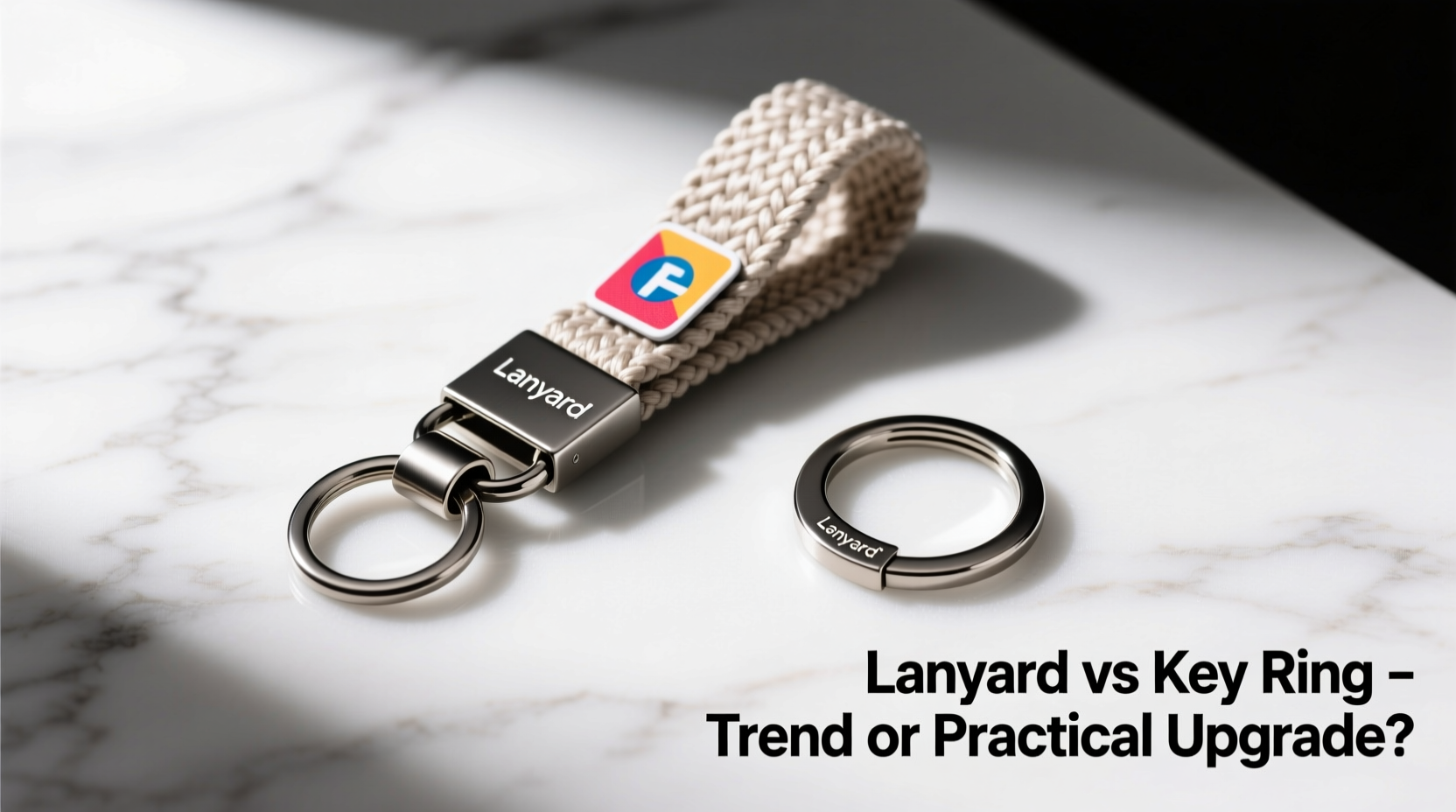
For decades, the standard method of carrying keys has been the circular metal key ring. Simple, durable, and universally compatible, it’s an unassuming tool that works—but not always efficiently. Over time, bulk accumulates, keys jingle loudly, and finding the right one in a dark pocket becomes a frustrating game of guesswork.
Lanyard keychains emerged as a solution to these inefficiencies. Originally used for ID badges and access cards in corporate and institutional settings, their utility quickly expanded. Today’s lanyards range from basic nylon straps to ergonomic, anti-slip designs with detachable clips and modular attachments. They’re now commonly seen at conferences, gyms, schools, and even on city streets.
The shift reflects a broader cultural move toward intentional design—products that don’t just function, but enhance usability, comfort, and even style.
Functional Comparison: Lanyard Keychain vs Key Ring
To determine whether lanyards are genuinely better, it helps to break down performance across several key areas.
| Feature | Lanyard Keychain | Traditional Key Ring |
|---|---|---|
| Accessibility | Keys hang freely; easy to see and select without fumbling. | Keys clump together; harder to identify individual ones quickly. |
| Noise Level | Silent operation; no jingling. | Makes noise when moving; can be disruptive in quiet environments. |
| Security | Worn around the neck or wrist; reduces risk of loss or theft. | Easily misplaced when set down; common cause of lost keys. |
| Portability | Hands-free option available; ideal for multitaskers. | Must be held or kept in a pocket/bag. |
| Durability | Varies by material; high-quality nylon or polyester lasts years. | Metal rings rarely break but can stretch or lose spring tension. |
| Style & Customization | Available in colors, patterns, and with branding options. | Limited aesthetic variation; mostly utilitarian. |
When Lanyards Excel
- High-mobility roles: Security guards, delivery personnel, and maintenance workers benefit from hands-free access.
- Public spaces: Teachers and hospital staff avoid setting keys down on potentially contaminated surfaces.
- Travel: Airports and hotels often require badge visibility; lanyards integrate keys with access credentials.
Real-World Use Case: The Office Manager’s Dilemma
Sarah, an office manager at a mid-sized tech firm, was responsible for managing over a dozen shared keys—from server rooms to supply closets. She initially used a single oversized key ring, which became unwieldy and noisy. During emergencies, locating the correct key delayed response times.
After switching to a color-coded lanyard system with labeled key holders, her efficiency improved dramatically. “I can glance down and see exactly which key I need,” she says. “And because it’s around my neck, I never leave it behind at a locked door.”
Beyond functionality, the change had a subtle psychological effect: colleagues began treating the keys with more respect, knowing they were visibly managed rather than casually tossed into a drawer.
“Carrying keys on a lanyard isn’t just about convenience—it’s about accountability and reducing cognitive load.” — Daniel Park, Industrial Ergonomics Consultant
Is It Just a Trend? Separating Hype from Long-Term Value
Lanyards gained visibility during the pandemic, when workplaces adopted badge-based entry systems and hygiene protocols discouraged placing personal items on desks. That context boosted adoption, but longevity depends on sustained utility—not novelty.
Unlike fleeting trends, lanyard keychains solve persistent problems:
- Reduced key loss: Studies suggest people misplace keys an average of 13 times per year. A wearable lanyard cuts this risk significantly.
- Improved ergonomics: Eliminates digging through pockets, which is especially beneficial for those with mobility or dexterity challenges.
- Integration with modern tools: Many lanyards now include loops for flash drives, multitools, or even small power banks.
Moreover, customization options—such as embroidered names, reflective strips, or antimicrobial coatings—add layers of practical value beyond aesthetics.
Step-by-Step: Transitioning from Key Ring to Lanyard
- Assess your key load: Determine how many keys you carry regularly. This affects lanyard strength and attachment needs.
- Choose the right lanyard type: Opt for adjustable length, soft material, and a secure clasp (e.g., carabiner or rotating swivel).
- Organize keys logically: Group by frequency of use or location. Consider using labeled key tags.
- Attach safely: Use a split ring or key fob that won’t easily detach from the lanyard loop.
- Test in real scenarios: Wear it during a full workday or commute to evaluate comfort and ease of access.
- Adjust as needed: Shorten the strap, add a secondary clip, or switch to a wrist lanyard if neck wear feels awkward.
Common Misconceptions About Lanyard Keychains
Despite growing adoption, several myths persist:
- Myth: Lanyards look unprofessional. Reality: Sleek, minimalist designs in neutral tones are widely accepted in corporate environments.
- Myth: They’re only for events or schools. Reality: Professionals from electricians to veterinarians use them for practical reasons.
- Myth: They’re less secure than pockets. Reality: A lanyard stays with you; a pocketed key ring can fall out or be left behind.
FAQ: Your Key Questions Answered
Can lanyard keychains damage clothing?
Prolonged contact with certain materials may cause minor friction marks, especially on delicate fabrics. To prevent this, wear the lanyard over outer layers or choose models with padded sections or smooth finishes.
Are lanyards safe for everyday public use?
Yes, but situational awareness matters. In crowded places like subways or concerts, consider retractable reels or wrist lanyards to reduce snag risks. Breakaway clasps also enhance safety.
Do lanyards work well with smart keys or fobs?
Absolutely. Many lanyards feature dedicated slots or shielded pockets for electronic keys, protecting them from signal interference and physical damage.
Checklist: Choosing the Right Lanyard Keychain
- ✅ Durable material (nylon, polyester, or ballistic weave)
- ✅ Secure attachment mechanism (carabiner, snap hook, or magnetic lock)
- ✅ Breakaway or quick-release clasp for safety
- ✅ Adjustable length for comfort
- ✅ Extra loops or pockets for accessories
- ✅ Reflective detailing for low-light visibility
- ✅ Easy-to-clean surface (especially important for high-touch environments)
Conclusion: Function Over Fashion
Lanyard keychains are more than a trend—they represent a thoughtful evolution in how we interact with everyday objects. While traditional key rings still serve a purpose, lanyards offer superior accessibility, reduced loss, and enhanced organization for many users. Whether you're a busy parent, a frontline worker, or simply someone tired of jingling keys and lost housemates, switching to a lanyard could be a small change with meaningful impact.




 浙公网安备
33010002000092号
浙公网安备
33010002000092号 浙B2-20120091-4
Comments
No comments yet. Why don't you start the discussion?